With more than 10‑year industry experience, Shandong Headpowder delivers full‑service pneumatic‑conveying systems and blowers, undertaking nationwide turn‑key powder‑handling projects.
HeadPowder, a leading provider in the field of material handling solutions, specializes in the design, manufacturing, and installation of pneumatic conveying systems tailored for handling materials like silica fume. This article provides an overview of the pneumatic conveying process, focusing on how such systems efficiently transport silica fume, a byproduct of cement production, from storage to processing units.
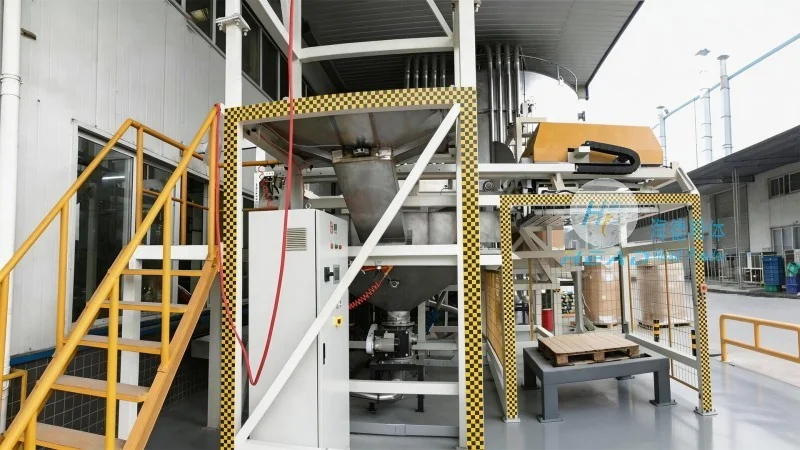
Pneumatic conveying systems utilize air or gas to transport bulk materials through a pipeline network. These systems are widely adopted in industries dealing with fine powders due to their ability to handle delicate materials without causing degradation or contamination. The core components of a typical pneumatic conveying system include a material feeder, a conveying line, a control valve, and a receiver. The material feeder, often a hopper or a rotary valve, feeds the silica fume into the system at a controlled rate. The conveying line, usually made of stainless steel or other corrosion-resistant materials, ensures the material is transported under pressure. The control valve regulates the air flow and pressure within the system, while the receiver collects the transported material at the destination.
The operation of a silica fume pneumatic conveying system involves several key steps. Initially, the silica fume is stored in a silo or hopper. The material feeder then discharges the fume into the conveying line at a predetermined flow rate. Simultaneously, a fan or blower generates a high-velocity air stream that propels the material particles through the pipeline. The air velocity must be sufficient to overcome the gravitational forces and frictional resistance within the system, ensuring the material remains suspended and transported efficiently. As the material travels through the pipeline, it may encounter bends, expansions, or other components that require adjustments in air flow to maintain optimal conveying conditions. The receiver at the end of the system collects the silica fume, and the air is typically filtered and recycled back into the system to minimize energy consumption and environmental impact.
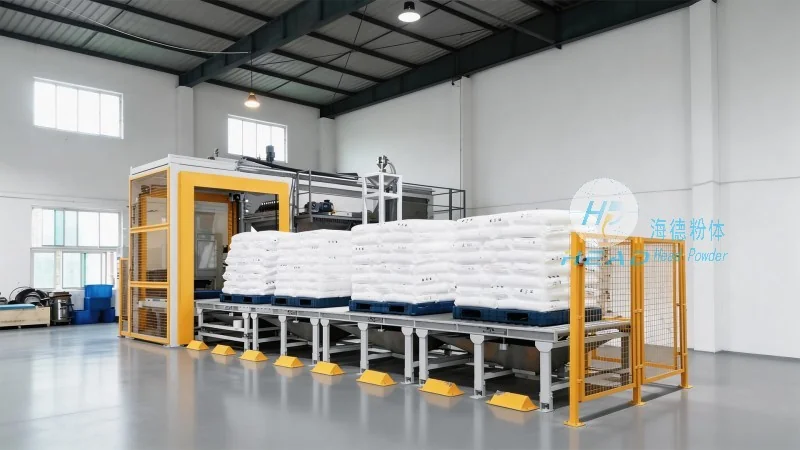
Implementing pneumatic conveying systems for silica fume offers several advantages over traditional methods such as bucket elevators or belt conveyors. Firstly, these systems provide a closed-loop operation, which prevents dust emissions and ensures environmental compliance. This is particularly important for silica fume, as it is a fine powder that can be hazardous if released into the atmosphere. Secondly, pneumatic conveying systems offer high flexibility in terms of layout and integration with existing facilities. They can be installed in various configurations, including horizontal, vertical, or a combination of both, to suit the specific requirements of a plant. Thirdly, these systems are capable of handling materials with varying particle sizes and moisture contents, making them suitable for diverse applications. Additionally, the use of stainless steel or other corrosion-resistant materials in the construction of the conveying line ensures durability and longevity, reducing maintenance costs over time.
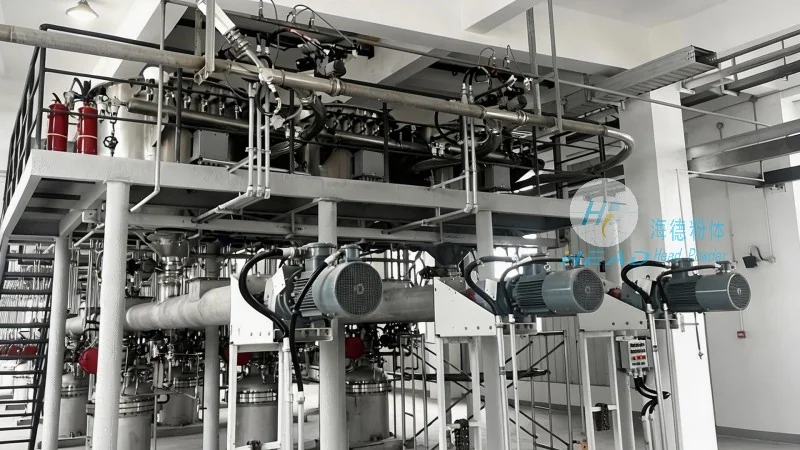
Silica fume, also known as microsilica, is a valuable additive used in concrete production to enhance its strength and durability. The efficient transport of silica fume from storage to concrete mixing plants is crucial for maintaining production efficiency and quality. Pneumatic conveying systems are widely used in the construction industry, particularly in large-scale concrete production facilities, to ensure a steady supply of silica fume. Other industries that benefit from silica fume pneumatic conveying include refractory manufacturing, where silica fume is used as a raw material, and chemical processing, where it serves as a filler or additive. The ability of pneumatic conveying systems to handle fine powders with precision makes them an ideal solution for these applications.
HeadPowder Engineering Co., Ltd., based in Shandong, China, specializes in providing customized pneumatic conveying solutions tailored to the specific needs of clients. The company’s expertise lies in designing systems that optimize material flow, minimize energy consumption, and ensure compliance with industry standards. HeadPowder’s engineers work closely with clients to assess their material handling requirements, including the type and quantity of silica fume, the distance of transport, and the desired system layout. Based on these assessments, the company designs and manufactures bespoke pneumatic conveying systems that incorporate the latest technologies and materials. The company’s commitment to quality and customer satisfaction is reflected in its rigorous testing and quality control processes, ensuring that each system meets the highest standards before delivery. HeadPowder’s solutions are designed to be scalable, allowing clients to expand their operations as their needs grow, without the need for significant system overhauls.

 Shandong Headpowder Engineering Co., Ltd.
 156-6277-7102(Manager Zhang)
  0531-83386006
  Zhangqiu District, Jinan City, Shandong Province, China
telephone
WeChatconsult
top