With more than 10‑year industry experience, Shandong Headpowder delivers full‑service pneumatic‑conveying systems and blowers, undertaking nationwide turn‑key powder‑handling projects.
Understanding the principles of pneumatic conveying for arsenic trioxide is crucial for industries that handle this hazardous material. As a specialized powder handling solution, the pneumatic conveying system offers a safe and efficient method to transport arsenic trioxide, a substance widely used in pharmaceuticals, chemicals, and other industrial applications. This article provides an in-depth look at the working principles of such a system, highlighting the technical aspects and practical applications.

Arsenic trioxide (As₂O₃), commonly known as arsenic acid or white arsenic, is a toxic compound with significant industrial applications. It is used in the production of pesticides, wood preservatives, and certain pharmaceuticals. Due to its hazardous nature, handling and transporting arsenic trioxide requires specialized equipment and systems to ensure safety and compliance with environmental regulations. Pneumatic conveying systems have emerged as a preferred method for moving this powder material, offering advantages over traditional mechanical conveying methods such as reduced risk of dust exposure and improved process control.
Pneumatic conveying systems utilize air or other gases to transport bulk materials like powders through a pipeline. The core principle involves creating a flow of air that carries the powder particles from the source to the destination. There are two main types of pneumatic conveying systems: positive pressure and negative pressure (or vacuum) systems. Each type operates on different pressure differentials and is suitable for various material characteristics and application requirements.
In a positive pressure system, air is supplied under pressure at the material feed point. The pressurized air creates a flow that pulls the powder particles into the pipeline. This method is effective for transporting materials over longer distances and can handle a wide range of particle sizes and densities. The system typically includes a blower or compressor to generate the necessary air pressure, a feeder to control the material flow, and a pipeline network that directs the material to the discharge point. For arsenic trioxide, a positive pressure system can be designed with enclosed components to minimize dust emissions and ensure operator safety.
Conversely, negative pressure systems operate by creating a vacuum at the discharge end of the pipeline. The vacuum draws air and the powder particles from the source into the system. This approach is often used for short-distance conveying or when the material needs to be transported from multiple points to a single collection point. The system includes a vacuum pump, a collection hopper, and a pipeline that connects the source to the discharge. For handling arsenic trioxide, a negative pressure system may incorporate filtration and dust collection equipment to prevent airborne contamination and protect the environment.
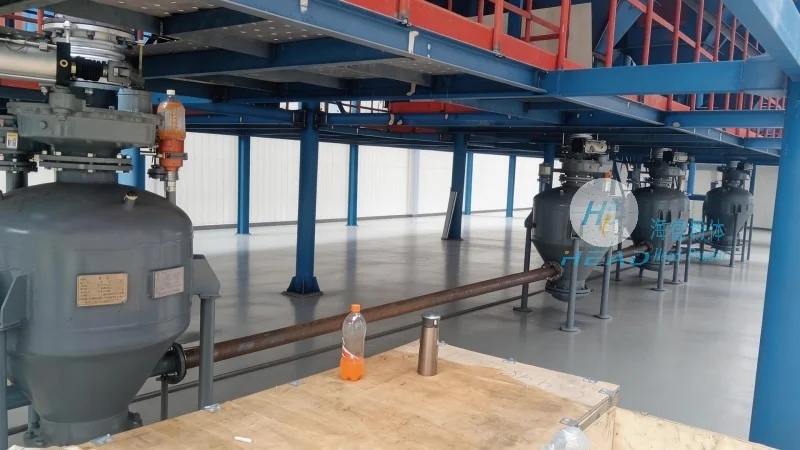
Regardless of the system type, a pneumatic conveying system for arsenic trioxide consists of several critical components that work in tandem to ensure efficient and safe operation. These components include:
1. Material Feeder: The feeder is responsible for controlling the flow rate of arsenic trioxide into the system. It can be a rotary valve, a screw feeder, or a vibrating feeder, depending on the material's properties and the required flow rate. For arsenic trioxide, a feeder that minimizes dust generation and ensures consistent material feed is essential to maintain system performance.
2. Air Supply Unit: This component provides the necessary air or gas to drive the conveying process. In positive pressure systems, a blower or compressor generates the required pressure, while in negative pressure systems, a vacuum pump creates the suction. The air supply unit must be capable of handling the specific air volume and pressure needed for the material being conveyed.
3. Conveying Pipeline: The pipeline is the main channel through which the air and powder travel. It is typically made of materials resistant to corrosion and chemical attack, such as stainless steel or PTFE-coated pipes, to prevent contamination and ensure durability. The pipeline design, including the diameter and length, is critical for maintaining the air velocity necessary to keep the powder particles suspended and prevent settling.
4. Separation and Collection Equipment: At the discharge end, the system must separate the powder from the air. This is typically achieved using a cyclone separator or a baghouse filter. The separator removes the bulk of the powder, while the filter captures any fine particles to prevent air pollution. For arsenic trioxide, the collection equipment must be designed to handle toxic materials and comply with environmental regulations, often including secondary containment and filtration systems.
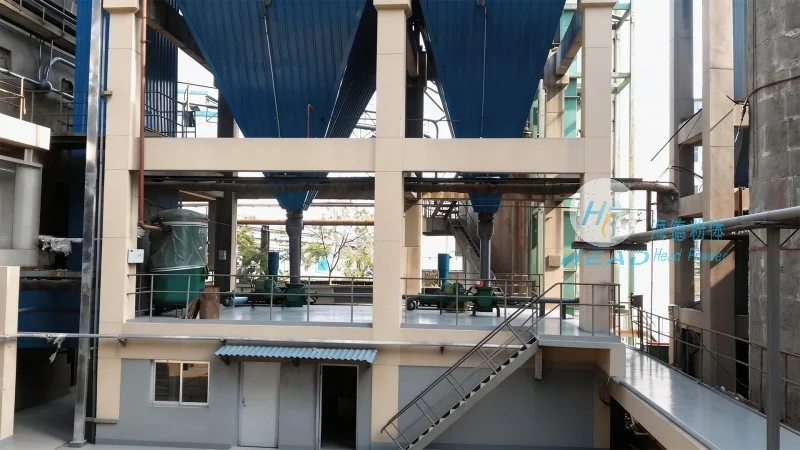
The application of pneumatic conveying systems for arsenic trioxide is tailored to meet the specific needs of industrial processes. In pharmaceutical manufacturing, for example, the system may be used to transport arsenic trioxide from storage silos to processing equipment, ensuring a clean and controlled environment. In chemical production, it can be integrated into larger production lines to move the material between reactors and storage tanks. The flexibility of pneumatic conveying allows for integration with existing facilities and adaptation to changing production requirements.
Shandong HeadPowder Engineering Co., Ltd., a leading provider of powder handling solutions, specializes in designing and implementing pneumatic conveying systems for hazardous materials like arsenic trioxide. With years of experience in the industry, HeadPowder has developed expertise in creating systems that prioritize safety, efficiency, and regulatory compliance. The company's approach involves thorough material analysis, system design optimization, and rigorous testing to ensure that the conveying system meets the specific requirements of each client.
HeadPowder's engineers work closely with clients to understand their operational needs, material characteristics, and safety standards. They design systems that incorporate advanced features such as dust suppression, air filtration, and emergency shutdown mechanisms to protect both personnel and the environment. The company's commitment to quality and safety is reflected in its adherence to international standards and its focus on long-term system performance.
Pneumatic conveying systems offer a reliable and efficient solution for transporting arsenic trioxide, a hazardous powder material. By understanding the working principles of these systems, including positive and negative pressure operations, and the key components involved, industries can implement safe and effective powder handling processes. With the expertise of companies like Shandong HeadPowder Engineering Co., Ltd., businesses can ensure that their arsenic trioxide handling operations are optimized for performance, safety, and compliance. The continued development and application of such systems will play a vital role in the safe management of this critical industrial material.

 Shandong Headpowder Engineering Co., Ltd.
 156-6277-7102(Manager Zhang)
  0531-83386006
  Zhangqiu District, Jinan City, Shandong Province, China
telephone
WeChatconsult
top