With more than 10‑year industry experience, Shandong Headpowder delivers full‑service pneumatic‑conveying systems and blowers, undertaking nationwide turn‑key powder‑handling projects.
For industrial applications requiring efficient material handling, synthetic fiber pneumatic conveying lines offer a reliable solution. This article explores the fundamental principles behind these systems and highlights the key characteristics that define their operational effectiveness across various industrial settings.
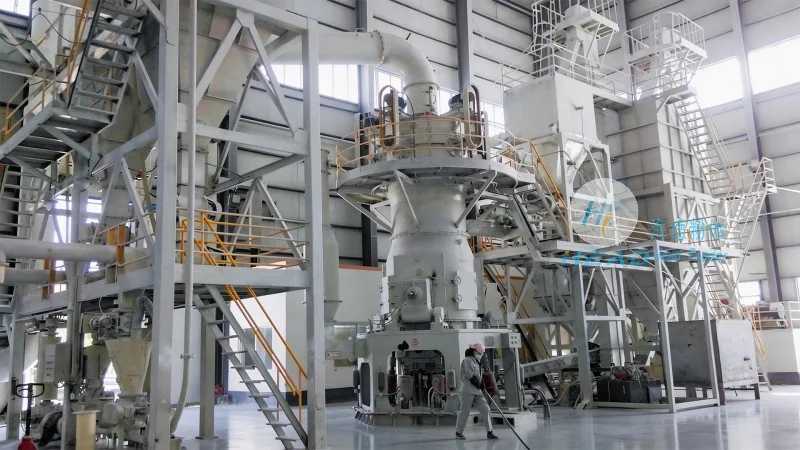
The operation of synthetic fiber pneumatic conveying systems is based on the principle of transporting bulk materials through a pipeline using a stream of air or other gas. Unlike traditional mechanical conveyors, which rely on physical contact and movement of components, pneumatic systems utilize air pressure to move materials. Synthetic fibers, such as polyester or nylon, are used as the conveying medium due to their high tensile strength, flexibility, and resistance to abrasion. These fibers are designed to withstand the dynamic forces and environmental conditions encountered during material transport, ensuring consistent performance and longevity.
One of the primary advantages of synthetic fiber pneumatic conveying lines is their adaptability to diverse industrial environments. The systems are particularly well-suited for applications involving fine powders, granules, or other particulate materials that are sensitive to contamination or degradation. For instance, in the pharmaceutical industry, where product purity is paramount, synthetic fiber systems provide a clean and hygienic conveying solution. Similarly, in the food processing sector, these lines can handle sensitive ingredients without compromising quality or safety.
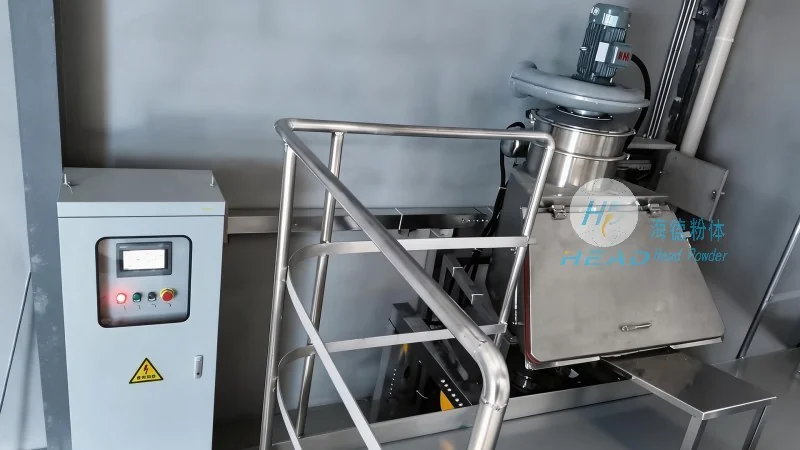
Another significant characteristic is the flexibility in system design. Synthetic fiber pneumatic conveying lines can be configured in various configurations, including dilute phase and dense phase systems, to accommodate different material properties and transport requirements. This adaptability allows for efficient handling of materials with varying particle sizes, densities, and flow characteristics. The systems also offer the ability to integrate with existing infrastructure, making them a cost-effective upgrade for many industrial facilities.
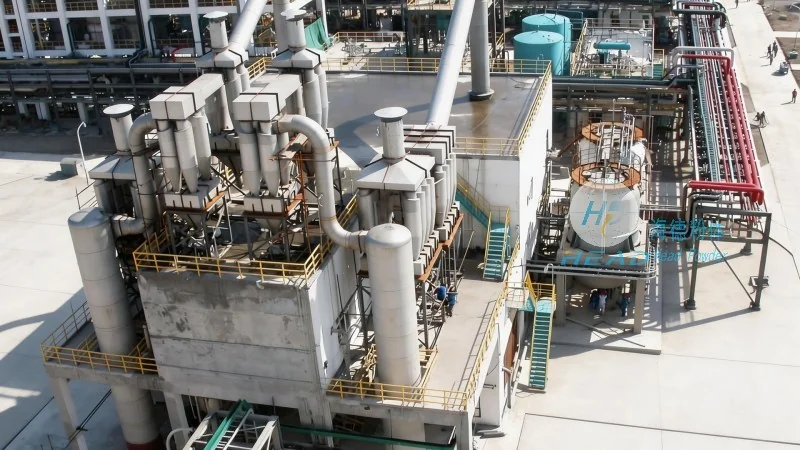
Efficiency is a critical factor in the design and operation of synthetic fiber pneumatic conveying lines. These systems are engineered to minimize energy consumption while maximizing material throughput. The use of synthetic fibers reduces friction and wear within the pipeline, leading to lower operational costs and extended equipment lifespan. Regular maintenance, including inspection of fiber condition and air filtration systems, is essential to ensure optimal performance. However, the robust nature of synthetic fibers means that maintenance requirements are generally lower compared to traditional metal or plastic systems, contributing to overall operational savings.
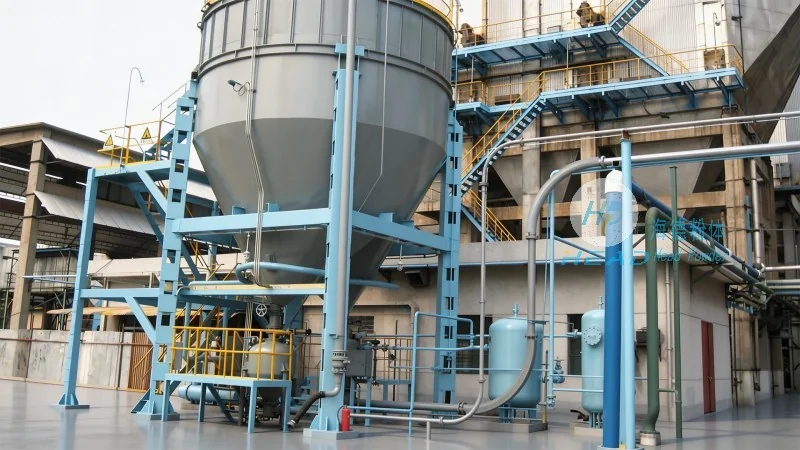
Shandong HeadPowder Engineering Co., Ltd., a leading manufacturer based in Shandong, China, specializes in the design and installation of synthetic fiber pneumatic conveying systems. Their expertise in material handling solutions has enabled them to serve a wide range of industries, including chemicals, food processing, and pharmaceuticals. For example, in a chemical plant, synthetic fiber systems are used to transport fine powders such as calcium carbonate or titanium dioxide, ensuring safe and efficient material movement. In a food processing facility, these lines handle ingredients like flour or sugar, maintaining product integrity and compliance with industry standards.
Synthetic fiber pneumatic conveying lines represent a sophisticated and efficient solution for material handling in modern industrial applications. By leveraging the unique properties of synthetic fibers and the principles of pneumatic transport, these systems offer advantages in terms of flexibility, hygiene, and operational efficiency. As industries continue to demand higher standards of productivity and quality, the role of synthetic fiber pneumatic conveying systems is likely to grow, making them an essential component of industrial material handling strategies.

 Shandong Headpowder Engineering Co., Ltd.
 156-6277-7102(Manager Zhang)
  0531-83386006
  Zhangqiu District, Jinan City, Shandong Province, China
telephone
WeChatconsult
top