With more than 10‑year industry experience, Shandong Headpowder delivers full‑service pneumatic‑conveying systems and blowers, undertaking nationwide turn‑key powder‑handling projects.
For industries dealing with rare earth ore powders, efficient material handling is crucial. Pneumatic conveying systems offer a reliable solution for transporting these fine powders over distances, ensuring minimal loss and contamination. This article explores the fundamentals of pneumatic conveying, focusing on how systems like those provided by Shandong HeadPowder Engineering Co., Ltd. operate to handle rare earth ore powders effectively.
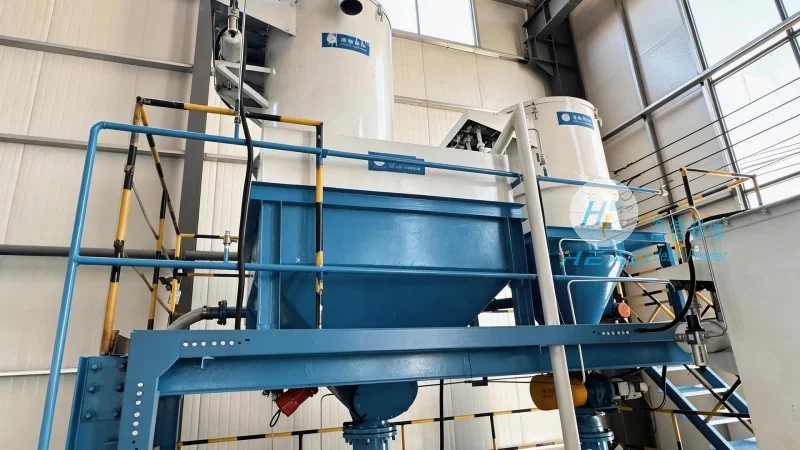
Pneumatic conveying, also known as powder handling by air, involves the transport of particulate materials using a gas stream, typically air. In the context of rare earth ore powders, these systems are designed to move materials from one location to another without the need for mechanical components like belts or buckets. The process relies on the pressure or vacuum created by the air flow to move the powder through pipes or ducts.
Shandong HeadPowder Engineering Co., Ltd. specializes in designing and manufacturing pneumatic conveying systems tailored for rare earth ore powders. A typical system includes several key components: a feeding device to introduce the powder into the system, a conveying line (either pressure or vacuum-based), a separation unit to remove air from the powder stream, and a discharge point for the material. The company’s systems are engineered to handle the unique properties of rare earth powders, such as their fine particle size and potential for static charge buildup.
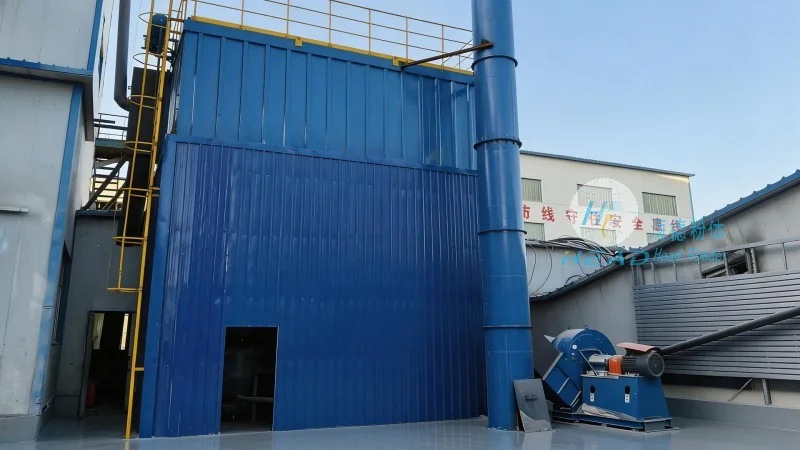
The core of the pneumatic conveying process involves creating a flow of air that carries the powder particles. In pressure systems, a blower or compressor generates high-pressure air that pushes the powder through the pipeline. The air and powder mixture then passes through a separator, where the air is separated from the powder, often using cyclones or filters. The separated powder is then collected in a hopper or storage tank. Vacuum systems, on the other hand, use a vacuum pump to draw the powder and air mixture into the pipeline, with the powder being discharged at the end of the line.
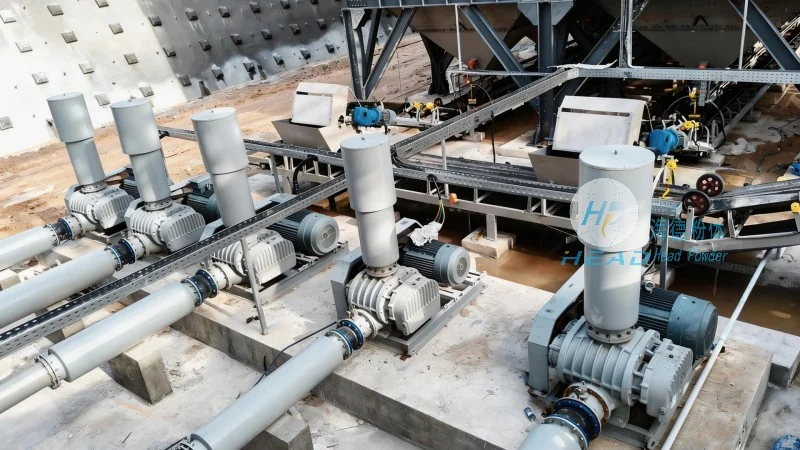
Using pneumatic conveying for rare earth ore powders offers several advantages over traditional methods. First, it minimizes material loss and contamination, as the powder is contained within the system throughout the transport process. Second, it reduces the risk of dust exposure and associated health hazards, as the material is not exposed to the environment. Third, the systems are flexible and can be adapted to various distances and layouts, making them suitable for different industrial settings. Shandong HeadPowder Engineering Co., Ltd. designs systems that maximize these benefits while ensuring compliance with industry standards.
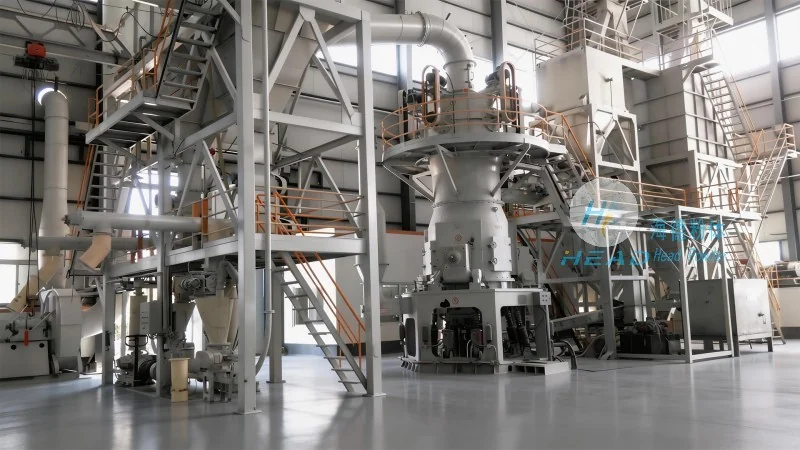
Rare earth ore powders are critical in various industries, including electronics, renewable energy, and manufacturing. Efficient transport of these powders is essential for maintaining production efficiency and quality. Pneumatic conveying systems from Shandong HeadPowder Engineering Co., Ltd. are widely used in rare earth processing plants to move raw materials from storage to processing equipment, and from processing units to packaging or further treatment. The systems help streamline operations, reduce downtime, and improve overall productivity.
Pneumatic conveying is a vital technology for handling rare earth ore powders, offering a safe, efficient, and reliable method of material transport. Shandong HeadPowder Engineering Co., Ltd., with its expertise in powder handling systems, provides tailored solutions that meet the specific needs of rare earth processing industries. By understanding the working principles and advantages of pneumatic conveying, businesses can enhance their material handling processes and achieve better operational outcomes.

 Shandong Headpowder Engineering Co., Ltd.
 156-6277-7102(Manager Zhang)
  0531-83386006
  Zhangqiu District, Jinan City, Shandong Province, China
telephone
WeChatconsult
top