With more than 10‑year industry experience, Shandong Headpowder delivers full‑service pneumatic‑conveying systems and blowers, undertaking nationwide turn‑key powder‑handling projects.
Cobalt hydroxide is a critical chemical compound widely used in various industrial applications, including battery manufacturing, catalyst production, and pigments. The efficient and safe transportation of this fine powder is essential for maintaining production efficiency and product quality. Pneumatic conveying systems have emerged as a preferred method for handling cobalt hydroxide due to their ability to transport powders over long distances without the need for mechanical components that could cause contamination or degradation. This article provides an in-depth look at cobalt hydroxide pneumatic conveying, explaining the fundamental principles behind this technology and how it ensures reliable powder transport.
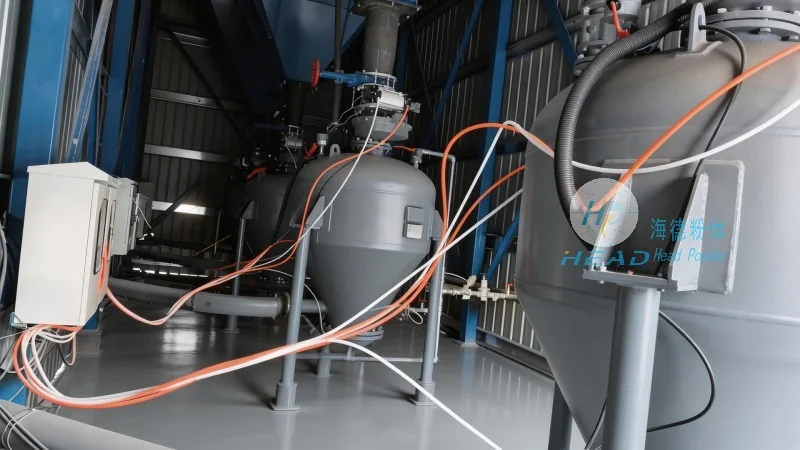
Pneumatic conveying, also known as powder pneumatic transport, is a process that uses compressed air or other gases to move bulk materials, such as powders, from one location to another. Unlike traditional mechanical conveying methods like belt conveyors or screw conveyors, pneumatic systems rely on the force of air to create a flow of material. This method is particularly advantageous for handling delicate or abrasive powders like cobalt hydroxide, as it minimizes particle breakage and prevents contamination from external sources.
The core of a cobalt hydroxide pneumatic conveying system involves several key components working in tandem. The system typically includes a hopper for material storage, a conveying line (usually made of stainless steel to prevent corrosion), a blower or compressor to generate the necessary air pressure, and a receiver or discharge point where the material is deposited. The process begins when the material is fed into the hopper. The blower then creates a low-pressure zone at the inlet of the conveying line, which draws the powder into the line along with the air stream. As the material travels through the line, it is suspended and transported to the discharge point. The air then releases the material into the receiver, and the cycle repeats.
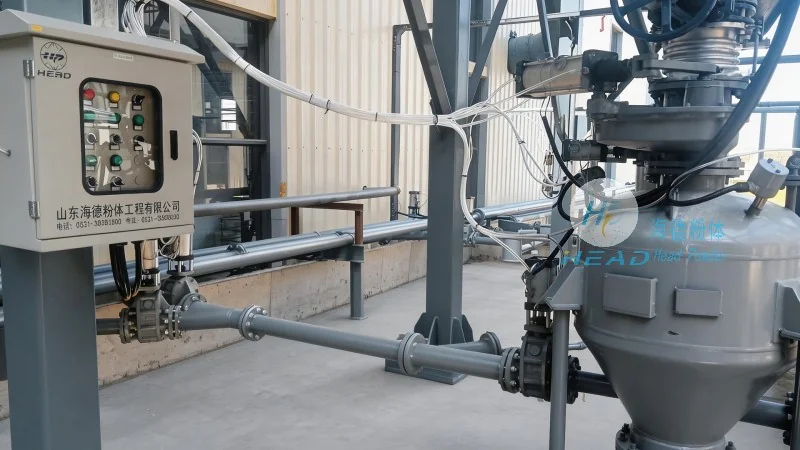
Several components are integral to the efficient operation of a cobalt hydroxide pneumatic conveying system. The hopper serves as the initial storage and feeding unit, ensuring a consistent flow of material into the system. The conveying line, often made of stainless steel or other corrosion-resistant materials, is designed to withstand the abrasive nature of cobalt hydroxide and prevent material buildup or blockages. The blower or compressor is the power source, generating the air pressure required to move the powder. It is typically selected based on the material's characteristics, such as particle size, density, and moisture content, to ensure optimal performance. The receiver or discharge point is where the material is collected, and it may include features like filters to prevent dust emissions and check valves to maintain system pressure.
Implementing a pneumatic conveying system for cobalt hydroxide offers numerous benefits that enhance operational efficiency and product integrity. One of the primary advantages is the ability to transport materials over long distances without the need for intermediate transfer points, which reduces downtime and labor costs. Pneumatic systems also provide better control over the material flow, allowing for precise dosing and preventing overloading of equipment. Additionally, these systems are highly flexible, as they can be easily reconfigured to accommodate changes in production volume or material types. From a safety perspective, pneumatic conveying minimizes the risk of dust explosions compared to other methods, as the material is contained within the system and the air is filtered to remove particulates. This makes it an ideal solution for handling potentially hazardous powders like cobalt hydroxide.
Cobalt hydroxide pneumatic conveying systems are widely used in various industrial sectors where the compound is processed or used as an intermediate. In battery manufacturing, for example, these systems are crucial for transporting cobalt hydroxide to the mixing and coating stages. The fine powder is mixed with other components, and the pneumatic system ensures a uniform blend, which is critical for the performance of the final battery product. In the pigment industry, the system is used to transport cobalt hydroxide to grinding and mixing equipment, where it is converted into pigments for use in paints, inks, and coatings. The consistent and reliable transport provided by the pneumatic system ensures that the pigment quality remains high, meeting industry standards and customer expectations.
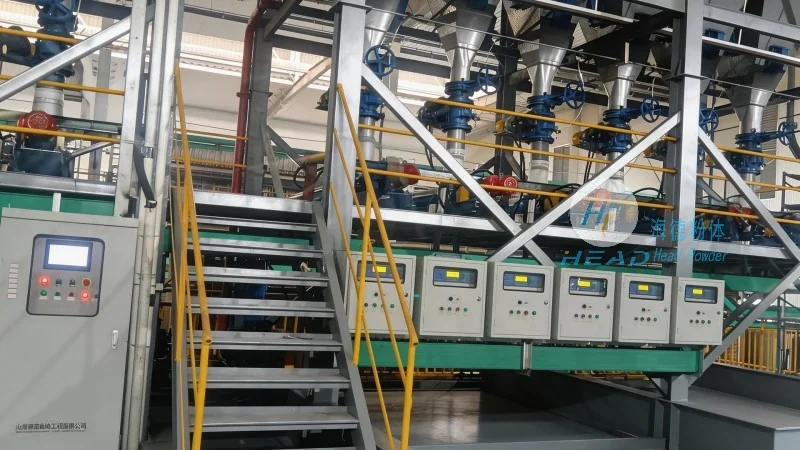
To ensure the longevity and efficiency of a cobalt hydroxide pneumatic conveying system, regular maintenance is essential. The components, particularly the conveying line and blower, should be inspected regularly for signs of wear or corrosion. Filters should be cleaned or replaced as needed to maintain air quality and prevent clogging. The hopper and feeding mechanisms should also be checked to ensure they are functioning correctly and preventing material bridging or agglomeration. Proper maintenance not only extends the lifespan of the equipment but also minimizes downtime and ensures consistent performance. Additionally, operators should be trained on the proper operation of the system, including how to adjust air pressure and flow rates to accommodate different material characteristics. This training helps prevent operational errors that could lead to system failures or material loss.
Cobalt hydroxide pneumatic conveying is a sophisticated and effective method for transporting fine powders in industrial settings. By leveraging the power of compressed air, these systems provide a reliable, safe, and efficient means of moving materials like cobalt hydroxide over long distances. The working principles behind pneumatic conveying, combined with the appropriate selection of components and regular maintenance, ensure that the system operates at peak performance. For industries relying on cobalt hydroxide, investing in a well-designed pneumatic conveying system is a strategic decision that enhances productivity, product quality, and operational safety. As the demand for cobalt hydroxide continues to grow, the importance of efficient powder handling systems will only increase, making pneumatic conveying an indispensable technology in the modern industrial landscape.

 Shandong Headpowder Engineering Co., Ltd.
 156-6277-7102(Manager Zhang)
  0531-83386006
  Zhangqiu District, Jinan City, Shandong Province, China
telephone
WeChatconsult
top