With more than 10‑year industry experience, Shandong Headpowder delivers full‑service pneumatic‑conveying systems and blowers, undertaking nationwide turn‑key powder‑handling projects.
Bauxite, a key raw material in the production of aluminum, is often transported using specialized systems designed to handle its unique properties. Pneumatic conveying, a technology that uses air or gas to move powders and bulk materials, has become a preferred method for bauxite transportation due to its efficiency and adaptability. This article explores the fundamental aspects of bauxite pneumatic conveying, detailing the working principles of powder handling systems and how they ensure reliable material transport.
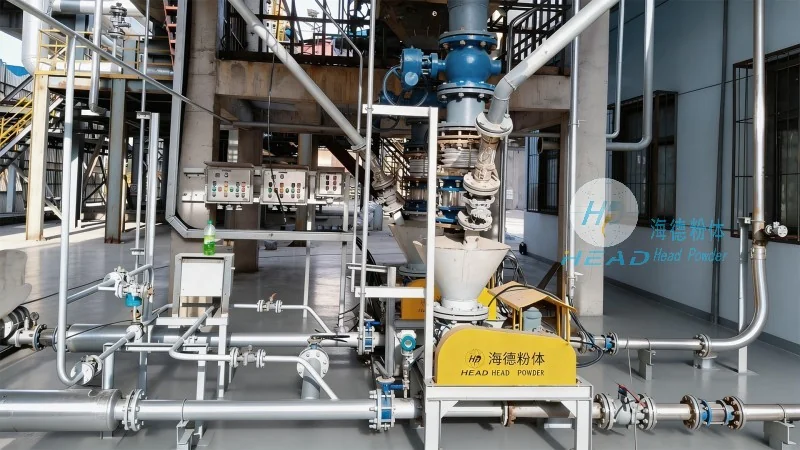
At the heart of advanced bauxite and powder handling technologies is Shandong HeadPowder Engineering Co., Ltd., commonly known as HeadPowder. With a strong presence in China, particularly in Shandong, the company specializes in designing, manufacturing, and implementing efficient pneumatic conveying systems. HeadPowder's expertise lies in tailoring solutions that meet the specific demands of bauxite processing, ensuring optimal performance and durability in challenging industrial environments.
Pneumatic conveying systems operate on the principle of using compressed air or gas to create a flow that transports powders through a pipeline. There are two main types of pneumatic conveying: dilute-phase and dense-phase. Dilute-phase systems use higher air velocities to move particles in a dispersed state, suitable for shorter distances and less abrasive materials. Dense-phase systems, on the other hand, use lower air velocities and higher material concentrations, ideal for longer distances and more sensitive or abrasive powders like bauxite. The system typically includes components such as a material feeder, a conveying line, a receiver, and a control unit. The feeder introduces the bauxite into the system, while the compressed air propels it through the pipeline to the destination. The receiver collects the material, and the control unit manages the entire process, ensuring consistent and safe operation.
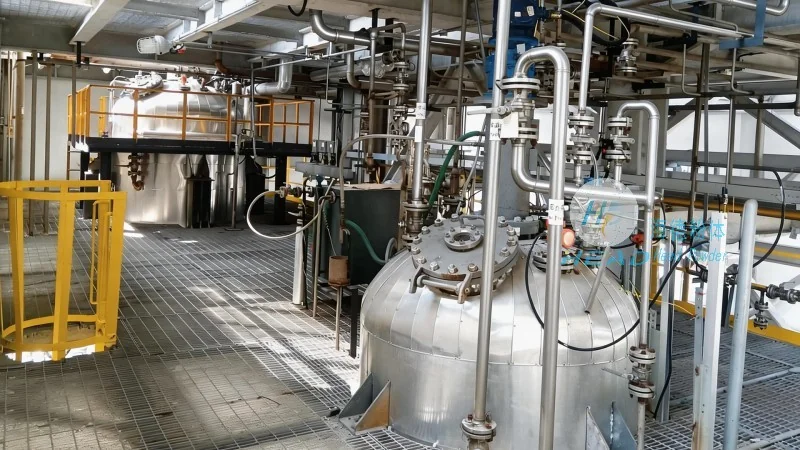
Each component of a pneumatic conveying system plays a critical role in the efficient transport of bauxite. The material feeder, often a rotary valve or a screw feeder, ensures a steady and controlled flow of bauxite into the system, preventing blockages and maintaining consistent pressure. The conveying line, usually made of stainless steel or other corrosion-resistant materials, is designed to withstand the abrasive nature of bauxite and the pressure of the conveying air. The receiver, equipped with a dust collection system, collects the material and may include features like a silo or a storage tank for further processing. The control unit, which can be automated or manually operated, monitors parameters such as pressure, flow rate, and temperature, allowing for real-time adjustments to optimize performance and prevent system failures.
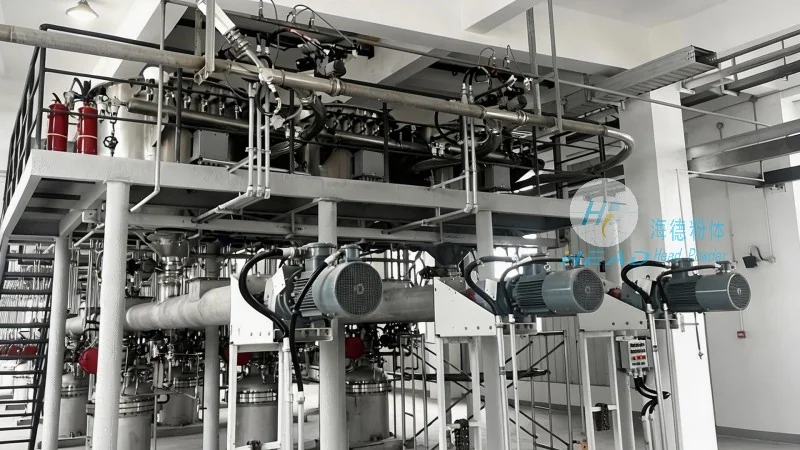
Compared to traditional methods like belt conveyors or bucket elevators, pneumatic conveying offers several advantages for bauxite transport. These include reduced material degradation due to minimal contact with equipment, lower maintenance costs as there are fewer moving parts, and the ability to transport materials over longer distances without the need for multiple transfer points. Additionally, pneumatic systems can handle a wide range of bauxite particle sizes and moisture contents, making them versatile for various industrial applications. The enclosed nature of the system also helps in controlling dust and preventing environmental contamination, which is crucial for bauxite processing facilities.
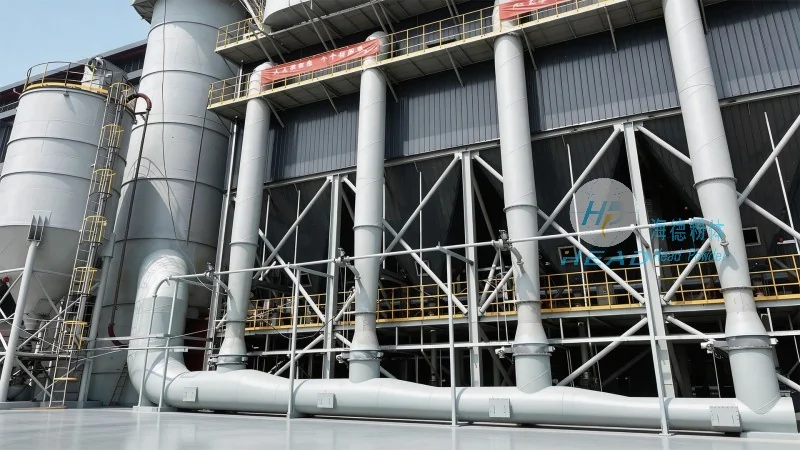
Bauxite pneumatic conveying systems are widely used in the aluminum industry, where bauxite is the primary raw material for aluminum production. The systems are also applicable in other industries that process bulk powders, such as mining, chemical manufacturing, and food processing. In mining operations, pneumatic conveying is used to transport bauxite from mines to processing plants, while in chemical plants, it helps in moving bauxite for refining processes. The flexibility and efficiency of these systems make them indispensable in modern industrial operations, ensuring smooth and continuous material flow.
As the demand for efficient and reliable bauxite transport solutions grows, companies like Shandong HeadPowder Engineering Co., Ltd. continue to play a vital role in developing and implementing advanced pneumatic conveying systems. By leveraging their expertise and innovative designs, HeadPowder ensures that bauxite is transported safely and efficiently, supporting the aluminum industry and other sectors that rely on bulk powder handling. The principles of pneumatic conveying, combined with the specialized solutions offered by HeadPowder, provide a robust foundation for the future of bauxite and powder handling technologies.

 Shandong Headpowder Engineering Co., Ltd.
 156-6277-7102(Manager Zhang)
  0531-83386006
  Zhangqiu District, Jinan City, Shandong Province, China
telephone
WeChatconsult
top