With more than 10‑year industry experience, Shandong Headpowder delivers full‑service pneumatic‑conveying systems and blowers, undertaking nationwide turn‑key powder‑handling projects.
When it comes to efficiently transporting silage materials, pneumatic conveying systems offer a reliable and effective solution. These systems are integral to modern agricultural and industrial processes, enabling the smooth movement of bulk materials like silage from one location to another. The core of such systems lies in the principles of air-based transport, which utilize pressure differentials and air flow to move material through pipelines. This article delves into the fundamental workings of silage material pneumatic conveying, providing a comprehensive overview of how these systems operate.
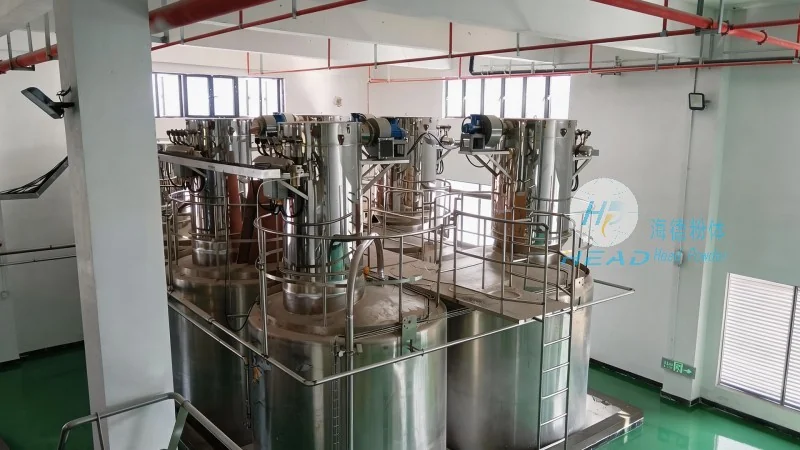
HeadPowder, or Shandong HeadPowder Engineering Co., Ltd., is a leading provider of advanced powder handling solutions. With a strong presence in China, particularly in Shandong, the company specializes in designing, manufacturing, and implementing efficient pneumatic conveying systems tailored to the needs of various industries, including agriculture and food processing. Our expertise in silage material handling ensures that we deliver systems that are both effective and durable, meeting the demands of modern agricultural operations.
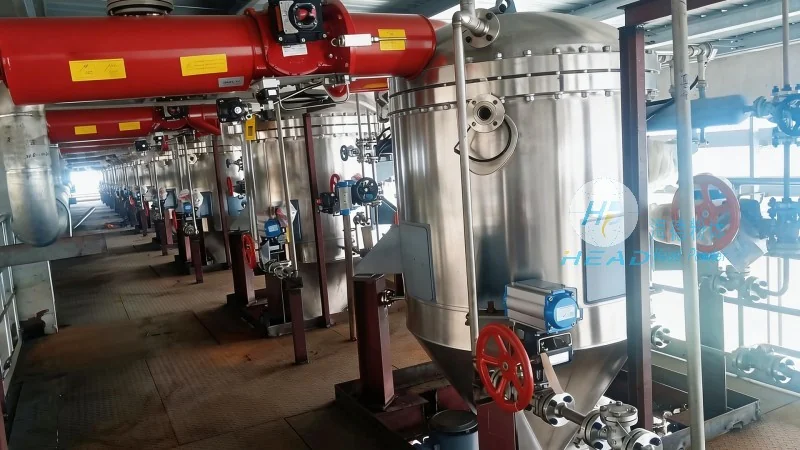
Pneumatic conveying systems operate on the principle of using air to transport bulk materials. There are two primary types of pneumatic conveying: pressure and vacuum systems. Pressure systems use compressed air to push material through the pipeline, while vacuum systems use a vacuum to draw material into the system. For silage materials, which are often in a moist or semi-moist state, the choice of system depends on the specific characteristics of the material and the application requirements. The system typically consists of a hopper to store the material, a conveyor line (pipeline), and a receiver to collect the material at the destination. The air flow is controlled by a blower or compressor, which creates the necessary pressure or vacuum to move the material. The material is then carried along with the air stream, often in a dilute phase (where particles are dispersed in the air) or a dense phase (where particles are more concentrated). The dilute phase is generally more efficient for longer distances, while the dense phase is better for shorter distances or when handling more abrasive materials.
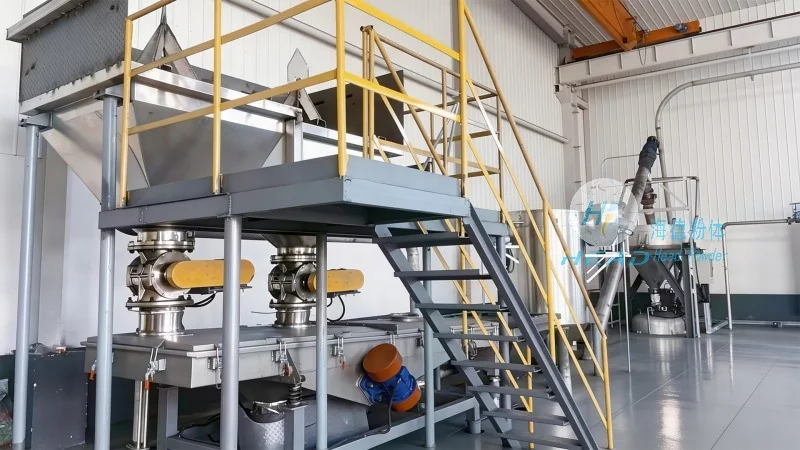
Several key components work together to ensure the efficient operation of a silage material pneumatic conveying system. The first component is the hopper or feeder, which stores and feeds the silage material into the system. The hopper is designed to handle the specific characteristics of the material, such as moisture content and particle size. The second component is the conveyor line, which is typically made of stainless steel or other corrosion-resistant materials to withstand the effects of the material and the air. The pipeline is equipped with bends, elbows, and other fittings to direct the material along the desired path. The third component is the blower or compressor, which provides the necessary air pressure or vacuum. The fourth component is the receiver or silo, which collects the material at the destination. The system may also include filters and cyclones to separate the material from the air and prevent clogging. Additionally, control systems are used to monitor and regulate the flow of material and air, ensuring optimal performance.
There are several advantages to using pneumatic conveying systems for silage materials. One of the main advantages is the ability to transport material over long distances without the need for multiple transfer points. This reduces the risk of material degradation and contamination. Another advantage is the speed and efficiency of the system, which can significantly improve the overall productivity of agricultural operations. Pneumatic conveying also minimizes the risk of dust and airborne particles, which is important for maintaining a safe and healthy working environment. Additionally, the systems are relatively compact and can be easily integrated into existing facilities. The use of stainless steel components ensures durability and resistance to corrosion, making the systems suitable for long-term use. Overall, pneumatic conveying systems offer a reliable and efficient solution for handling silage materials, providing benefits that enhance both productivity and safety.
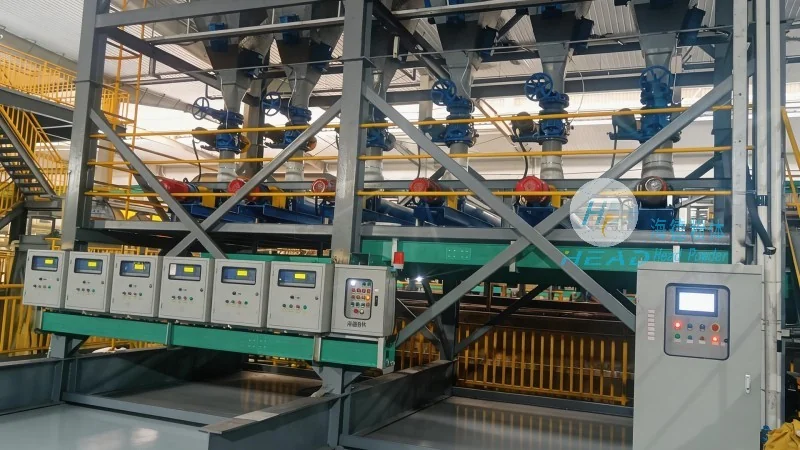
Silage material pneumatic conveying is a critical component of modern agricultural and industrial processes. By understanding the working principles and key components of these systems, operators can make informed decisions about the most effective and efficient methods for transporting their materials. HeadPowder Engineering Co., Ltd. offers comprehensive solutions tailored to the specific needs of clients, ensuring that they receive systems that are both effective and durable. With our expertise in powder handling, we are committed to providing the best possible solutions for our customers, helping them to improve their operations and achieve their goals.

 Shandong Headpowder Engineering Co., Ltd.
 156-6277-7102(Manager Zhang)
  0531-83386006
  Zhangqiu District, Jinan City, Shandong Province, China
telephone
WeChatconsult
top