

What is Fine Sand Pneumatic Conveying? An Introduction to the Working Principle of Powder Handling S
Understanding fine sand pneumatic conveying is crucial for industries dealing with powders and granular materials. This article delves into the fundamental principles of this technology, exploring how it operates and its applications in various sectors.
What is Fine Sand Pneumatic Conveying?
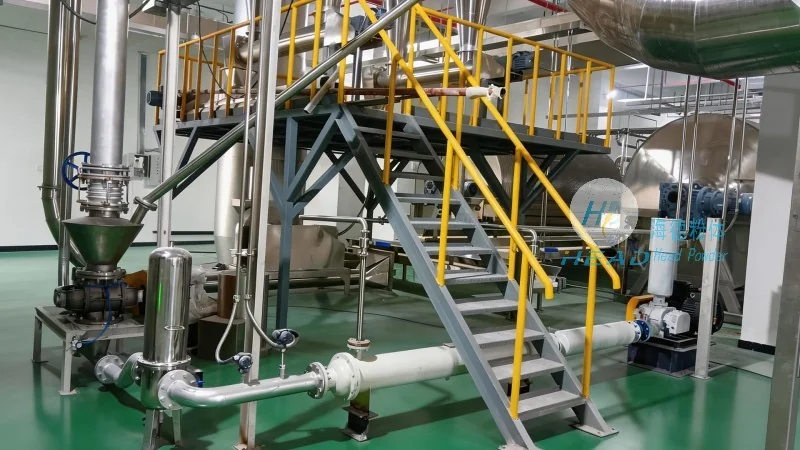
Fine sand pneumatic conveying is a method of transporting fine particulate materials, such as sand, powders, and granules, using compressed air or other gases. Unlike traditional mechanical systems like conveyors or elevators, this process relies on the force of air to move materials through a pipeline. The technology is widely used in industries like construction, mining, and chemical processing due to its efficiency and ability to handle delicate or abrasive materials without damage.
The Working Principle of Pneumatic Conveying Systems
The core of a pneumatic conveying system involves several key components working in tandem. At its simplest, the system consists of a source of material, a conveying line, and a receiver where the material is deposited. The process begins when the material is introduced into the system, often via a hopper or feeder. Compressed air is then introduced into the line, creating a flow that propels the material forward. The air velocity and pressure are carefully controlled to ensure the material is transported efficiently without clogging or degradation.
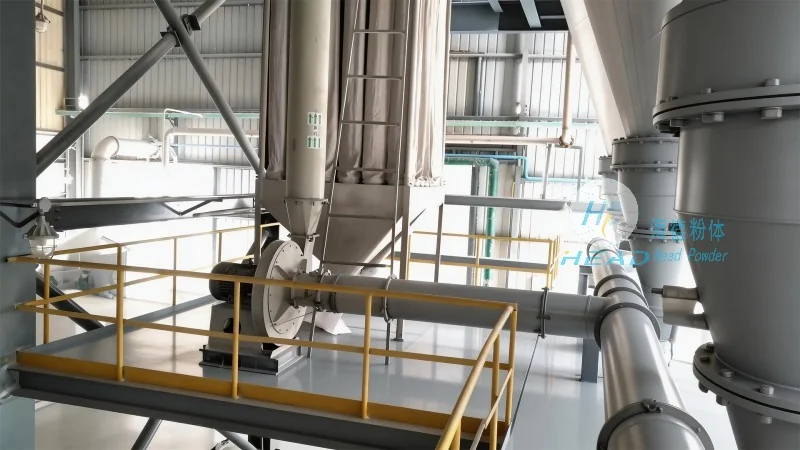
There are two primary types of pneumatic conveying systems: dilute-phase and dense-phase. Dilute-phase systems operate at higher air velocities, allowing the material to be suspended in the air stream, similar to a cloud of particles. This method is suitable for long-distance or high-speed transport of fine materials. Dense-phase systems, on the other hand, use lower air velocities and higher pressure, causing the material to form a slurry-like flow within the pipeline. This approach is ideal for transporting sensitive or abrasive materials that require minimal agitation.
Key Components of a Pneumatic Conveying System
Several critical components are essential for the proper operation of a fine sand pneumatic conveying system. These include the material feeder, which controls the flow rate of the sand or powder into the system; the air compressor, which provides the necessary pressure and volume of air; the conveying line, typically made of metal or plastic, which transports the material; and the receiver, where the material is collected after transport. Additionally, filters and cyclones are often used to separate the material from the air stream, ensuring clean air is returned to the compressor and preventing material buildup in the system.
Applications and Benefits of Fine Sand Pneumatic Conveying
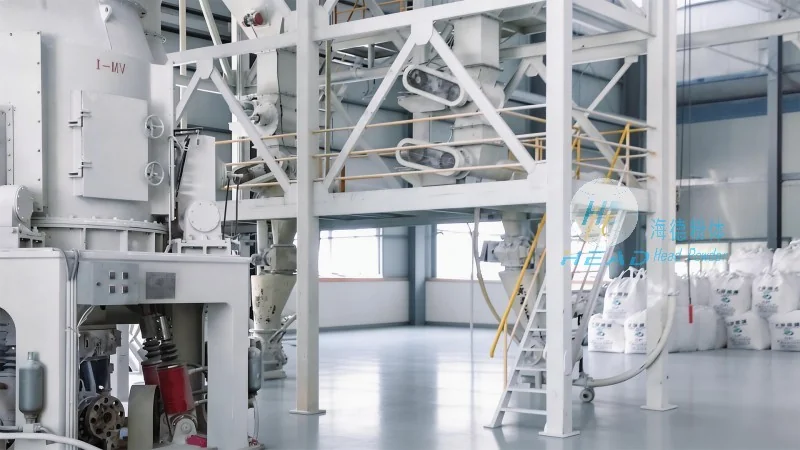
Fine sand pneumatic conveying is employed in a variety of applications across different industries. In the construction industry, it is used to transport sand and cement for concrete production. In mining operations, it helps move fine ore particles from processing plants to storage facilities. The chemical industry utilizes this technology for transporting powders and granules in pharmaceutical and food processing applications. The benefits of this system include reduced labor costs, minimized material handling time, and improved safety by eliminating the need for manual handling of powders. Furthermore, pneumatic conveying systems can be designed to handle materials that are difficult to transport using traditional methods, such as abrasive or corrosive substances.
About Shandong HeadPowder Engineering Co., Ltd.
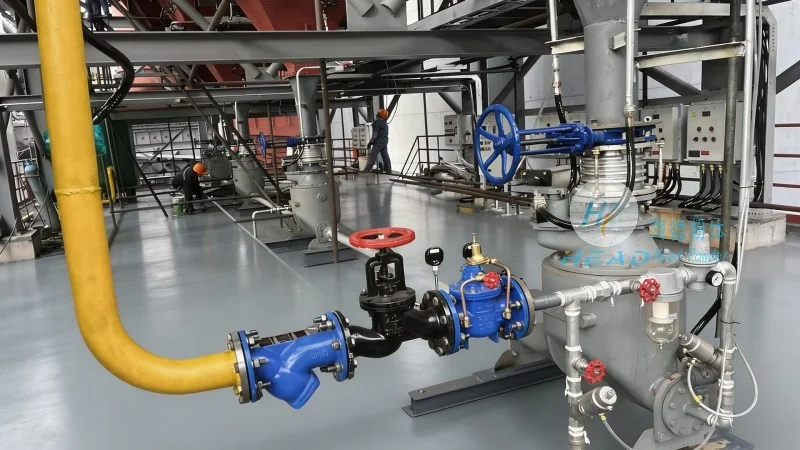
Shandong HeadPowder Engineering Co., Ltd., operating under the brand name HeadPowder, is a leading provider of advanced powder handling solutions. With a focus on innovation and quality, the company specializes in designing and manufacturing pneumatic conveying systems tailored to the specific needs of its clients. HeadPowder's expertise lies in understanding the unique challenges of transporting fine materials and developing customized solutions that enhance efficiency and reliability. The company's products are engineered to meet the highest standards of performance and durability, ensuring long-term operation in demanding industrial environments. HeadPowder serves a diverse range of industries, including construction, mining, chemical processing, and food production, providing comprehensive support from system design to installation and maintenance.
Conclusion
Fine sand pneumatic conveying represents a sophisticated and efficient method for transporting fine particulate materials. By understanding the working principles and key components of these systems, industries can optimize their material handling processes, reduce costs, and improve overall productivity. As a trusted provider in the field, Shandong HeadPowder Engineering Co., Ltd. continues to advance the technology, offering innovative solutions that meet the evolving needs of modern industries.