With more than 10‑year industry experience, Shandong Headpowder delivers full‑service pneumatic‑conveying systems and blowers, undertaking nationwide turn‑key powder‑handling projects.
Wool processing facilities rely on efficient material handling solutions to manage the flow of raw wool from storage to processing stages. Air-pneumatic conveying systems offer a versatile and effective method for transporting wool, ensuring minimal damage to the fibers while maintaining operational efficiency. These systems are designed to handle the unique characteristics of wool, such as its soft texture and varying moisture content, making them an essential component in modern wool processing operations.
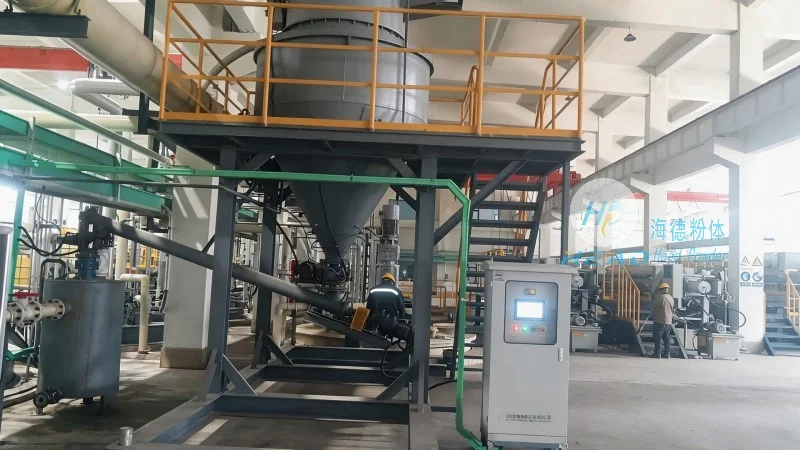
The core components of an air-pneumatic conveying system for wool typically include a hopper for material storage, a feeder to control the flow of wool into the system, a conveyor line (either positive or negative pressure), and a collection bin or processing unit. Each component plays a critical role in ensuring the smooth and consistent transport of wool. The hopper is designed to accommodate large volumes of raw wool, providing a stable feed source. The feeder, often a rotary valve or screw feeder, regulates the amount of wool entering the conveyor, preventing overloading and maintaining consistent airflow. The conveyor line, which can operate under positive or negative pressure, moves the wool through the system using air pressure to push or pull the material. Finally, the collection bin or processing unit receives the wool, allowing it to be directed to the next stage of processing, such as cleaning or carding.
There are several main air-pneumatic conveying structures commonly used in wool processing, each with specific applications and advantages. The most common types include the positive pressure system, negative pressure system, and hybrid system. The positive pressure system uses compressed air to push the wool through the conveyor line, making it suitable for long-distance transport and handling abrasive materials. This system is particularly effective for moving wool from storage to processing areas that are elevated or located at a distance from the source. The negative pressure system, on the other hand, uses a vacuum to pull the wool into the conveyor line, which is ideal for short-distance transport and applications where the wool needs to be collected from multiple points. This system is often used in smaller processing facilities or for handling wool that is already in a relatively clean state. The hybrid system combines elements of both positive and negative pressure, offering flexibility in handling different types of wool and varying operational conditions. This system can switch between pushing and pulling modes depending on the needs of the processing line, providing enhanced efficiency and adaptability.
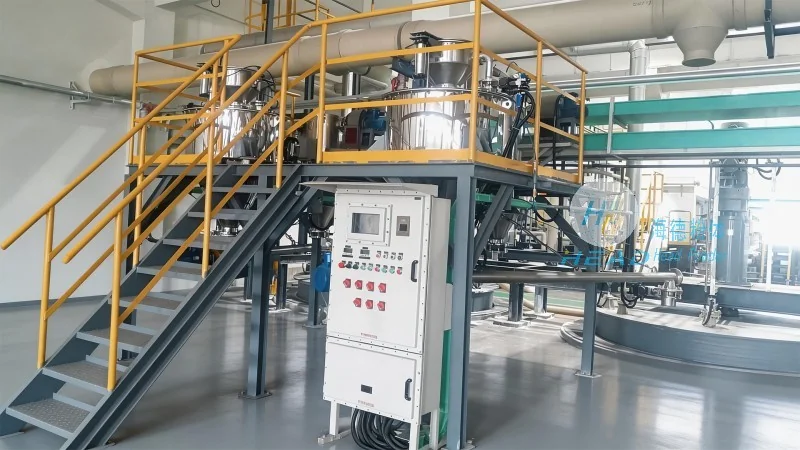
Implementing air-pneumatic conveying structures in wool processing offers numerous benefits that contribute to improved operational performance and product quality. One of the primary advantages is the ability to minimize physical damage to the wool fibers. Unlike mechanical conveyors, which can cause friction and breakage, air-pneumatic systems use air to move the wool, reducing the risk of fiber loss and maintaining the integrity of the material. This is particularly important for high-quality wool, where fiber strength and uniformity are critical. Additionally, these systems are highly efficient in terms of energy consumption and space utilization. By using compressed air, the system can transport large volumes of wool with minimal energy input, making it a cost-effective solution for processing facilities. The compact design of air-pneumatic conveyors also allows for easier integration into existing processing lines, reducing the need for extensive modifications to the facility layout. Furthermore, air-pneumatic systems are easy to clean and maintain, as they have fewer moving parts compared to mechanical conveyors. This reduces downtime and maintenance costs, ensuring consistent operation over time.
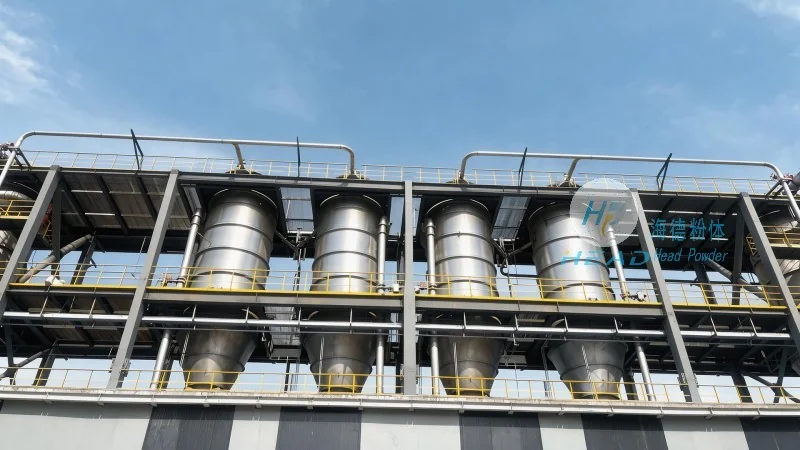
Wool processing facilities often require customized air-pneumatic conveying structures to meet their specific operational needs. The design of the system can be tailored to accommodate different wool types, such as fine or coarse wool, and varying moisture levels. For example, a facility processing fine merino wool may require a system with smaller diameter pipes and gentler airflow to prevent fiber damage. Conversely, a facility processing coarse wool may use larger diameter pipes and higher air pressure to handle the heavier material. Integration with other processing equipment, such as cleaning machines or carding machines, is also crucial. The conveying system must be designed to connect seamlessly with these units, ensuring a smooth flow of wool from one stage to the next. This integration can be achieved through the use of specialized connectors and control systems that coordinate the operation of the conveyor with the processing equipment. Customization also extends to the control systems, which can be programmed to adjust the airflow and speed based on real-time conditions, such as the amount of wool in the hopper or the processing requirements of the next stage.
Overall, air-pneumatic conveying structures are a vital component in modern wool processing, providing efficient and gentle handling of raw wool. The various types of systems available, including positive pressure, negative pressure, and hybrid designs, offer flexibility to meet the diverse needs of wool processing facilities. By minimizing fiber damage, improving energy efficiency, and reducing maintenance requirements, these systems contribute to higher product quality and operational productivity. For companies seeking reliable and effective wool handling solutions, Shandong HeadPowder Engineering Co., Ltd. offers specialized air-pneumatic conveying structures designed to meet the unique requirements of wool processing. With a focus on quality and customization, HeadPowder provides tailored solutions that enhance the efficiency and performance of wool processing operations. Located in Shandong, China, HeadPowder has extensive experience in designing and manufacturing air-pneumatic systems for various industries, including wool processing. Their expertise ensures that clients receive systems that are optimized for their specific needs, contributing to improved operational outcomes and long-term success in the wool processing industry.

 Shandong Headpowder Engineering Co., Ltd.
 156-6277-7102(Manager Zhang)
  0531-83386006
  Zhangqiu District, Jinan City, Shandong Province, China
telephone
WeChatconsult
top