

Main Structures of Sugar Pneumatic Conveying Systems
HeadPowder, a leading engineering firm based in Shandong, China, specializes in the design and implementation of advanced bulk material handling solutions, including sophisticated sugar pneumatic conveying systems. These systems are engineered to efficiently transport sugar from storage silos to processing facilities, ensuring minimal loss and optimal flow control. The core structures of such systems are critical to their performance and reliability, and understanding these components is essential for optimizing operational efficiency in sugar processing industries.
Key Structural Components of Sugar Pneumatic Conveying Systems
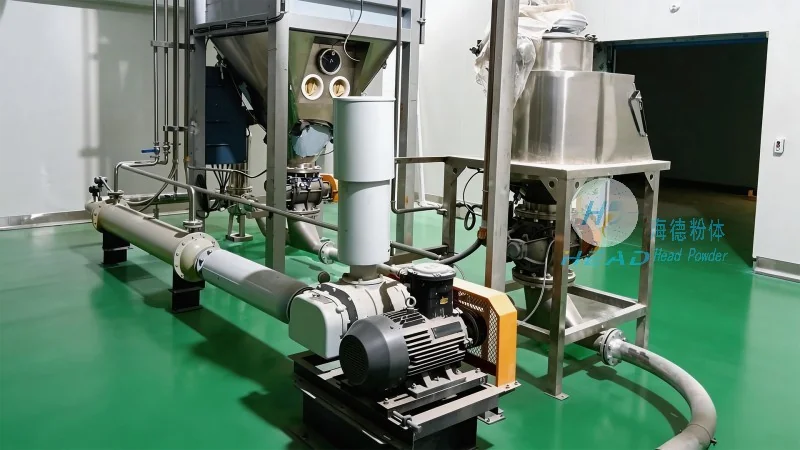
The primary structure of a sugar pneumatic conveying system typically includes several interconnected components that work in tandem to facilitate the movement of bulk sugar. The first critical component is the sugar storage silo, which serves as the initial point of collection and storage. These silos are designed with materials that are non-reactive to sugar, preventing contamination and ensuring product integrity. The silo is equipped with a feed hopper that regulates the flow of sugar into the conveying line, often using a rotary valve or a screw feeder to control the discharge rate precisely. This control mechanism is vital for maintaining consistent flow rates, which is essential for preventing blockages and ensuring smooth operation.
The Conveying Line and Air Supply System
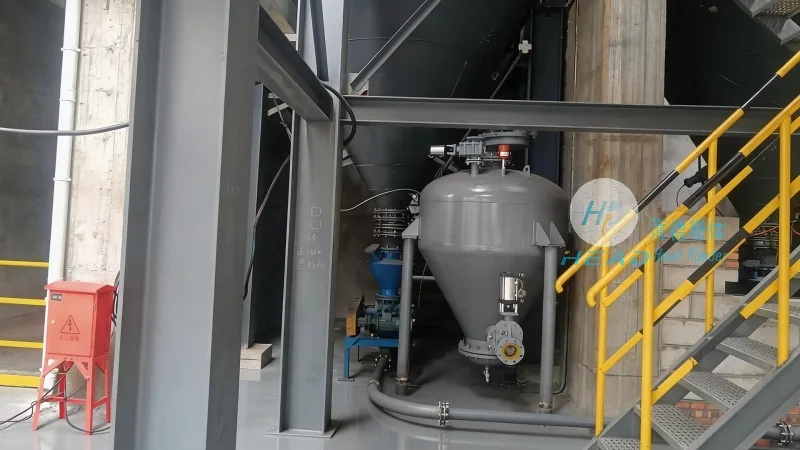
Following the feed hopper, the sugar is introduced into the pneumatic conveying line, which is typically made of stainless steel or other corrosion-resistant materials to withstand the abrasive nature of sugar particles. The line is connected to a positive displacement blower or a rotary lobe blower, which generates the necessary air pressure to move the sugar through the system. The air supply system is designed to deliver a consistent volume of air, ensuring that the sugar particles are entrained and transported efficiently. The blower is often equipped with a filter system to remove any fine particles from the air, preventing clogging and maintaining system performance. The conveying line may also include flexible hoses or flexible connectors at various points to accommodate changes in direction or elevation, allowing the system to be installed in complex layouts without compromising efficiency.
Receiving and Dosing Equipment
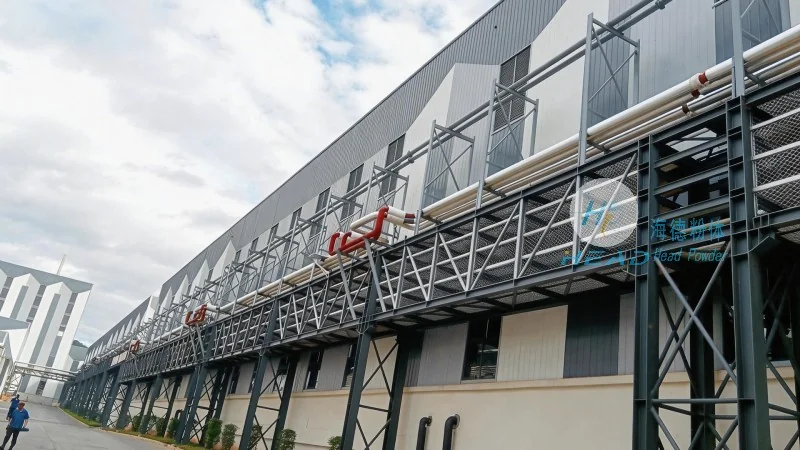
At the end of the conveying line, the sugar is deposited into a receiving hopper or a processing tank. This component is designed to handle the incoming flow of sugar and distribute it to downstream processes, such as milling or packaging. The receiving hopper is often equipped with a dosing valve or a weighing scale to control the amount of sugar being dispensed, ensuring accurate dosing for quality control and production consistency. The dosing equipment is critical for applications where precise sugar quantities are required, such as in the production of confectionery or pharmaceutical products. Additionally, the receiving hopper may include a level sensor to monitor the sugar level, triggering alerts when the hopper is full or empty, thereby preventing overfilling or underfilling.
Control and Monitoring Systems
To ensure the smooth operation of the sugar pneumatic conveying system, a comprehensive control system is integrated into the design. This system typically includes sensors and controllers that monitor key parameters such as air pressure, flow rate, and sugar level. The control system is often connected to a centralized control panel, which allows operators to monitor and adjust the system settings in real-time. The panel may include indicators for system status, alarms for any anomalies, and data logging capabilities to track performance over time. This monitoring capability is essential for maintaining optimal operation and detecting potential issues before they lead to system downtime. The control system may also include automation features, such as programmable logic controllers (PLCs), which can be programmed to follow specific operational sequences, reducing the need for manual intervention and improving overall efficiency.
Material Handling and Safety Features
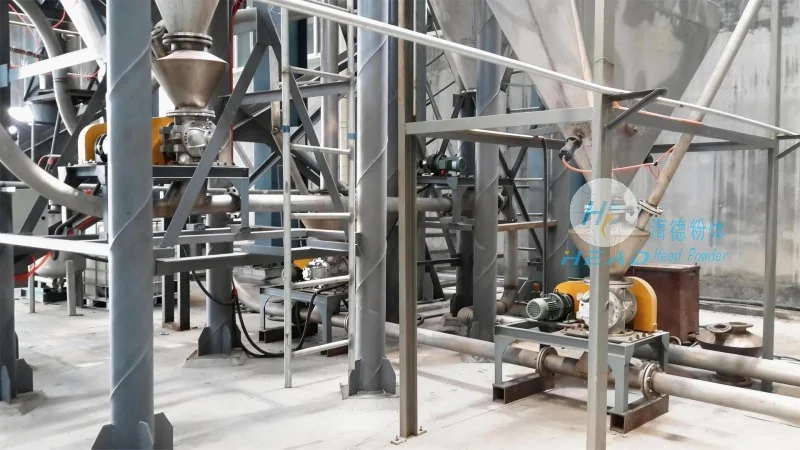
Another critical aspect of sugar pneumatic conveying systems is the inclusion of safety features and material handling considerations. The system is designed to handle the abrasive nature of sugar particles, which can cause wear and tear on components over time. To mitigate this, the conveying line and other components are often made of high-quality materials, such as stainless steel, which are resistant to corrosion and wear. The system may also include wear liners or replaceable parts to extend the lifespan of critical components. Additionally, the system is equipped with safety valves and pressure relief devices to prevent overpressure situations, which could lead to system failure or accidents. The control system may also include interlocks to prevent the system from operating if certain conditions are not met, such as if the air supply is insufficient or if the receiving hopper is full. These safety features are essential for ensuring the safe and reliable operation of the system, protecting both personnel and equipment.