

[MATCHED]Main Structures of Dry Powder Pneumatic Conveying Systems
For industrial applications requiring the efficient transport of dry powders, understanding the core structural components of pneumatic conveying systems is essential. These systems are designed to move bulk materials through a pipeline using pressurized air or vacuum, and the effectiveness of such operations hinges on the integration of several critical structural elements. This article explores the primary structures that constitute a dry powder pneumatic conveying system, providing insights into their functions and importance in ensuring reliable material handling.
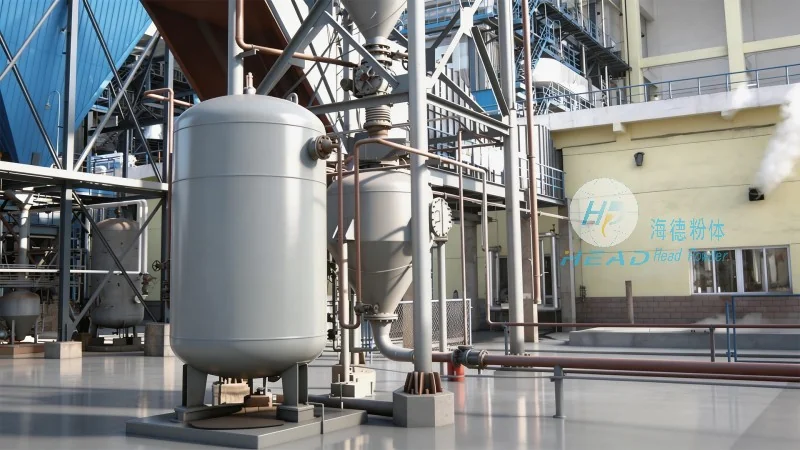
Overview of Dry Powder Pneumatic Conveying Systems
Dry powder pneumatic conveying systems are engineered to transport particulate materials like powders, granules, or fine particles from one location to another within an industrial setting. The fundamental principle involves the use of air to create a flow that carries the material through a pipeline. The system typically comprises several interconnected components, each serving a specific purpose in the overall material transport process. These components work in synergy to ensure the safe, efficient, and consistent movement of dry powders, minimizing issues such as blockages, material degradation, or system inefficiencies.
Key Structural Components of Dry Powder Pneumatic Conveying Systems
The primary structures that form the backbone of a dry powder pneumatic conveying system include the following elements, each playing a vital role in the operation:
1. Conveying Pipeline
The conveying pipeline is the central component of any pneumatic conveying system, serving as the pathway through which the dry powder and air mixture travels. Typically constructed from materials like stainless steel, PVC, or other corrosion-resistant substances, the pipeline is designed to withstand the pressures and temperatures associated with the conveying process. The diameter and length of the pipeline are critical factors, as they directly impact the system's capacity and efficiency. Proper sizing ensures that the air velocity within the pipeline remains within optimal ranges, preventing material settling or blockages. The pipeline may also incorporate bends, elbows, or other fittings to navigate changes in direction or elevation, maintaining the flow of the material-air mixture without significant loss of pressure or material separation.
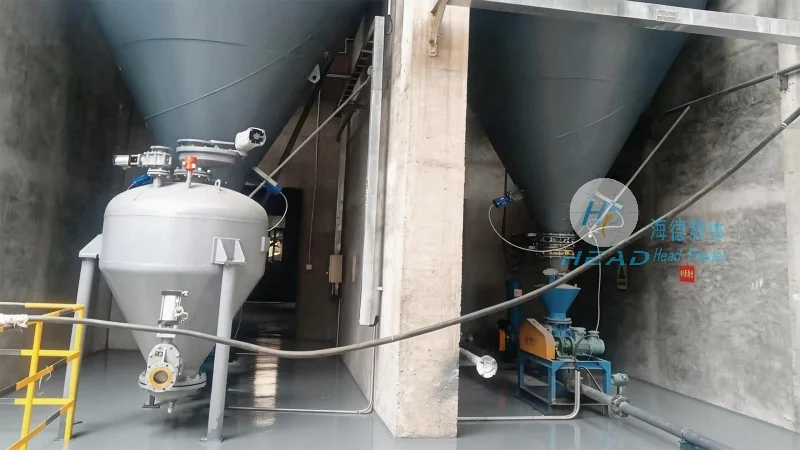
2. Material Feeders
Material feeders are responsible for introducing the dry powder into the conveying system at a controlled rate. This component is crucial for maintaining a consistent flow of material, as fluctuations in feed rate can lead to system instability or uneven material distribution. There are various types of feeders used in pneumatic conveying, including rotary valves, screw feeders, and vibratory feeders, each tailored to specific material characteristics and operational requirements. The feeder must be capable of handling the bulk density and flow properties of the dry powder, ensuring that the material is introduced smoothly into the pipeline without causing clogging or excessive wear. Properly designed feeders help maintain the system's efficiency and prolong the lifespan of other components by preventing premature wear or damage.
3. Air Supply and Control Systems
The air supply system provides the necessary pressure or vacuum to drive the material through the pipeline. This typically involves a blower or compressor, which generates the required airflow. The control system regulates the air pressure and flow rate, ensuring that the system operates within safe and efficient parameters. Variable frequency drives (VFDs) may be employed to adjust the speed of the blower or compressor, allowing for dynamic control of the conveying process. This flexibility is essential for adapting to changes in material feed rates or pipeline conditions. The air supply system must also include filtration and moisture control components to maintain air quality and prevent contamination of the dry powder. Clean, dry air is critical for preventing material degradation and ensuring the longevity of the system components.
4. Separation and Collection Equipment
At the end of the conveying pipeline, separation and collection equipment is used to separate the dry powder from the air stream and collect the material for further processing or storage. This component is vital for preventing material loss and ensuring that the system operates in an environmentally friendly manner. Common separation methods include cyclones, bag filters, and electrostatic precipitators, each designed to capture the powder while allowing the air to be discharged or recirculated. The efficiency of the separation equipment directly impacts the overall performance of the system, as uncollected material can lead to product loss, increased maintenance costs, or environmental compliance issues. Properly designed collection systems also help maintain air quality, reducing the risk of dust emissions and ensuring workplace safety.
5. Pressure and Vacuum Control Valves
Pressure and vacuum control valves are essential for regulating the pressure within the conveying system. These valves are used to control the flow of air and material, preventing over-pressurization or vacuum conditions that could damage components or disrupt the conveying process. The valves may include check valves, relief valves, and pressure regulators, each serving a specific function in maintaining system stability. Properly functioning control valves help protect the system from damage due to pressure spikes or vacuum loss, ensuring continuous and reliable operation. Regular maintenance of these valves is critical to prevent malfunctions that could lead to system downtime or material spillage.
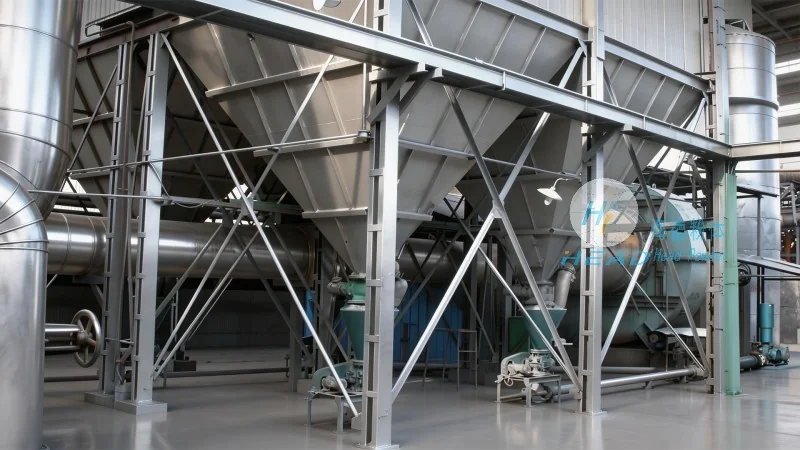
6. Accessories and Support Structures
In addition to the primary components, dry powder pneumatic conveying systems often include various accessories and support structures to enhance performance and safety. These may include filters, silencers, and safety interlocks, which help maintain air quality, reduce noise levels, and ensure safe operation. Support structures such as hangers or brackets are used to secure the pipeline and other components, preventing sagging or movement that could affect the system's efficiency. Proper installation and maintenance of these accessories are essential for the long-term reliability of the system. They also contribute to the overall safety of the operation by reducing the risk of component failure or material release.
Integration and System Design Considerations
The effectiveness of a dry powder pneumatic conveying system depends not only on the individual components but also on their integration and the overall system design. Engineers must consider factors such as material properties, conveying distance, and operational requirements when designing the system. The selection of appropriate components, such as the type of pipeline, feeder, and separation equipment, is critical to achieving optimal performance. Additionally, the layout of the system, including the placement of components and the routing of the pipeline, must be carefully planned to minimize pressure losses and ensure smooth material flow. Proper system design also involves considering the environmental impact and compliance with regulations, such as dust emission limits and safety standards. By addressing these factors, engineers can develop a system that meets the specific needs of the application while ensuring reliability, efficiency, and safety.
Conclusion
In summary, the dry powder pneumatic conveying system relies on several key structural components to achieve efficient material transport. The conveying pipeline, material feeders, air supply and control systems, separation and collection equipment, pressure and vacuum control valves, and accessories all work together to ensure the reliable and safe movement of dry powders. Proper design, installation, and maintenance of these components are essential for maximizing system performance and minimizing operational costs. For industries dealing with dry powders, understanding these structures and their functions is crucial for optimizing material handling processes and ensuring operational efficiency.