

Main Silica Fume Pneumatic Conveying Structures
For industrial applications involving silica fume, the selection of an appropriate pneumatic conveying system is crucial for efficiency and reliability. Silica fume, a byproduct of the silicon and steel industries, is often handled using airslide structures due to its fine particle size and potential for dust generation. Understanding the main types of airslide structures used in silica fume pneumatic conveying is essential for optimizing material transport and ensuring operational safety.
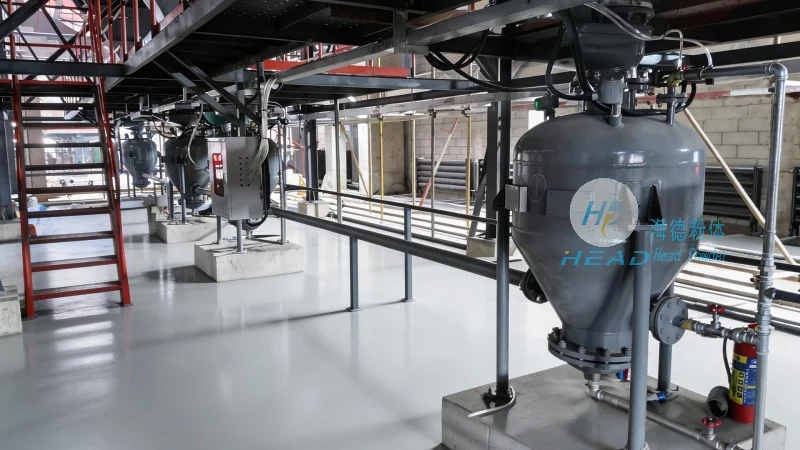
Introduction to Silica Fume Pneumatic Conveying
Silica fume, also known as microsilica, is a fine powder with a high surface area, typically used as a supplementary cementitious material in concrete to enhance strength and durability. Pneumatic conveying systems utilize air to transport these fine particles, offering advantages such as reduced equipment wear, minimal product degradation, and the ability to handle hazardous or sensitive materials like silica fume. The choice of airslide structure depends on factors including the material's properties, required conveying distance, and system capacity.
Key Airslide Structures for Silica Fume Handling
Several airslide structures are commonly employed in silica fume pneumatic conveying systems, each designed to address specific operational needs. The primary structures include the straight-line airslide, the curved airslide, and the combination of both, along with variations such as the inclined airslide and the use of multiple airslides in series or parallel configurations.
The Straight-Line Airslide Structure
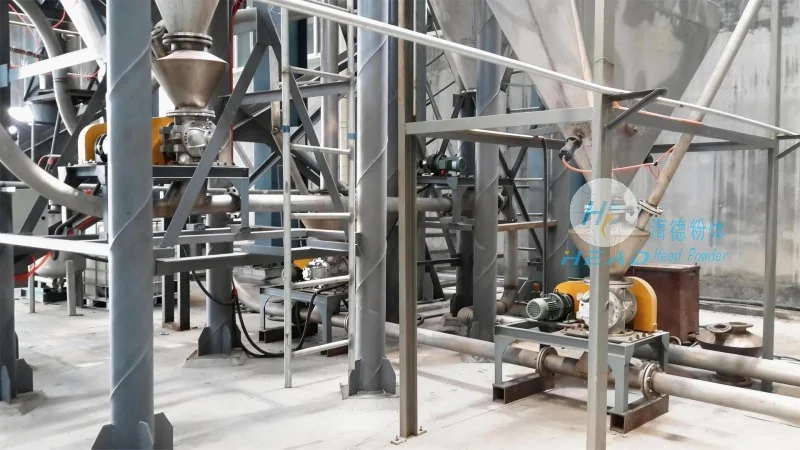
The straight-line airslide is the most basic and widely used structure for transporting silica fume. It consists of a long, horizontal or slightly inclined tube through which air is introduced at a controlled pressure. The air flows uniformly along the length of the tube, creating a consistent drag force that moves the silica fume particles forward. This structure is ideal for short to medium conveying distances and when the material flow rate is relatively low. The simplicity of the straight-line airslide makes it a cost-effective solution for many industrial applications, though it may not be suitable for long distances or high flow rates due to potential pressure drop and material deposition issues.
The Curved Airslide Structure
For applications requiring changes in direction or elevation, the curved airslide structure is employed. This type of airslide incorporates bends or elbows within the conveying line, allowing the silica fume to be transported around obstacles or to different levels. The curvature is designed to maintain a smooth flow of air and particles, minimizing the risk of blockages or material buildup. Curved airslides are particularly useful in facilities where space constraints or layout requirements necessitate non-linear transport paths. They are often used in conjunction with straight-line airslides to form a complete conveying system, providing flexibility in material movement while maintaining efficient transport.
Combined Straight and Curved Airslide Systems
In many industrial settings, a combination of straight and curved airslides is used to achieve optimal performance. This approach allows for the straight-line airslide to handle the primary transport over longer distances, while the curved sections are used to navigate changes in direction or elevation. The integration of both types of structures enables a more comprehensive and flexible conveying system, capable of handling a wide range of silica fume flow rates and distances. The use of combined systems is common in large-scale production facilities where the silica fume is transported from storage silos to processing equipment or from one production line to another. This configuration helps to maintain consistent air pressure and flow rates, reducing the likelihood of system failures and ensuring reliable material transport.
Inclined Airslide Structures
When the conveying system must move silica fume from a lower to a higher elevation, an inclined airslide is utilized. This structure is essentially a straight-line airslide with a slope, allowing the material to be lifted while still being conveyed by the air flow. The angle of inclination is carefully designed to balance the gravitational force acting on the silica fume particles with the drag force provided by the air. Inclined airslides are particularly effective for vertical or near-vertical transport, such as moving silica fume from a ground-level storage tank to an elevated processing unit. They are often used in combination with horizontal airslides to form a complete vertical transport system, ensuring efficient and continuous material movement without the need for additional mechanical equipment.
Multi-Airslide Conveying Systems
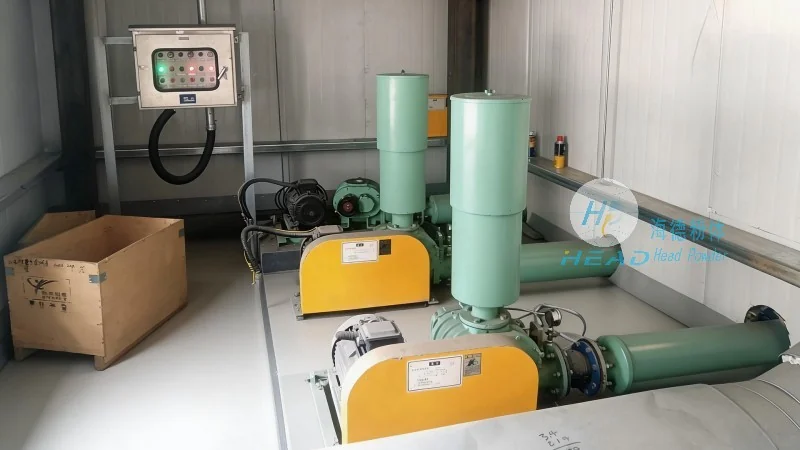
For high-capacity applications, multi-airslide systems are employed. These systems consist of multiple airslides connected in series or parallel, allowing for the simultaneous transport of silica fume over longer distances or at higher flow rates. The use of multiple airslides helps to distribute the pressure drop and maintain consistent air flow, reducing the risk of system overload or material blockages. Multi-airslide systems are commonly used in large-scale industrial plants where the silica fume is produced in large quantities and needs to be transported to various processing locations. This configuration enhances the overall efficiency of the conveying system, ensuring that the material is moved quickly and reliably while minimizing energy consumption.
Operational Considerations for Silica Fume Airslide Structures
When implementing an airslide structure for silica fume pneumatic conveying, several operational considerations must be taken into account to ensure optimal performance and longevity of the system. First, the air pressure and flow rate must be carefully controlled to maintain a consistent drag force on the silica fume particles. Insufficient air pressure can lead to material deposition and blockages, while excessive pressure can cause excessive wear on the airslide components and increase energy consumption. Second, the material feed rate must be regulated to match the system's capacity, preventing overloading and ensuring smooth material transport. Third, regular maintenance of the airslide components, such as cleaning the air slide surface and checking for air leaks, is essential to prevent material buildup and maintain system efficiency. Finally, the use of appropriate air filtration and dust collection systems is necessary to control silica fume dust emissions and ensure compliance with environmental regulations.
Conclusion
Understanding the main airslide structures for silica fume pneumatic conveying is critical for optimizing material transport in industrial applications. The choice of structure depends on factors such as conveying distance, flow rate, and system layout. Straight-line, curved, inclined, and multi-airslide systems each offer unique advantages and are selected based on specific operational requirements. By carefully considering these factors and implementing appropriate operational practices, industrial facilities can ensure efficient and reliable transport of silica fume, enhancing overall productivity and safety. Shandong HeadPowder Engineering Co., Ltd., a leading provider of engineering solutions for material handling, specializes in designing and manufacturing pneumatic conveying systems tailored to the specific needs of silica fume applications. With a focus on quality and innovation, the company ensures that its airslide structures are optimized for performance and durability, providing long-term benefits to its clients.