With more than 10‑year industry experience, Shandong Headpowder delivers full‑service pneumatic‑conveying systems and blowers, undertaking nationwide turn‑key powder‑handling projects.
In the highly regulated and precise world of pharmaceutical manufacturing, the handling of raw materials is a critical operational component. The movement of active pharmaceutical ingredients (APIs) and excipients requires a system that is not only efficient but also maintains the strictest standards of hygiene and contamination control. This is where the science of **powder transport** becomes indispensable. As the industry evolves, the demand for seamless integration between processing stages has increased, necessitating advanced systems that can handle delicate powders without compromising their chemical properties or physical structure. Selecting the right method for **powder transport** is therefore a strategic decision that impacts production speed, labor costs, and overall facility safety.
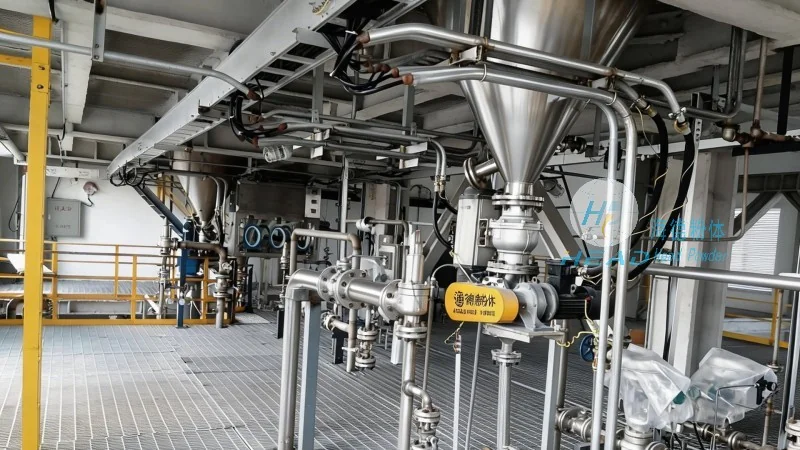
When considering how to move bulk materials, engineers and facility managers typically evaluate two primary categories: mechanical systems and pneumatic systems. While traditional mechanical methods such as screw conveyors and belt conveyors have been used for decades, they often require multiple points of entry and exit, which can compromise the sterility of the environment. In contrast, modern solutions prioritize **powder pneumatic conveying**, which utilizes air pressure to move materials through enclosed pipelines. This method is widely regarded as the industry standard for **powder transport** due to its ability to maintain a completely closed system, thereby eliminating dust exposure and cross-contamination risks.
At the core of **powder pneumatic conveying** is the use of air to generate pressure differentials that propel the material through the piping network. This technology allows for the movement of **powder transport** across various distances and elevations with remarkable efficiency. There are generally two distinct modes of operation within this technology: dilute phase and dense phase. Dilute phase conveying uses high-velocity air to suspend particles in a stream, which is ideal for short distances and fine powders. Conversely, dense phase conveying utilizes low-velocity, high-pressure air to push the material in plugs or slugs. This method significantly reduces wear on the system and is often the preferred choice for sensitive **powder transport** applications where product degradation must be avoided.
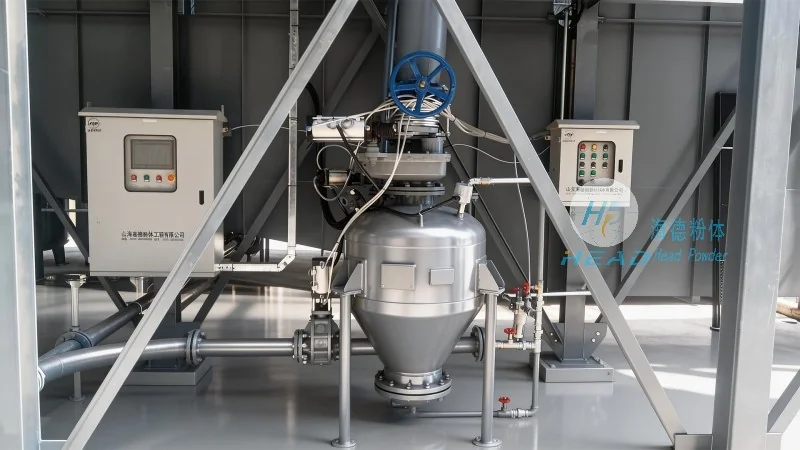
When seeking a reliable partner for **powder transport** solutions, the expertise of the engineering firm is paramount. Shandong Headpowder Engineering Co., Ltd. stands out as a specialized provider dedicated to the advancement of **powder pneumatic conveying** systems. Located in Shandong, China, the company leverages local manufacturing capabilities combined with international engineering standards to deliver robust and efficient solutions. Their focus on **powder transport** extends beyond simple installation; they provide comprehensive system design, simulation, and after-sales support. By understanding the unique challenges of pharmaceutical processing, Shandong Headpowder Engineering Co., Ltd. ensures that every **powder transport** system is optimized for the specific needs of the client, whether it involves mixing, filling, or packaging.
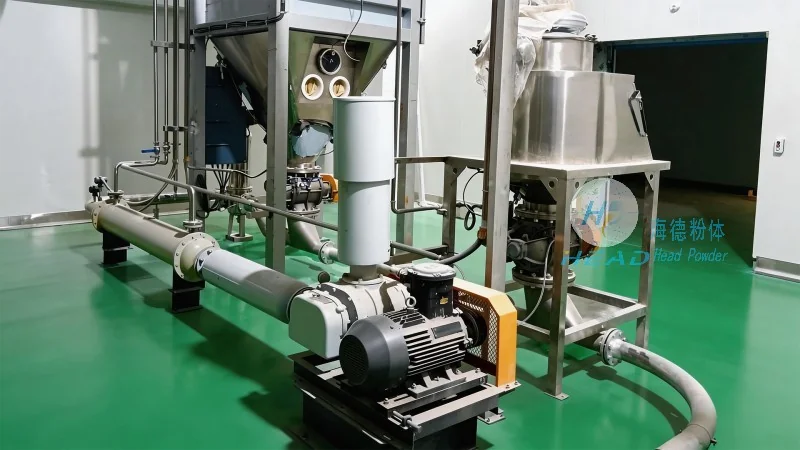
The adoption of **powder pneumatic conveying** offers a multitude of benefits that mechanical systems struggle to match. One of the most significant advantages is the reduction of environmental hazards. In a closed-loop **powder transport** system, there is zero exposure to the external environment, which is crucial for maintaining the purity of the product. Furthermore, the flexibility of piping allows for routing that avoids structural obstacles, optimizing the floor space of the manufacturing facility. This flexibility is a hallmark of modern **powder transport** engineering, allowing for more compact layouts that can be easily integrated into existing production lines. Additionally, because the system is fully enclosed, it effectively prevents the escape of fine particles, which is a major concern for occupational health and safety in **material handling**.
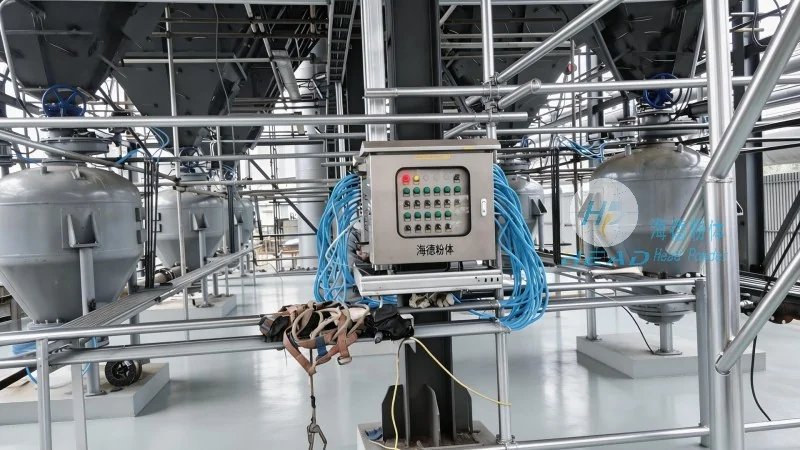
No two pharmaceutical production lines are exactly alike, which is why a one-size-fits-all approach to **powder transport** is rarely effective. Shandong Headpowder Engineering Co., Ltd. excels in providing customized **powder pneumatic conveying** systems tailored to the specific viscosity, particle size, and flow characteristics of the material. Whether the task involves moving abrasive powders or highly cohesive materials, their engineering team designs systems that minimize wear and ensure consistent flow. This level of customization ensures that the **powder transport** process is not only efficient but also cost-effective over the long term, reducing maintenance requirements and downtime.
In summary, the advancement of **powder transport** technologies has revolutionized the pharmaceutical industry by providing safer, cleaner, and more efficient means of moving materials. While mechanical options exist, **powder pneumatic conveying** remains the superior choice for maintaining product integrity and operational efficiency. For companies looking to upgrade their **material handling** infrastructure or design a new production line, partnering with an experienced engineering firm is essential. Shandong Headpowder Engineering Co., Ltd. is dedicated to providing top-tier **powder transport** solutions to meet these demands. For further inquiries regarding system design, pricing, or technical specifications, interested parties are encouraged to reach out to Zhang Manager directly. You can contact Zhang Manager at Shandong Headpowder Engineering Co., Ltd. via WeChat at 15662777102 to discuss how their specialized **powder pneumatic conveying** systems can enhance your production capabilities.

 Shandong Headpowder Engineering Co., Ltd.
 156-6277-7102(Manager Zhang)
  0531-83386006
  Zhangqiu District, Jinan City, Shandong Province, China
telephone
WeChatconsult
top