With more than 10‑year industry experience, Shandong Headpowder delivers full‑service pneumatic‑conveying systems and blowers, undertaking nationwide turn‑key powder‑handling projects.
Your current position:首页 >> News >> Insights

HeadpowderBoneMealPneumaticConveyingMethods

Release time:2026-08-14 16:43:26
name of the company:Shandong Headpowder Engineering Co., Ltd.
telephone:156-6277-7102
contacts:Manager Zhang

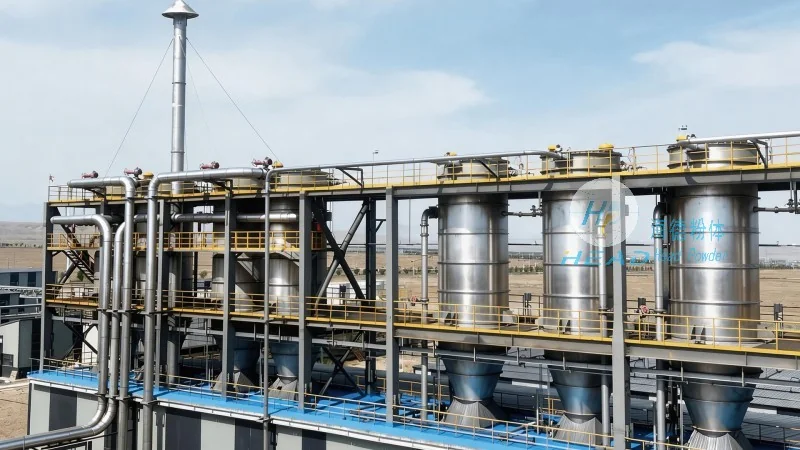
In the field of material handling, the transportation of bone meal has always presented unique challenges due to its powdery nature, density, and susceptibility to contamination. This article, originally titled “What Are the Bone Meal Conveying Methods? Introduction to Headpowder’s Pneumatic Conveying Methods,” provides a comprehensive overview of the available options for moving bone meal efficiently and safely. The core products under discussion are bone meal conveying, pneumatic conveying of bone meal, and general material conveying systems. The company featured in this article is Shandong Headpowder Engineering Co., Ltd. (abbreviated as “headpowder”), located in Shandong, China. For any business inquiries, the designated contact person is Manager Zhang, who can be reached via WeChat at 15662777102. The goal of this expanded English version is to present all the original key information in full detail while maintaining clarity and technical accuracy.article-img

Bone meal is a granular or powdery substance produced by grinding animal bones, typically used as a slow-release organic fertilizer, a calcium and phosphorus supplement in animal feed, and occasionally as a raw material in industrial applications. Its physical properties make it a difficult material to convey: it can be abrasive, prone to segregation, easily contaminated by moisture, and capable of forming dust clouds that are hazardous to both equipment and personnel. Therefore, selecting the right conveying method is critical for operational efficiency, product quality, and workplace safety. There are several common approaches to bone meal conveying, but they can be broadly classified into mechanical conveying and pneumatic conveying. Each category has its own advantages, limitations, and ideal use cases.

Mechanical conveying methods include belt conveyors, screw conveyors, bucket elevators, and chain conveyors. Belt conveyors are best suited for moving large volumes of bone meal over long distances at a relatively low cost, but they require careful sealing to prevent dust leakage and material spillage. Screw conveyors are widely used for short-distance, horizontal or slightly inclined conveying; they offer excellent dust control and are relatively simple to maintain, but they can cause degradation of the bone meal particles due to the shearing action of the screw. Bucket elevators are ideal for vertical lifting of bone meal in batches, yet they have a higher risk of dust accumulation and require regular inspection of the buckets and belts. Chain conveyors, especially drag chain conveyors, provide gentle handling and can be fully enclosed, making them a good choice for fragile or abrasive materials, but they tend to have higher power consumption and equipment wear. While these mechanical systems are proven and widely adopted, they often require multiple transfer points, which increases maintenance complexity and the risk of material contamination.

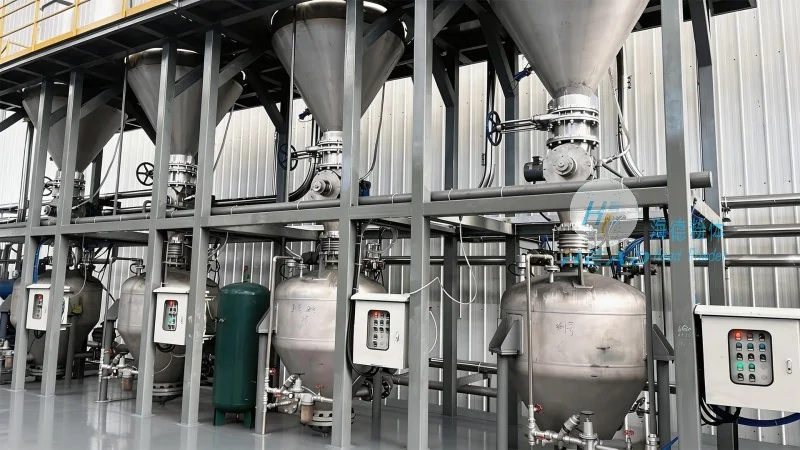
In contrast, pneumatic conveying systems use a continuous stream of air or gas to transport bone meal through pipelines. This method is the focus of Headpowder’s engineering expertise, and it offers several distinct advantages over mechanical alternatives. First, pneumatic conveying is entirely enclosed, which prevents dust emissions and protects the bone meal from external moisture and impurities. Second, the system has a compact layout with flexible routing—pipes can be installed overhead, through walls, or along existing structures, saving valuable floor space. Third, pneumatic systems have fewer moving parts in contact with the material, reducing wear and maintenance requirements. Fourth, they enable automated control and are easily integrated with other processing equipment, making them ideal for continuous production lines. For bone meal in particular, pneumatic conveying can be designed to handle both fine powders and granular mixtures without segregation, provided that the airflow velocity and material-to-air ratio are carefully selected based on the particle size distribution and bulk density of the bone meal.

There are two main types of pneumatic conveying systems: dilute phase and dense phase. Dilute phase conveying operates at high velocity and low pressure, using a relatively large volume of air to suspend the bone meal particles in a stream that moves at speeds typically between 15 and 35 meters per second. This method is economical for short to medium distances and is suitable for free-flowing powders with low to moderate density. However, due to the high velocity, dilute phase conveying can cause particle attrition and abrasive wear on the pipeline bends and inner walls. Dense phase conveying, on the other hand, uses low velocity and high pressure to push bone meal through the pipe as a slow-moving plug or bed. It operates at speeds below 10 meters per second, which significantly reduces product degradation and pipe wear. Dense phase systems are especially recommended for fragile, abrasive, or moisture-sensitive materials like bone meal, because the gentle conveying action preserves particle integrity. Their main drawback is that they require a more powerful air supply and a more sophisticated control system, leading to a higher initial investment.

article-img

Within the scope of pneumatic conveying, another important distinction is made between pressure conveying and vacuum conveying. Pressure systems use a blower or compressor to push the material through the pipeline from a single feed point to one or more receiving points. This approach is ideal for distributing bone meal from a central source to multiple silos or processing machines. Vacuum conveying systems, conversely, use a vacuum pump to create negative pressure, which sucks the bone meal into the pipeline from collection points and delivers it to a single destination. Vacuum systems are preferable when the material must be picked up from open containers, bags, or multiple hoppers, or when dust containment is of utmost importance. Headpowder has engineered both pressure and vacuum configurations to accommodate different bone meal conveying requirements, and their team provides customized solutions based on the specific distance, capacity, plant layout, and safety regulations.

One of the critical considerations in bone meal pneumatic conveying is the risk of dust explosion. Bone meal is an organic powder, and when dispersed in air within a certain concentration range, it can ignite if an ignition source is present. Therefore, any pneumatic conveying system must be designed with explosion protection measures. These measures include the use of explosion-vented pipes, explosion-proof rotary airlocks, grounding and bonding to prevent static electricity buildup, and the installation of pressure relief panels or suppression systems. Additionally, the conveying gas—often air—can be replaced with an inert gas such as nitrogen to reduce the oxygen concentration below the limiting oxygen concentration, effectively eliminating the risk of combustion. Headpowder’s engineers are well versed in ATEX, NFPA, and other international standards, ensuring that their bone meal conveying systems meet the highest safety requirements for global installations.

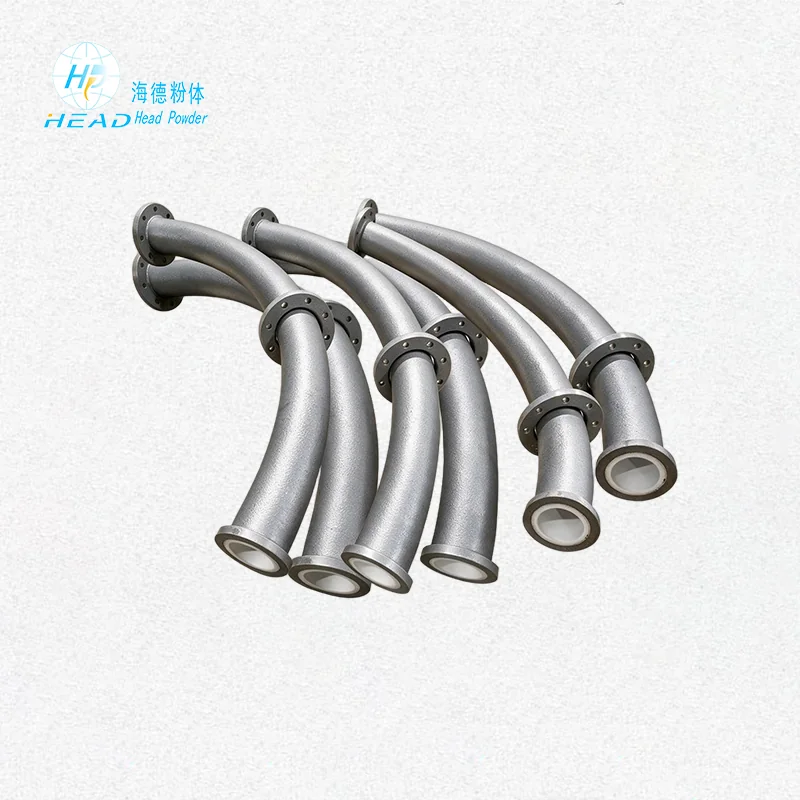
Another key aspect is hygiene and cleaning. Since bone meal is used in animal feed, it must be handled in a way that prevents bacterial growth and cross-contamination. Pneumatic conveying systems can be designed with smooth internal surfaces, no stagnant zones, and easy access points for inspection and cleaning. Many plants also require the ability to execute quick product changeovers, which demands that the conveying line can be purged or cleaned thoroughly between batches. Headpowder addresses this by offering swing bends, sanitary couplings, and automated purge sequences that use bursts of high-velocity air to clear residual powder from the pipeline. In addition, the entire system can be monitored by sensors that detect blockages, filter pressure drops, and motor overloads, allowing operators to respond promptly and avoid costly downtime.

The energy consumption of pneumatic conveying systems is another topic that plant managers often ask about. In general, pneumatic conveying consumes more energy per ton of material compared to mechanical conveyors, because of the large volume of air that must be moved. However, this energy cost can be mitigated by optimizing the system design. For bone meal, which may be transported over distances of 50 meters or less, a well-designed dense phase system can reduce energy usage by lowering the velocity and avoiding unnecessary dilution. Variable frequency drives on blowers, efficient filter receivers, and appropriately sized pipe diameters all contribute to lowering the overall operating cost. Headpowder emphasizes that every system is tailored to the exact characteristics of the bone meal, including its bulk density, particle size distribution, moisture content, and angle of repose, so that the chosen airflow rate and pressure are neither excessive nor insufficient.

Installation and after-sales service are also important for any industrial conveying project. Shandong Headpowder Engineering Co., Ltd. is located in Shandong, China, and serves customers not only domestically but also across international markets. Their service scope includes on-site survey, system design, manufacturing, installation supervision, commissioning, operator training, and lifetime maintenance support. Manager Zhang is the primary contact for new projects and can be reached through WeChat at 15662777102 for prompt communication. The company’s engineering team has accumulated extensive experience with bone powder, bone char, fish meal, and other similar organic powders, which enables them to anticipate and solve problems that might appear in the conveying process. Lead times can vary depending on system complexity, but typical projects are delivered within a few weeks to a few months after contract confirmation.

To summarize, the conveying methods for bone meal can be divided into mechanical conveying—which includes belt, screw, bucket, and chain conveyors—and pneumatic conveying, which is the preferred method for many modern plants due to its cleanliness, flexibility, and gentleness. Within pneumatic conveying, the choice between dilute phase and dense phase, as well as between pressure and vacuum systems, depends on the exact material properties and process requirements. Headpowder specializes in designing and manufacturing bone meal pneumatic conveying systems that are safe, efficient, and hygienic. Their solutions have been successfully applied in fertilizer production, animal feed processing, and so on. By keeping the pipeline fully enclosed, using appropriate explosion protection, and providing custom engineered components, Headpowder ensures that bone meal can be transported reliably from the mill to storage or packaging without compromising product quality or worker safety. For any company considering upgrading or installing a new bone meal conveying line, contacting an experienced partner like Headpowder is the first step toward a successful project. Interested readers may reach out directly to Manager Zhang via WeChat at 15662777102 to discuss their specific requirements and receive a professional proposal.

In conclusion, the technical evolution of bone meal conveying has moved from simple manual handling and mechanical conveyors to advanced pneumatic systems that offer precise control and superior dust containment. The original article’s key points—bone meal conveying, pneumatic conveying of bone meal, and material conveying—are thoroughly reflected in this English expansion. The implementation of a pneumatic conveying system not only increases productivity but also minimizes environmental impact and health risks by preventing dust leakage. When evaluating a bone meal conveying project, decision-makers should consider factors such as distance, capacity, particle fragility, moisture content, plant layout, and regulatory compliance. With the guidance of Shandong Headpowder Engineering Co., Ltd., these factors are systematically converted into a bespoke design that meets both performance and safety goals. The company’s presence in Shandong, China, combined with the responsive communication channel established through Manager Zhang’s WeChat (15662777102), makes it easy for international clients to initiate an inquiry and benefit from Headpowder’s professional engineering expertise. Whether the task is to replace an old mechanical system, expand an existing production line, or build a new facility from scratch, a well-designed pneumatic conveying solution is a long-term investment in operational excellence and sustainable manufacturing.

article-img

recommend

Copyright © Shandong Headpowder Engineering Co., Ltd.    Publicity of business license

top