

Main Structures of Air-Driven Sand and Soil Conveying
For professionals in the material handling industry, understanding the core structures of air-driven sand and soil conveying systems is crucial for optimizing efficiency and reliability. This article provides an in-depth look at the key components that make up such systems, presented by Shandong HeadPowder Engineering Co., Ltd., a leading provider in the field based in Shandong, China.
Introduction to Air-Driven Sand and Soil Conveying Systems
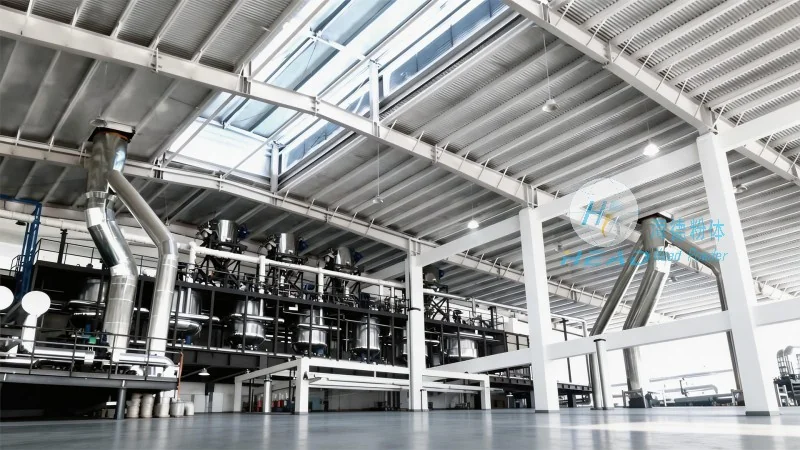
At the heart of any air-driven sand and soil conveying system are several critical structures that work in tandem to transport granular materials. These systems utilize air pressure to move materials through a network of pipes, making them ideal for applications where traditional mechanical conveyors may be less effective. The main structures typically include the feed hopper, air compressor, conveying line, and collection tank, each playing a vital role in the overall operation.
Feed Hopper: The Material Source
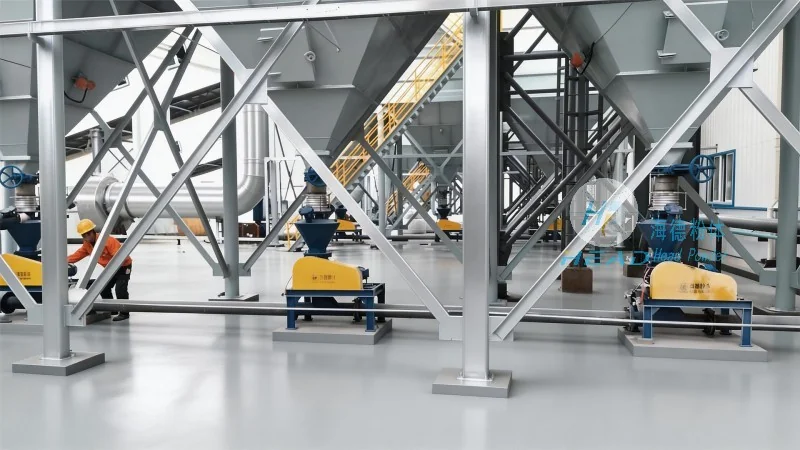
The feed hopper is the initial structure where bulk materials like sand or soil are loaded. It is designed to hold a sufficient quantity of material to ensure a continuous flow into the conveying system. The hopper features a sloped bottom and a discharge valve that controls the rate of material release. This structure is essential for maintaining a steady feed rate, which directly impacts the efficiency of the entire conveying process. The design of the feed hopper, including its dimensions and material, is tailored to the specific characteristics of the sand or soil being handled, such as particle size and moisture content.
Air Compressor: Powering the Conveying Process
The air compressor is a critical component that generates the necessary air pressure to move materials through the system. It supplies compressed air to the conveying line, creating a pressure differential that propels the material. Different types of air compressors are available, including rotary screw and reciprocating models, each with its own advantages in terms of efficiency and noise levels. The choice of compressor depends on factors like the distance to be conveyed, the volume of material, and the required air pressure. A well-maintained compressor ensures consistent performance and minimizes downtime, which is vital for maintaining productivity in industrial settings.
Conveying Line: The Path for Material Transport
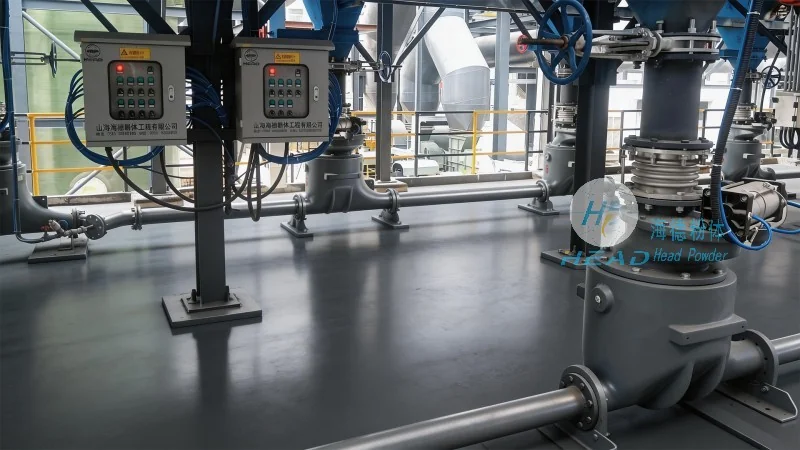
The conveying line, often made of stainless steel or other corrosion-resistant materials, forms the main pathway for the sand and soil. It is typically a series of pipes connected in a loop or straight line, depending on the layout of the facility. The line is equipped with bends, elbows, and other fittings that direct the material flow while maintaining the air pressure. The diameter and length of the conveying line are carefully selected to accommodate the material's properties and the required conveying distance. Proper insulation and support structures are also important to prevent heat loss and maintain structural integrity over time.
Collection Tank: The End Point of Conveying
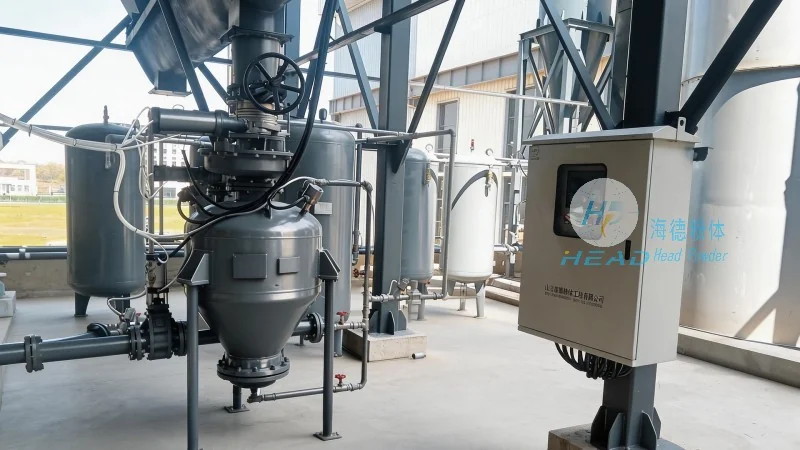
The collection tank is the final structure where the conveyed sand or soil is deposited. It is designed to hold the material until it is removed for further processing or storage. The tank features a sloped bottom with a discharge outlet, allowing for easy removal of the material. Some collection tanks are equipped with level sensors and alarms to monitor the material level and prevent overfilling. The design of the collection tank must consider the material's characteristics, such as its tendency to clog or settle, to ensure efficient and safe operation.
Additional Structures: Enhancing System Performance
Beyond the core components, several additional structures are often integrated into air-driven sand and soil conveying systems to enhance performance and reliability. These may include air filters and dryers to maintain air quality, pressure regulators to control air pressure, and vacuum pumps for suction applications. These auxiliary structures help to ensure that the system operates within optimal parameters, reducing the risk of material degradation or equipment damage.
Conclusion: The Importance of Proper System Design
Understanding and properly maintaining the main structures of air-driven sand and soil conveying systems is essential for achieving high levels of efficiency and reliability in material handling operations. By selecting the right components and ensuring proper installation and maintenance, industries can optimize their processes and reduce operational costs. Shandong HeadPowder Engineering Co., Ltd. specializes in designing and manufacturing such systems, providing tailored solutions to meet the unique needs of their clients in China and beyond.