

Classification and Application Analysis of Clay Coal Powder Pneumatic Conveying Systems
HeadPowder, a leading enterprise in the field of pneumatic conveying technology, specializes in the design, manufacturing, and implementation of advanced clay coal powder conveying systems. With a strong presence in China, particularly in Shandong province, the company has established itself as a reliable partner for industries requiring efficient and reliable material handling solutions. This article provides a comprehensive overview of the classification of these systems and their practical applications.
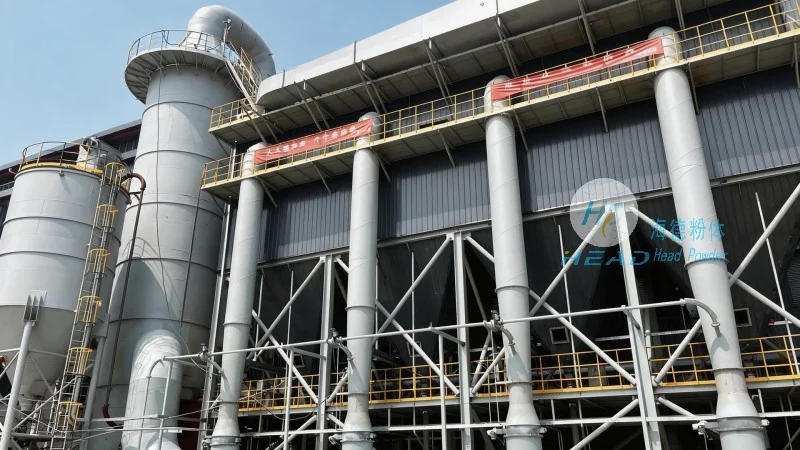
Introduction to Clay Coal Powder Pneumatic Conveying Systems
Clay coal powder, a crucial raw material in various industrial processes, often poses challenges in handling due to its fine particle size and cohesive properties. Traditional methods such as belt conveyors or bucket elevators may suffer from material buildup, dust emissions, and operational inefficiencies. Pneumatic conveying systems offer a superior alternative by utilizing air pressure to transport powders through pipelines, ensuring a clean, dust-free, and efficient transfer process. HeadPowder's expertise lies in developing customized solutions tailored to the unique characteristics of clay coal powder, addressing the specific needs of different industrial sectors.
Classification of Pneumatic Conveying Systems for Clay Coal Powder
HeadPowder categorizes clay coal powder pneumatic conveying systems based on the principles of air flow and material transport mechanisms. The primary classifications include:
- Positive Pressure Conveying: This system operates by blowing air into the conveying line under positive pressure, pushing the material forward. It is suitable for short to medium distances and is ideal for handling fine powders that are prone to caking or agglomeration. The positive pressure system ensures consistent material flow and minimizes the risk of blockages.
- Negative Pressure (Vacuum) Conveying: In this configuration, the conveying line is maintained under negative pressure, drawing the material into the system. This method is particularly effective for long-distance transport and for applications where the material needs to be collected from multiple sources. The vacuum system is advantageous for handling materials that are sensitive to air exposure or for environments where dust containment is critical.
- Combined Pressure-Vacuum Conveying: This hybrid approach combines elements of both positive and negative pressure systems. It is designed for complex conveying routes that involve both short and long segments, as well as multiple pickup and discharge points. The combined system offers flexibility and efficiency, making it suitable for large-scale industrial operations where material handling demands high throughput and reliability.
Each classification is engineered to optimize the handling of clay coal powder, considering factors such as particle size distribution, moisture content, and the required conveying distance. HeadPowder's engineers conduct thorough material analysis and process simulations to select the most appropriate system type for each client's specific requirements.
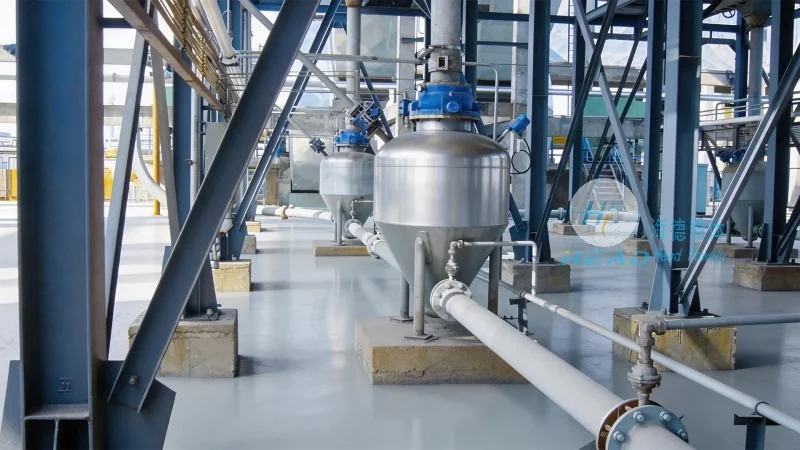
Key Applications and Benefits in Industrial Sectors
The applications of clay coal powder pneumatic conveying systems span across multiple industries, including power generation, cement production, and chemical processing. The primary benefits of adopting these systems include:
- Enhanced Material Handling Efficiency: Pneumatic conveyors can achieve high material throughput rates, often exceeding traditional methods by several times. This results in increased production capacity and reduced downtime for industrial operations.
- Improved Safety and Environmental Compliance: By eliminating the need for manual handling and open-air transport, these systems significantly reduce dust emissions and minimize the risk of occupational hazards. This aligns with stringent environmental regulations and promotes a safer working environment.
- Reduced Maintenance and Operational Costs: The closed-loop design of pneumatic conveying systems reduces material loss and wear on equipment, leading to lower maintenance expenses and longer equipment lifespan. The energy efficiency of these systems also contributes to overall cost savings.
- Flexibility in System Integration: HeadPowder's systems can be easily integrated with existing production lines or expanded to accommodate future growth. The modular design allows for customization, ensuring that the conveying solution meets the evolving needs of the industrial client.
In the power generation sector, for example, clay coal powder is used as a fuel in coal-fired boilers. The pneumatic conveying system ensures a continuous and reliable supply of fuel to the boiler, optimizing combustion efficiency and reducing fuel waste. In cement production, the system efficiently transports raw materials such as clay and coal to the grinding mills, contributing to consistent product quality and reduced energy consumption.
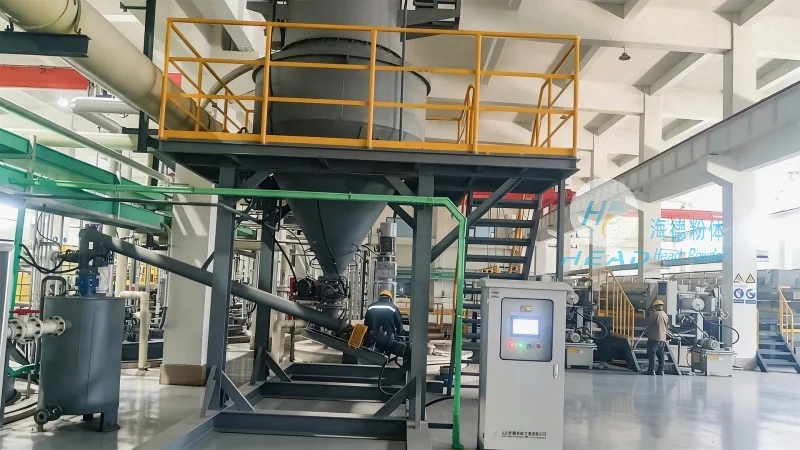
Customization and Implementation by HeadPowder
HeadPowder takes a comprehensive approach to system design and implementation, ensuring that each clay coal powder pneumatic conveying system is tailored to the client's specific operational requirements. The process begins with a detailed site survey and material analysis to understand the characteristics of the clay coal powder being handled. This includes assessing particle size, moisture content, and flow properties, which are critical factors in determining the optimal conveying system design.
Following the analysis, HeadPowder's engineering team develops a customized solution, considering factors such as conveying distance, required throughput, and environmental constraints. The design phase involves detailed calculations of air flow rates, pressure drops, and equipment sizing to ensure the system operates efficiently and reliably. HeadPowder utilizes advanced simulation software to model the conveying process, allowing for predictive analysis and optimization before the system is manufactured and installed.
The manufacturing process adheres to strict quality standards, with all components manufactured from high-quality materials to withstand the abrasive nature of clay coal powder. The system is then installed and commissioned by experienced technicians, ensuring that the equipment is properly integrated and operates as intended. HeadPowder provides comprehensive after-sales support, including maintenance services, spare parts availability, and technical assistance to ensure the long-term performance and reliability of the conveying system.