

Classification and Application Analysis of Grain Particle Pneumatic Conveying Systems
Grain particle pneumatic conveying systems are critical components in modern agricultural and food processing industries, designed to efficiently transport bulk materials like grains, seeds, and other particulate commodities. The technology leverages air pressure to move materials through pipelines, offering advantages such as reduced mechanical wear, improved hygiene, and enhanced safety compared to traditional mechanical conveyors. This article provides a comprehensive classification of these systems based on operational principles and application scenarios, alongside an analysis of their practical applications in various industries.
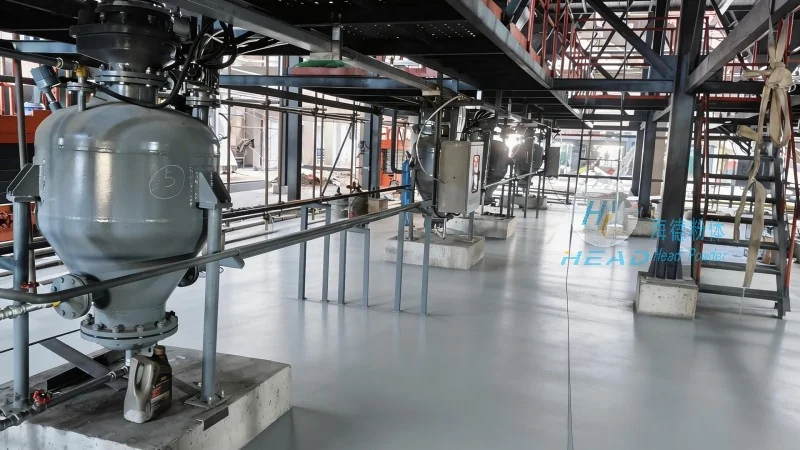
Classification of Grain Particle Pneumatic Conveying Systems
Grain particle pneumatic conveying systems can be broadly categorized into several types, each tailored to specific operational requirements and material characteristics. The primary classifications include:
- Positive Pressure Systems: These systems use a blower or fan to generate positive pressure in the conveying line, pushing the material forward. They are suitable for short to medium-distance transport and are commonly used in applications where the material is light and has low moisture content.
- Negative Pressure (Vacuum) Systems: In contrast, negative pressure systems create a vacuum in the line, drawing material from the source. This method is ideal for applications requiring gentle handling, such as transporting delicate or fragile materials, and is often used in long-distance or multi-point collection scenarios.
- Combined Pressure and Vacuum Systems: Also known as dual-mode systems, these combine elements of both positive and negative pressure operations. They offer flexibility, allowing for both material intake and discharge under controlled conditions, making them suitable for complex conveying networks with varying elevation changes and material flow directions.
- Gravity-Driven Systems: While less common for grain particle transport due to the need for precise control, gravity-driven systems utilize the natural weight of the material to move it through inclined pipes. They are typically used in low-capacity, short-distance applications where energy efficiency is a priority.
Each classification has distinct advantages and limitations, influencing the choice of system based on factors such as material type, distance, flow rate, and environmental constraints. For instance, positive pressure systems are often preferred for high-volume, short-distance transport of bulk grains, while negative pressure systems are more suitable for handling fine powders or sensitive products that require minimal mechanical stress.
Key Components and Operational Principles
Regardless of the classification, grain particle pneumatic conveying systems share common core components, including a material feed hopper, a conveying line (usually made of stainless steel or plastic to prevent material contamination), a blower or vacuum pump, and a discharge outlet. The material is typically fed into the system via a rotary valve or screw feeder, which controls the flow rate and prevents backflow. The blower or pump generates the necessary air pressure or vacuum to move the material through the pipeline, with the air velocity maintained at a level sufficient to keep the particles suspended and prevent clogging.
One of the critical operational principles is the "air-to-material ratio," which refers to the volume of air used per unit weight of material. This ratio is carefully optimized to ensure efficient transport while minimizing energy consumption. Proper design of the conveying line, including the use of bends, expansions, and filters, is essential to maintain consistent air velocity and prevent material deposition or blockages.
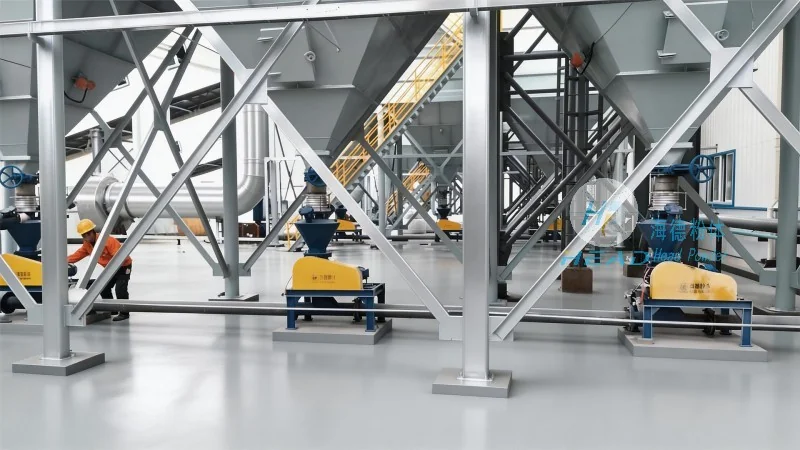
Applications in the Agricultural and Food Industry
Grain particle pneumatic conveying systems find extensive applications across the agricultural and food processing sectors. In grain storage facilities, these systems are used for transferring harvested grains from storage silos to processing plants or for moving grain between different storage locations. The systems are particularly valuable in large-scale operations where mechanical conveyors may be impractical due to space constraints or the need for hygienic handling.
In the food processing industry, pneumatic conveying is widely used for transporting raw materials such as wheat, corn, and rice to milling or processing equipment. The technology ensures that the materials are handled gently, preserving their quality and reducing the risk of contamination. For example, in flour mills, pneumatic conveyors are used to move ground flour from storage bins to packaging lines, maintaining the product's purity and preventing cross-contamination between different product lines.
Additionally, these systems are employed in the handling of seeds and other agricultural products. Seed processing facilities often use pneumatic conveyors to transport seeds from cleaning and sorting equipment to storage or packaging areas. The gentle handling provided by pneumatic systems is crucial for maintaining seed viability and quality, which is essential for agricultural productivity.
Advantages and Considerations in System Selection
Choosing the appropriate grain particle pneumatic conveying system involves evaluating several factors, including the material's physical properties, the required transport distance, and the operational environment. The advantages of pneumatic conveying systems include:
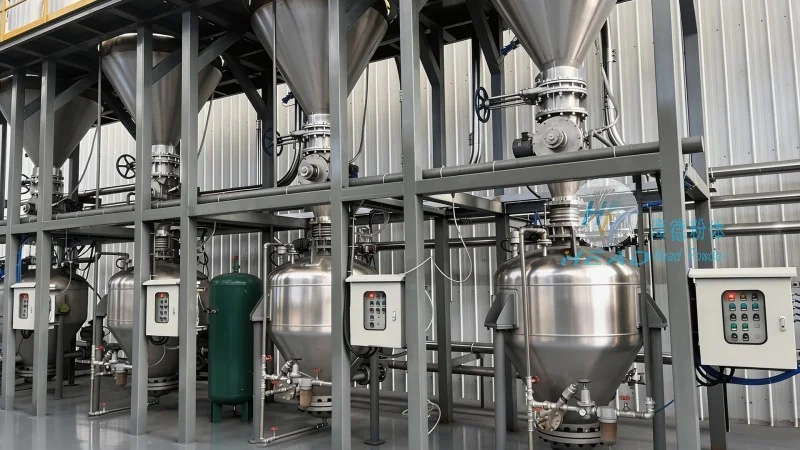
- Efficiency and Speed: Pneumatic systems can transport materials at high speeds, reducing overall processing time compared to traditional methods.
- Hygiene and Sanitation: The enclosed pipeline design minimizes exposure to contaminants, making them ideal for food and pharmaceutical applications where hygiene is paramount.
- Reduced Mechanical Wear: Unlike mechanical conveyors that rely on moving parts like belts or chains, pneumatic systems have fewer components that wear out, leading to lower maintenance costs and longer system lifespans.
- Flexibility and Scalability: These systems can be easily reconfigured or expanded to accommodate changes in production volume or process requirements.
However, there are also considerations to keep in mind. For instance, the initial investment for pneumatic systems can be higher than for mechanical alternatives, and energy consumption is a significant factor, especially for long-distance or high-volume transport. Additionally, proper maintenance is critical to prevent air leaks or material blockages, which can lead to system inefficiencies or failures.
About Shandong HeadPowder Engineering Co., Ltd.
Shandong HeadPowder Engineering Co., Ltd., commonly known as HeadPowder, is a leading manufacturer and supplier of grain particle pneumatic conveying systems. With a strong focus on innovation and quality, the company has established itself as a trusted partner in the agricultural and food processing industries. HeadPowder's products are designed to meet the diverse needs of clients, offering customized solutions that enhance operational efficiency and product quality.
HeadPowder's team of engineers and technicians brings extensive experience in pneumatic conveying technology, ensuring that each system is tailored to the specific requirements of the application. The company adheres to strict quality control standards, using high-quality materials and advanced manufacturing processes to deliver reliable and durable equipment. With a commitment to customer satisfaction and technical support, HeadPowder provides comprehensive solutions that help clients optimize their material handling processes and improve overall productivity.
HeadPowder's headquarters is located in Shandong, China, where the company operates a state-of-the-art manufacturing facility equipped with the latest technology and equipment. The company's dedication to research and development ensures that its products remain at the forefront of industry trends, providing clients with cutting-edge solutions that address the evolving challenges of modern material handling.