

Calcined Sand Pneumatic Conveying System Analysis
Calcined sand, a critical material in numerous industrial processes, often requires efficient and reliable transportation solutions. The pneumatic conveying system emerges as a preferred choice due to its ability to handle calcined sand with precision and flexibility. This analysis explores the technical foundations, operational advantages, and practical considerations of such systems, offering insights for industries dependent on calcined sand processing.
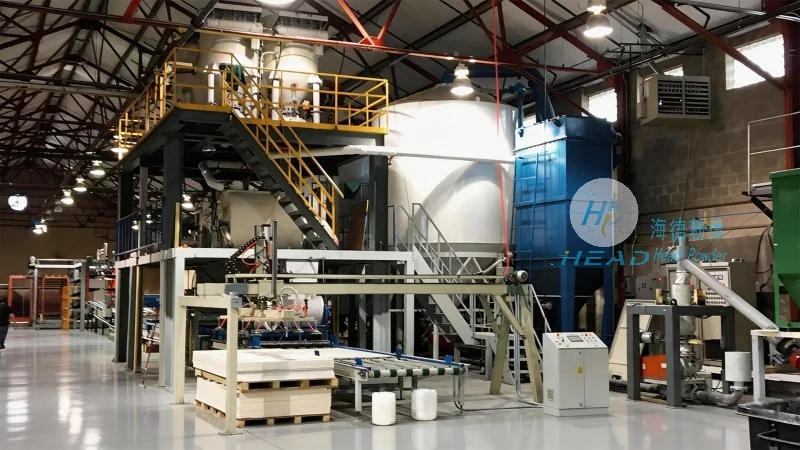
HeadPowder: A Leader in Pneumatic Conveying Solutions
HeadPowder, a prominent engineering firm headquartered in Shandong, China, specializes in the design, development, and implementation of advanced material handling systems. With a strong focus on innovation and quality, HeadPowder has positioned itself as a trusted partner for clients seeking efficient pneumatic conveying solutions for calcined sand applications. The company’s expertise spans system design, installation, and maintenance, ensuring optimal performance and longevity of the equipment.
Key Components of a Calcined Sand Pneumatic Conveying System
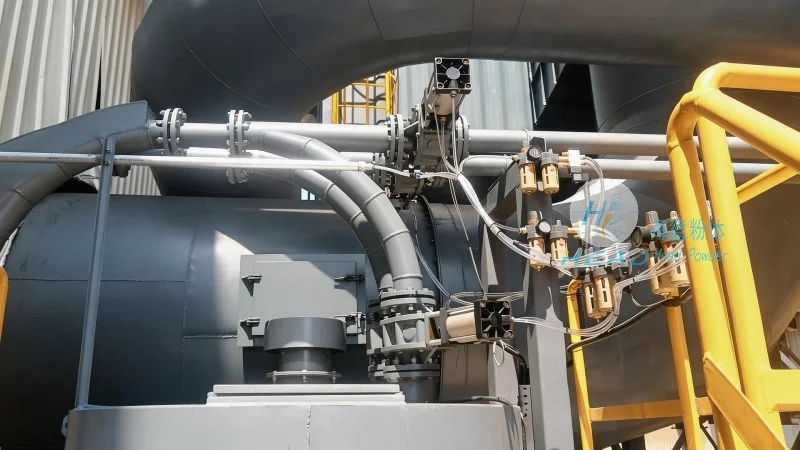
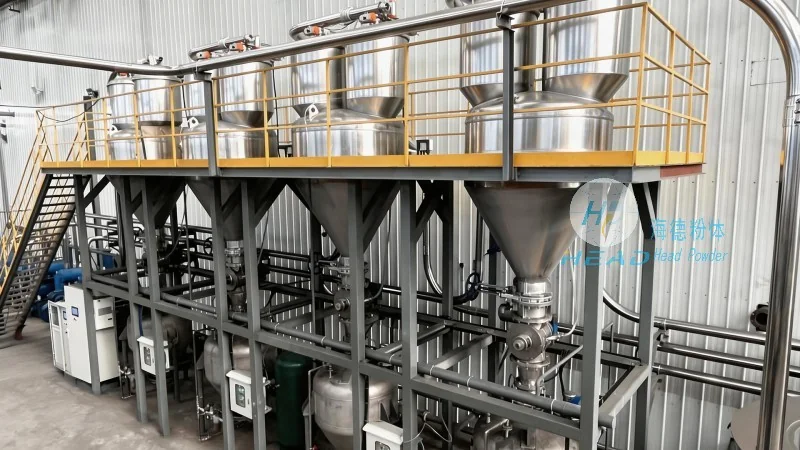
A typical calcined sand pneumatic conveying system comprises several essential components. These include the material feed hopper, which stores and feeds the calcined sand into the system; the air compressor or blower, which generates the necessary air pressure to transport the material; the conveying pipeline, which moves the sand from the source to the destination; and the control system, which regulates pressure and flow rates. Each component is critical to the system’s smooth operation and overall efficiency.
Operational Principles and Workflow
The system operates by drawing calcined sand from the hopper into the pipeline using pressurized air. The air, under controlled pressure, carries the sand particles through the pipeline to the discharge point. The control system continuously monitors pressure and flow, adjusting air supply as needed to maintain consistent performance. This process enables continuous, controlled movement of calcined sand, minimizing downtime and maximizing productivity.
Advantages Over Traditional Conveying Methods
Compared to mechanical conveying methods, pneumatic systems offer distinct advantages for calcined sand handling. These include reduced equipment wear, as there are no moving parts in direct contact with the material; enhanced safety, as the system operates in enclosed pipelines, preventing dust emissions and contamination; and greater flexibility, allowing for easy reconfiguration of the pipeline to adapt to changing production needs. Additionally, the system can accommodate a wide range of particle sizes and moisture content, making it suitable for various calcined sand types.
Industrial Applications and Use Cases
Calcined sand pneumatic conveying systems are widely utilized across industries such as metallurgy, ceramics, and chemical processing. In metallurgy, they are employed to transport calcined sand for refractory production, while in ceramics, they assist in handling sand used in glazing and finishing processes. The system’s adaptability to different production scales, from small operations to large industrial facilities, makes it a versatile solution for diverse calcined sand applications.
Maintenance and Longevity
Regular maintenance is crucial for ensuring the long-term performance of a calcined sand pneumatic conveying system. This involves checking the air compressor for proper operation, inspecting the pipeline for leaks or blockages, and cleaning the hopper and discharge points to prevent material buildup. HeadPowder provides comprehensive maintenance services, helping clients maintain optimal system performance and minimize operational risks.
Cost-Effectiveness and Return on Investment
Although the initial investment for a pneumatic conveying system may be higher than traditional methods, the long-term cost savings often justify the expense. Reduced maintenance costs, lower energy consumption, and increased productivity contribute to a favorable return on investment. The system’s ability to handle calcined sand efficiently and safely also reduces operational risks, further enhancing its economic viability.
Conclusion: The Role of Pneumatic Conveying in Calcined Sand Processing
In summary, the calcined sand pneumatic conveying system is a highly effective and reliable solution for material handling in industrial applications. Its combination of efficiency, flexibility, and safety makes it an ideal choice for industries relying on calcined sand processing. HeadPowder, with its expertise and commitment to quality, continues to deliver top-tier pneumatic conveying systems that meet the evolving needs of clients in Shandong and beyond.