Classification and Composition of PVC Pneumatic Conveying Systems
Release time:2026-09-14 10:39:00
name of the company:Shandong Headpowder Engineering Co., Ltd.
telephone:156-6277-7102
contacts:Manager Zhang
For industrial applications requiring efficient material handling of polyvinyl chloride (PVC) materials, pneumatic conveying systems offer a reliable and flexible solution. These systems are designed to transport PVC powders, granules, or pellets through a pipeline using air or other gases as the conveying medium. Understanding the classification and key components of such systems is essential for selecting the most suitable technology for specific operational needs.
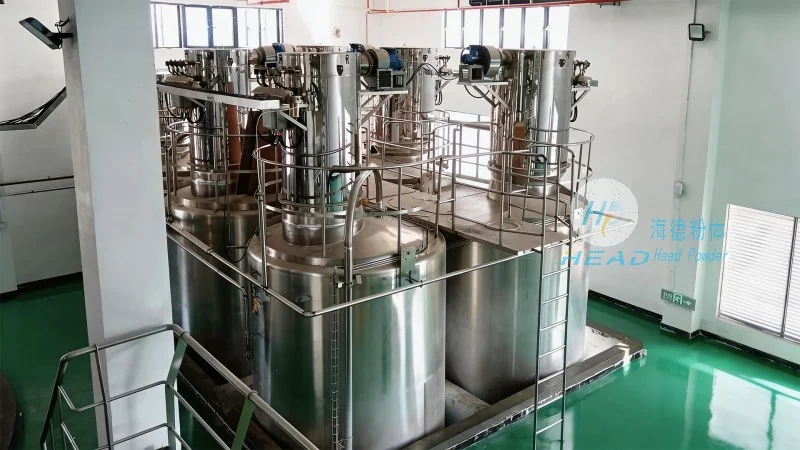
Classification of PVC Pneumatic Conveying Systems
PVC pneumatic conveying systems can be broadly categorized based on the pressure used during operation. The primary classifications include:
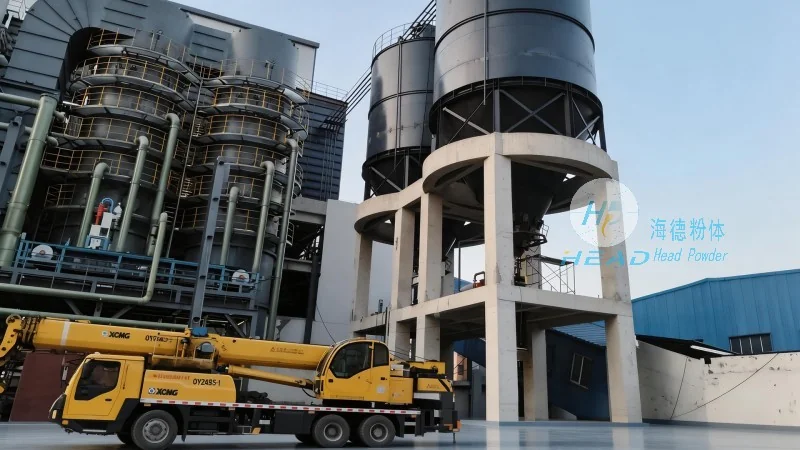
- Positive Pressure Systems: These systems generate air pressure above atmospheric levels to push the material through the pipeline. They are commonly used for short to medium distance conveying and are suitable for handling fine PVC powders.
- Negative Pressure (Vacuum) Systems: In these systems, air is drawn out of the pipeline, creating a vacuum that pulls the material from the source. This method is ideal for applications requiring material to be transported from multiple points or over longer distances.
- Pressure-Reduced Systems: Also known as semi-positive systems, these operate at a pressure slightly above or below atmospheric pressure. They offer a balance between the efficiency of positive pressure and the flexibility of vacuum systems, making them versatile for various PVC handling scenarios.
Key Components of PVC Pneumatic Conveying Systems
Regardless of the classification, a typical PVC pneumatic conveying system comprises several critical components that work in tandem to ensure smooth material transport. The main components include:
- Material Hopper or Feeder: This component is responsible for storing and feeding the PVC material into the system. It may include a hopper with a discharge valve or a rotary valve to control the flow rate. Proper design of the hopper is crucial to prevent material bridging or caking, which can affect conveying efficiency.
- Conveying Pipeline: The pipeline is the primary pathway for transporting the material. It is typically made of materials resistant to PVC, such as stainless steel or special plastic composites, to prevent corrosion and material degradation. The diameter and length of the pipeline are carefully selected based on the material's flow characteristics and the required conveying distance.
- Air Supply Unit: This unit provides the necessary air or gas to move the material. It includes a blower or compressor, a filter to remove contaminants from the air, and a regulator to control pressure and flow. The air supply unit must be capable of delivering sufficient volume and pressure to maintain the desired conveying velocity.
- Conveying Nozzles and Ducts: These components are used to introduce the material into the pipeline and direct the flow. They are designed to minimize pressure loss and ensure consistent material-air mixing. The design of the nozzles and ducts is critical for achieving optimal conveying efficiency and preventing material degradation.
- Receiver or Discharge Hopper: The receiver is the final component where the PVC material is deposited. It is typically a hopper or a storage bin designed to collect the material from the pipeline. Proper design of the receiver helps in controlling the discharge rate and preventing material spillage.
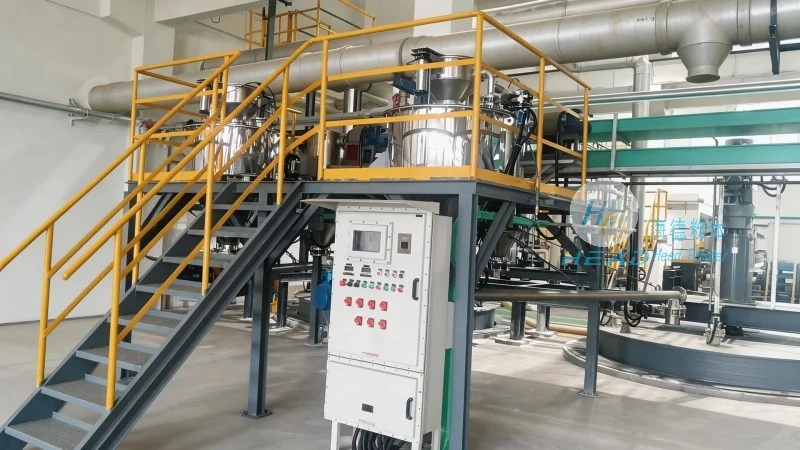
- Control and Monitoring Systems: Modern PVC pneumatic conveying systems often include control panels and monitoring equipment to regulate the operation. These systems may include sensors to measure pressure, flow rate, and material level, as well as control valves to adjust the air supply and material feed. This ensures the system operates efficiently and safely.
Application Considerations for PVC Pneumatic Conveying
The choice of a PVC pneumatic conveying system depends on several factors, including the material's properties, the conveying distance, and the required throughput. For example, fine PVC powders may require a positive pressure system with a high air-to-material ratio to prevent clogging, while bulk granules may be better suited for a pressure-reduced system. Additionally, the system's design must consider the potential for material degradation due to friction or exposure to air, which can affect the quality of the final product.
About Shandong HeadPowder Engineering Co., Ltd.
Shandong HeadPowder Engineering Co., Ltd., operating under the brand name headpowder, specializes in the design, manufacturing, and installation of pneumatic conveying systems for various industrial applications. With a focus on quality and reliability, the company provides customized solutions tailored to the specific needs of clients. HeadPowder's expertise in material handling technology ensures that their systems are efficient, durable, and compliant with industry standards. Based in Shandong, China, the company leverages local manufacturing capabilities to deliver high-quality products and services to customers worldwide.

 Shandong Headpowder Engineering Co., Ltd.
 156-6277-7102(Manager Zhang)
  0531-83386006
  Zhangqiu District, Jinan City, Shandong Province, China