With more than 10‑year industry experience, Shandong Headpowder delivers full‑service pneumatic‑conveying systems and blowers, undertaking nationwide turn‑key powder‑handling projects.
For industrial applications involving sodium silicate, the design and implementation of efficient pneumatic conveying systems are critical to ensure reliable material transport and process continuity. This article provides an overview of the classification and key components of sodium silicate pneumatic conveying systems, highlighting the expertise of Shandong HeadPowder Engineering Co., Ltd., a leading provider in the field.
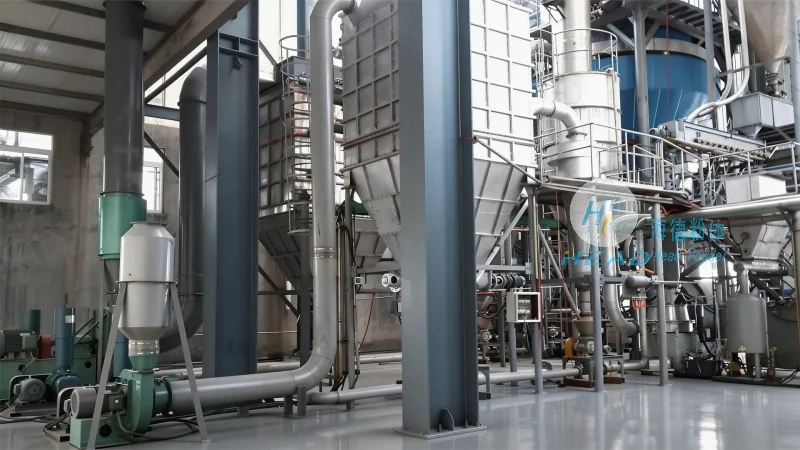
Sodium silicate, also known as water glass, is a versatile chemical widely used in industries such as glass manufacturing, detergents, and construction. The handling of this material often requires specialized equipment to maintain its quality and prevent degradation during transport. Pneumatic conveying systems offer a solution by using air or gas to move the material through a pipeline, eliminating the need for mechanical components that could cause wear or contamination. The effectiveness of these systems depends on proper classification and integration of essential components, which are tailored to the specific characteristics of sodium silicate and the operational requirements of the plant.
Sodium silicate pneumatic conveying systems can be classified based on several key factors, including the type of conveying air flow, the method of material feeding, and the system's overall design. The primary classifications include:
Dilute phase systems utilize low air velocities to transport material in a dispersed state, where the material particles are suspended in the air stream. This method is suitable for fine powders like sodium silicate, as it minimizes pressure drop and reduces the risk of blockages. Dense phase systems, on the other hand, operate at higher air velocities and lower flow rates, resulting in a more compact material-air mixture. This approach is ideal for handling bulkier or more abrasive materials, as it provides better control over material flow and reduces the likelihood of material degradation.
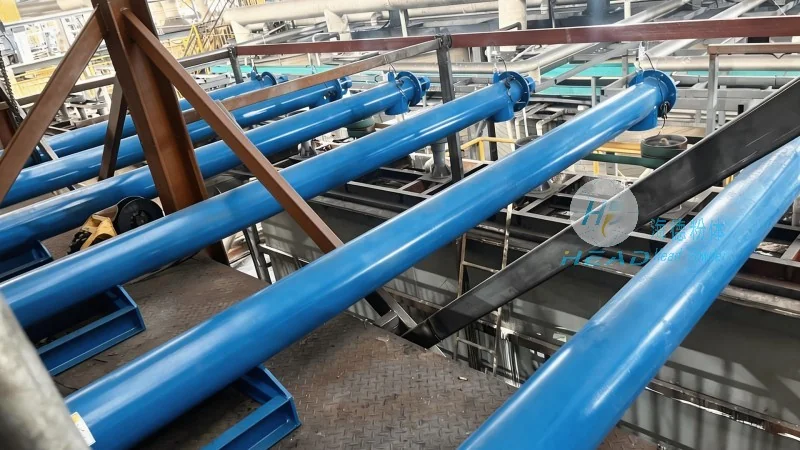
Positive pressure systems force air into the conveying line, creating an overpressure environment that pushes the material forward. These systems are commonly used for long-distance or high-capacity transport, as they can maintain consistent air flow and prevent material backflow. Negative pressure (vacuum) systems, conversely, create a vacuum in the conveying line, drawing material into the system from the source. This method is advantageous for applications requiring material to be collected from multiple points or for handling materials that are sensitive to pressure changes.
In-line conveying systems integrate the material feed directly into the main conveying line, allowing for continuous and unidirectional flow. This design is efficient for high-volume applications and reduces the need for additional transfer points. Side-entry systems, however, feed material into the pipeline at an angle, which can be beneficial for handling materials with high moisture content or for applications where space constraints limit the use of in-line designs.
Regardless of the classification, sodium silicate pneumatic conveying systems consist of several core components that work in tandem to ensure efficient operation. These components are meticulously designed and manufactured by Shandong HeadPowder Engineering Co., Ltd. to meet the specific demands of sodium silicate handling.
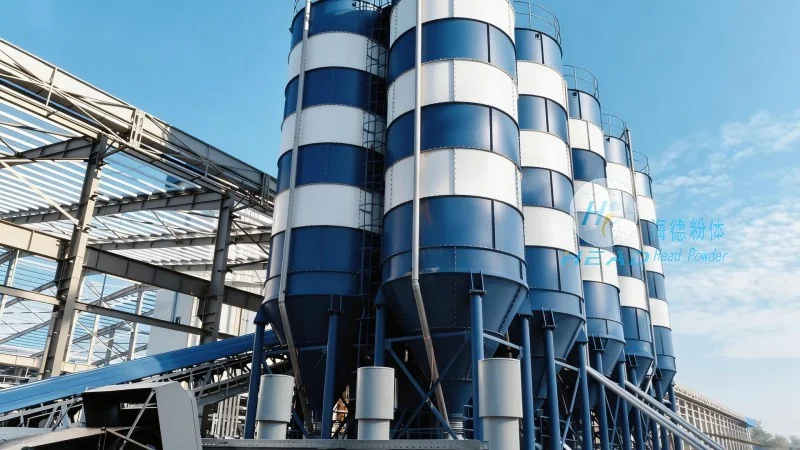
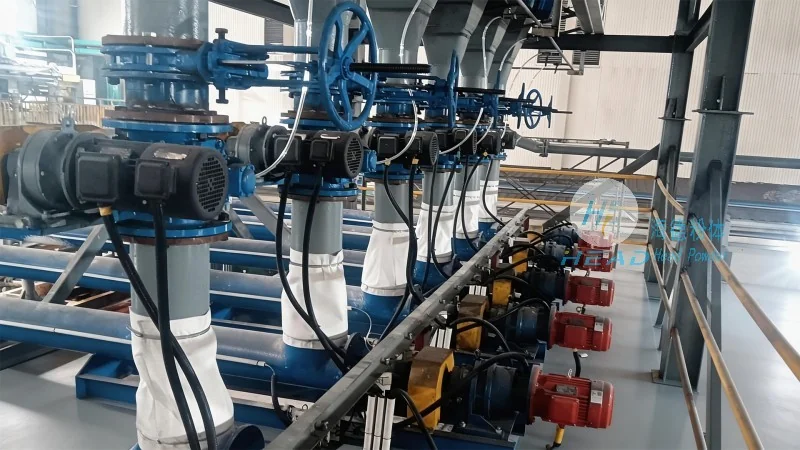
The feeding system is the initial stage of the pneumatic conveying process, responsible for introducing sodium silicate into the conveying line. For sodium silicate, which can be prone to clumping or moisture-related issues, specialized feeders such as rotary valves, star feeders, or screw feeders are used. These devices ensure a consistent and controlled flow of material, preventing blockages and maintaining the material's integrity. In some cases, conditioning equipment such as pre-drying or pre-mixing units may be integrated to improve material flowability and reduce the risk of clogging.
The conveying line, typically made of stainless steel or other corrosion-resistant materials, forms the backbone of the system. The choice of material for the pipeline is critical, as sodium silicate can be alkaline and may cause corrosion over time. The line is equipped with air blowers or vacuum pumps that generate the necessary air pressure or vacuum to move the material. The air handling units include filters and moisture separators to ensure the air used in the system is clean and dry, preventing contamination of the sodium silicate and extending the life of the equipment.
At the receiving end of the system, separation equipment is used to separate the material from the air stream. For sodium silicate, cyclone separators or bag filters are commonly employed. Cyclones use centrifugal force to separate the heavier material particles from the air, while bag filters capture fine particles using fabric media. The collected material is then discharged into a storage bin or processing unit, completing the conveying cycle. Proper design of the separation system is essential to minimize material loss and maintain product quality.
Modern sodium silicate pneumatic conveying systems are equipped with advanced control and monitoring systems to ensure optimal performance and safety. These systems include pressure sensors, flow meters, and level indicators that provide real-time data on the system's operation. Automated controls can adjust air flow rates, feeder speeds, and other parameters based on process conditions, ensuring consistent material transport and preventing overloading or underloading of the system. Safety features such as pressure relief valves and emergency shut-off mechanisms are also integrated to protect personnel and equipment from potential hazards.
Efficient classification and proper composition of sodium silicate pneumatic conveying systems are essential for maximizing productivity and minimizing operational costs in industrial applications. Shandong HeadPowder Engineering Co., Ltd., with its headquarters in Shandong, China, specializes in the design, manufacturing, and installation of high-quality pneumatic conveying systems tailored to the unique needs of sodium silicate handling. By leveraging advanced engineering and rigorous quality control, the company ensures that its systems deliver reliable performance, long service life, and compliance with industry standards. For businesses seeking to optimize their sodium silicate transport processes, partnering with a reputable provider like HeadPowder is a strategic investment in operational efficiency and process reliability.

 Shandong Headpowder Engineering Co., Ltd.
 156-6277-7102(Manager Zhang)
  0531-83386006
  Zhangqiu District, Jinan City, Shandong Province, China
telephone
WeChatconsult
top