With more than 10‑year industry experience, Shandong Headpowder delivers full‑service pneumatic‑conveying systems and blowers, undertaking nationwide turn‑key powder‑handling projects.
Lightweight aggregate pneumatic conveying technology represents a critical advancement in material handling, particularly for industries dealing with lightweight construction materials. This technology enables the efficient transport of materials like expanded clay, perlite, and other lightweight aggregates over long distances with minimal mechanical wear and energy consumption. The two primary modes of operation—negative pressure (suction) and positive pressure (blowing)—each offer distinct advantages and are selected based on the specific requirements of the material, system layout, and operational environment.
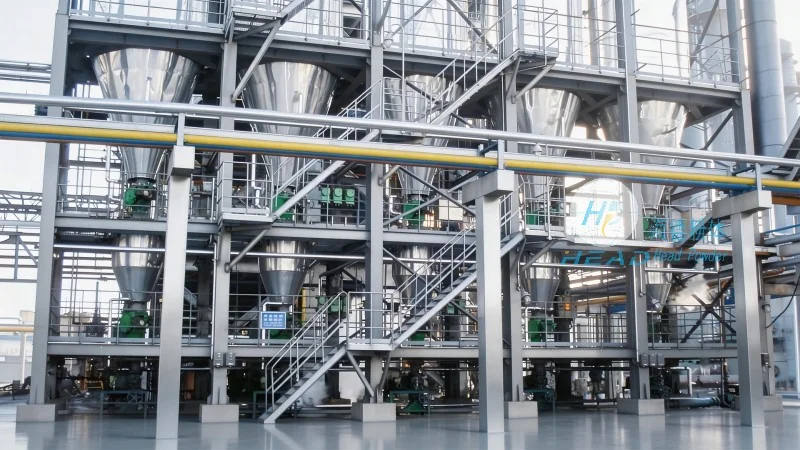
HeadPowder, or Shandong HeadPowder Engineering Co., Ltd., is a leading provider of specialized pneumatic conveying solutions tailored for the construction and industrial sectors. With a focus on innovation and reliability, the company has established itself as a trusted partner in the development and implementation of advanced material handling systems. HeadPowder's expertise lies in designing customized conveying systems that optimize performance while ensuring compliance with industry standards and safety protocols. The company operates from China, Shandong, and serves clients globally with tailored solutions for diverse material handling challenges.
Negative pressure pneumatic conveying systems operate by creating a vacuum at the material inlet, drawing the material into the conveying line using a suction fan. This mode is particularly effective for transporting lightweight aggregates that are prone to dust generation or require gentle handling to prevent degradation. The system typically consists of a hopper, a rotary valve, a suction fan, and a filter unit. The material is fed into the hopper, where it is then drawn into the conveying line under negative pressure. The suction fan generates the necessary airflow to move the material, while the filter unit captures any fine particles, ensuring clean air discharge. One of the key advantages of negative pressure systems is their ability to handle materials with high dust content without causing environmental pollution. They are also suitable for applications where the material source is located at a higher elevation than the destination, as the vacuum can effectively pull the material upward. However, negative pressure systems may require more complex ductwork and higher energy consumption compared to positive pressure systems, especially for long-distance or high-capacity applications.
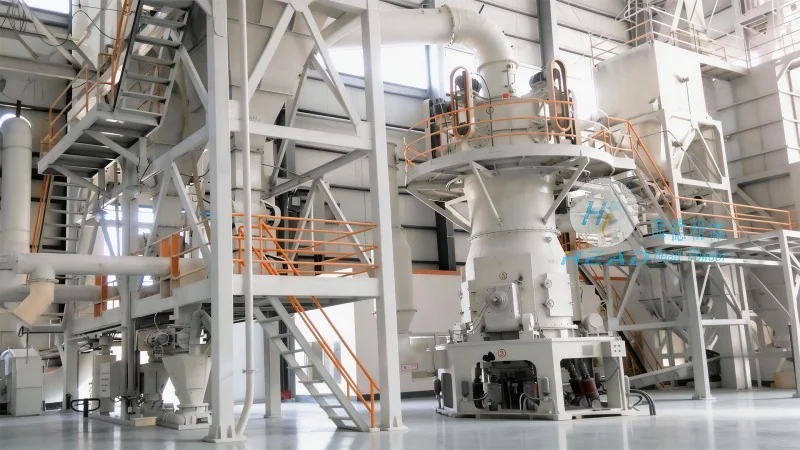
Positive pressure pneumatic conveying systems, on the other hand, use a blower to generate high-pressure air that pushes the material through the conveying line. This mode is ideal for transporting materials that are less dusty or require higher velocity to maintain flow, such as certain types of lightweight aggregates that are more cohesive. The system includes a hopper, a rotary valve, a blower, and a discharge unit. The material is fed into the hopper, and the blower injects high-pressure air into the conveying line, propelling the material forward. Positive pressure systems are generally more energy-efficient for long-distance transport and can handle larger particles with less risk of blockages. They are also easier to install and maintain compared to negative pressure systems, as they do not require extensive ductwork to manage vacuum conditions. However, positive pressure systems may generate more noise and require proper ventilation to prevent dust accumulation in the system. They are often preferred for applications where the material source is at a lower elevation than the destination, as the pressure can effectively push the material downward.
The choice between negative and positive pressure pneumatic conveying depends on several factors, including the material characteristics, system layout, and operational requirements. Material properties such as density, moisture content, and dust generation rate play a crucial role in determining the most suitable mode. For example, highly dusty or fine materials are better suited for negative pressure systems due to their ability to capture and filter particles effectively. Conversely, bulkier or less dusty materials may benefit from positive pressure systems, which can handle higher flow rates with less energy. System layout is another critical factor, as the elevation difference between the source and destination affects the direction of material flow. If the material needs to be transported upward, negative pressure is often preferred, while downward transport favors positive pressure. Operational considerations, such as energy costs, maintenance requirements, and environmental regulations, also influence the decision. Negative pressure systems may have higher initial costs due to the need for robust filtration and vacuum equipment, but they can be more cost-effective in the long run for applications with high dust content. Positive pressure systems, while potentially more energy-efficient for certain applications, may require more frequent maintenance due to the higher air pressure and potential for wear on components.
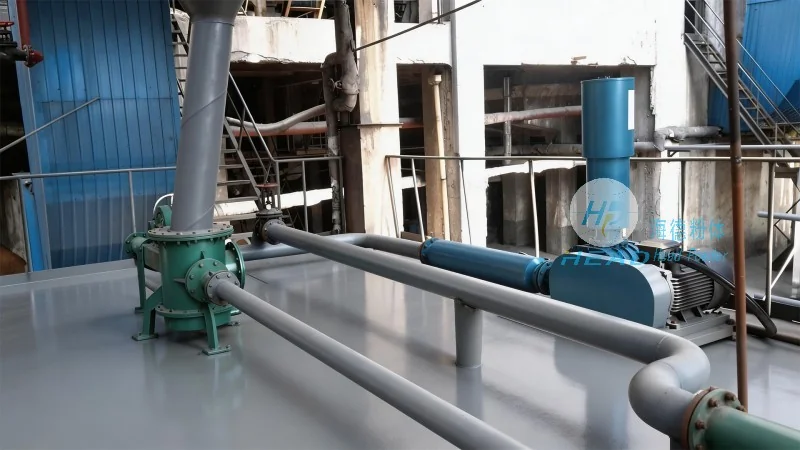
Lightweight aggregate pneumatic conveying technology finds widespread application in various industries, including construction, manufacturing, and mining. In the construction sector, these systems are used to transport expanded clay, perlite, and other lightweight aggregates to building sites, where they are used as insulation materials or in concrete mixes. The ability to handle these materials efficiently and with minimal degradation ensures consistent quality in construction projects. In manufacturing, the technology is employed in the production of lightweight concrete, where precise control over the aggregate size and moisture content is essential. The gentle handling provided by pneumatic conveying helps maintain the integrity of the aggregates, preventing clumping or breakage that could affect the final product quality. Case studies from HeadPowder Engineering demonstrate successful implementations of both negative and positive pressure systems in diverse settings. For instance, a project involving the transport of expanded clay from a quarry to a processing plant used a negative pressure system due to the high dust content of the material. The system was designed with a large-capacity filter unit to ensure compliance with environmental regulations and maintain air quality. Another project involved the transport of perlite from a storage silo to a mixing facility, which utilized a positive pressure system due to the lower dust generation and the need for efficient long-distance transport. Both systems were customized to meet the specific requirements of the client, resulting in improved operational efficiency and reduced downtime.
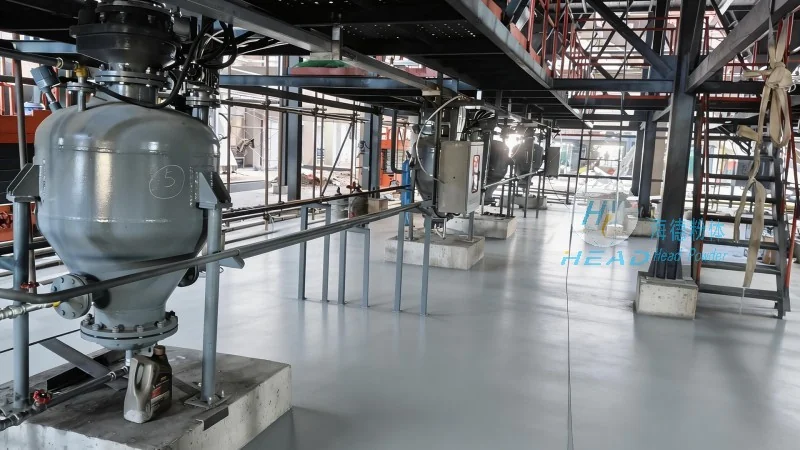
Pneumatic conveying offers several advantages over traditional mechanical conveying methods, such as belt conveyors or screw conveyors. One of the primary benefits is the ability to handle lightweight materials that are difficult to transport mechanically due to their low density and tendency to settle. Pneumatic systems can transport these materials over long distances with minimal energy consumption, making them ideal for applications where traditional methods are impractical. Another advantage is the reduced risk of material contamination and degradation. Unlike mechanical systems that may cause friction or abrasion, pneumatic conveying uses air to move materials, minimizing the risk of particle breakage or mixing with other substances. This is particularly important for lightweight aggregates used in construction, where consistency and quality are critical. However, pneumatic conveying also presents certain challenges that must be addressed to ensure optimal performance. One of the main challenges is the potential for system blockages, especially with cohesive or sticky materials. Proper design of the conveying line, including the use of bends and expansion joints, is essential to prevent blockages and maintain smooth material flow. Another challenge is the need for effective filtration and dust control, particularly in negative pressure systems. The filter unit must be regularly maintained to ensure that the system operates efficiently and that air discharge meets environmental standards. Additionally, energy consumption can be a concern, especially for long-distance or high-capacity applications. However, advancements in blower technology and system design have helped reduce energy costs and improve overall efficiency.
As the demand for lightweight aggregates and efficient material handling continues to grow, the pneumatic conveying industry is evolving with new technologies and innovations. One of the key trends is the integration of automation and control systems to enhance operational efficiency and reduce human intervention. Modern pneumatic conveying systems now feature advanced sensors and control panels that monitor parameters such as pressure, flow rate, and temperature in real-time. This allows for automatic adjustments to optimize performance and prevent issues such as blockages or overloading. Another trend is the use of sustainable materials and energy-efficient components. Manufacturers are developing blower systems with higher energy efficiency and using eco-friendly filtration materials to reduce the environmental impact of the systems. Additionally, the development of hybrid systems that combine both negative and positive pressure modes is gaining traction. These systems offer the flexibility to handle a wider range of materials and operational conditions, providing a more versatile solution for complex material handling challenges. HeadPowder Engineering is at the forefront of these innovations, continuously researching and developing new technologies to improve the performance and efficiency of pneumatic conveying systems. The company's commitment to innovation ensures that its clients benefit from the latest advancements in material handling technology, helping them stay competitive in an increasingly demanding market.

 Shandong Headpowder Engineering Co., Ltd.
 156-6277-7102(Manager Zhang)
  0531-83386006
  Zhangqiu District, Jinan City, Shandong Province, China
telephone
WeChatconsult
top