With more than 10‑year industry experience, Shandong Headpowder delivers full‑service pneumatic‑conveying systems and blowers, undertaking nationwide turn‑key powder‑handling projects.
For industries dealing with fine powders, the selection of an efficient and reliable conveying system is critical to operational efficiency and product quality. The fine powder pneumatic conveying system, a technology that uses air to transport fine powders, has become a preferred solution in many sectors due to its advantages in flexibility, cleanliness, and low maintenance. This article provides an in-depth analysis of the fine powder pneumatic conveying system, focusing on its working principles, key components, and practical applications.
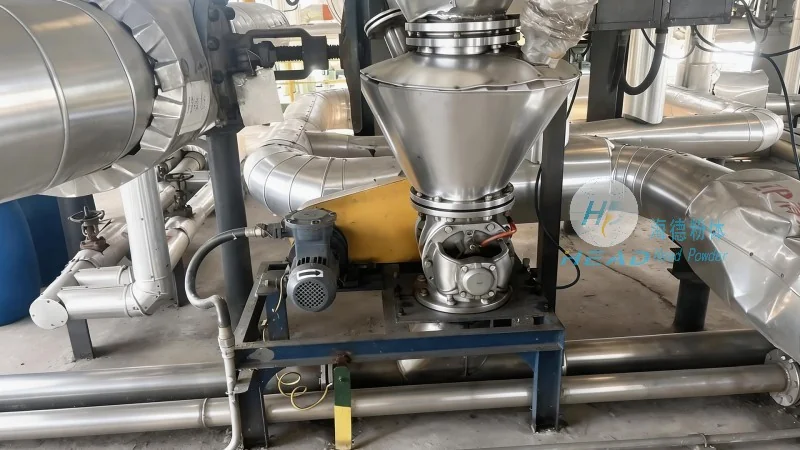
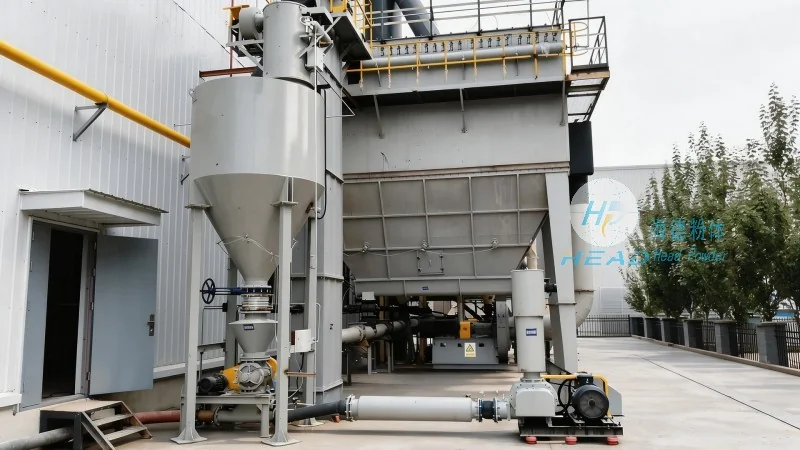
The fine powder pneumatic conveying system typically consists of several essential components that work in tandem to ensure effective material transport. The primary components include a material feeder, a conveying pipeline, a pressure vessel or receiver, a blower or air compressor, and a control system. The material feeder is responsible for feeding the fine powder into the system at a controlled rate, preventing blockages and ensuring a steady flow. The conveying pipeline, often made of stainless steel or other corrosion-resistant materials, transports the powder and air mixture. The pressure vessel or receiver collects the conveyed material and may include features such as a dust filter or cyclone separator to separate the powder from the air. The blower or air compressor provides the necessary air pressure to move the material through the pipeline. The control system monitors and adjusts the operation of the system, ensuring optimal performance and safety.
The operation of a fine powder pneumatic conveying system is based on the principle of air movement. There are two main types of pneumatic conveying systems: pressure and vacuum. In a pressure system, the blower pressurizes the air and forces it through the pipeline, carrying the fine powder along with it. The pressure system is suitable for short to medium distances and high material flow rates. In a vacuum system, a vacuum pump creates a negative pressure in the pipeline, drawing the fine powder and air mixture into the system. The vacuum system is ideal for long-distance transport and applications where the material needs to be collected from multiple points. The choice between pressure and vacuum systems depends on factors such as the distance to be covered, the material characteristics, and the required flow rate.
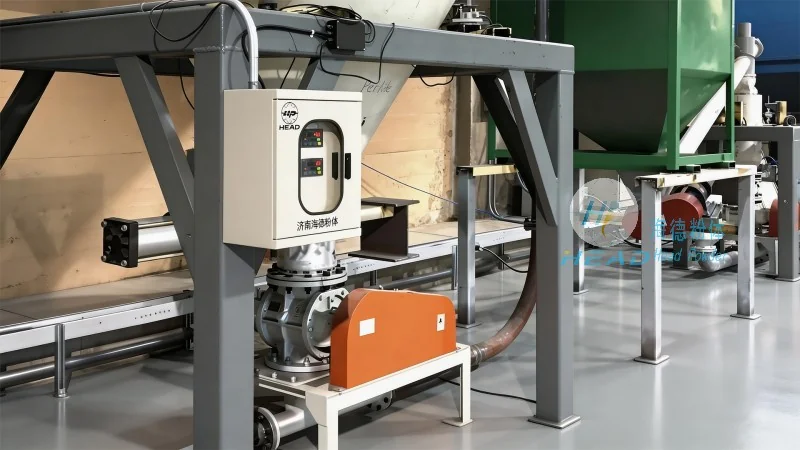
Fine powder pneumatic conveying systems offer several advantages over traditional mechanical conveying methods. One of the key benefits is the ability to handle fine powders without causing dust contamination or product degradation. The enclosed system prevents dust from escaping into the environment, making it suitable for applications where dust control is a priority. Additionally, the system is flexible and can be easily modified to accommodate changes in production requirements. The low maintenance requirements and the ability to transport materials over long distances without the need for intermediate storage points are other significant advantages. The system also reduces the risk of product cross-contamination, which is crucial in industries such as pharmaceuticals and food processing.
Fine powder pneumatic conveying systems are widely used in a variety of industries due to their versatility and efficiency. In the chemical industry, they are used to transport powders such as pigments, catalysts, and reagents. In the food industry, they are employed to handle ingredients like flour, sugar, and spices, ensuring that the products remain clean and free from contamination. The pharmaceutical industry also relies on these systems to transport active pharmaceutical ingredients (APIs) and other fine powders, maintaining strict quality and safety standards. In the mining and mineral processing sector, fine powder pneumatic conveying systems are used to transport raw materials and finished products, improving the overall efficiency of the processing plant. The system's ability to handle fine powders with high precision makes it an ideal choice for applications where accuracy and consistency are critical.
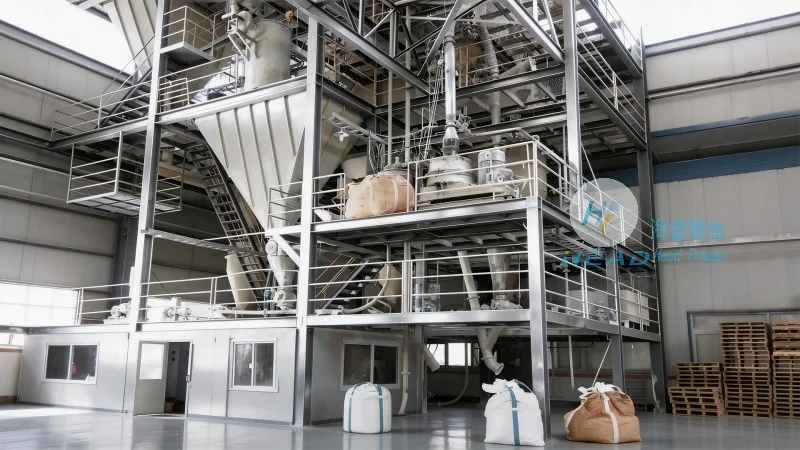
When designing and installing a fine powder pneumatic conveying system, several factors must be considered to ensure optimal performance and longevity. The first consideration is the material characteristics of the fine powder, including its particle size, density, and flowability. These properties affect the system's design, such as the type of feeder and the air velocity required. The second consideration is the distance and layout of the conveying system. The system's components must be sized appropriately to handle the required flow rate and pressure drop over the entire length of the pipeline. The third consideration is the environmental and safety requirements. The system must be designed to prevent dust emissions and ensure that it complies with local regulations regarding air quality and noise levels. Proper maintenance and regular inspections are also essential to ensure the system operates efficiently and safely over its lifespan.
Fine powder pneumatic conveying systems are a reliable and efficient solution for transporting fine powders in various industrial applications. By understanding the core components, working principles, and advantages of these systems, industries can make informed decisions when selecting the appropriate conveying technology. The system's ability to handle fine powders with minimal contamination, flexibility, and low maintenance makes it a preferred choice for many sectors. As technology continues to advance, the fine powder pneumatic conveying system is likely to remain a key component in the material handling processes of the future.

 Shandong Headpowder Engineering Co., Ltd.
 156-6277-7102(Manager Zhang)
  0531-83386006
  Zhangqiu District, Jinan City, Shandong Province, China
telephone
WeChatconsult
top