With more than 10‑year industry experience, Shandong Headpowder delivers full‑service pneumatic‑conveying systems and blowers, undertaking nationwide turn‑key powder‑handling projects.
Efficient and reliable transportation of bulk powders, such as calcium carbonate, is a critical challenge in many industrial processes. Traditional methods like belt conveyors or bucket elevators often face limitations in handling fine powders, leading to issues like dust generation, material degradation, and operational inefficiencies. Pneumatic conveying, or air-based transport systems, offers a modern solution to these challenges by utilizing air flow to move powders through pipelines. This article explores the principles, benefits, and practical applications of pneumatic conveying for calcium carbonate powder, highlighting how companies like Shandong HeadPowder Engineering Co., Ltd. leverage this technology to enhance material handling efficiency.
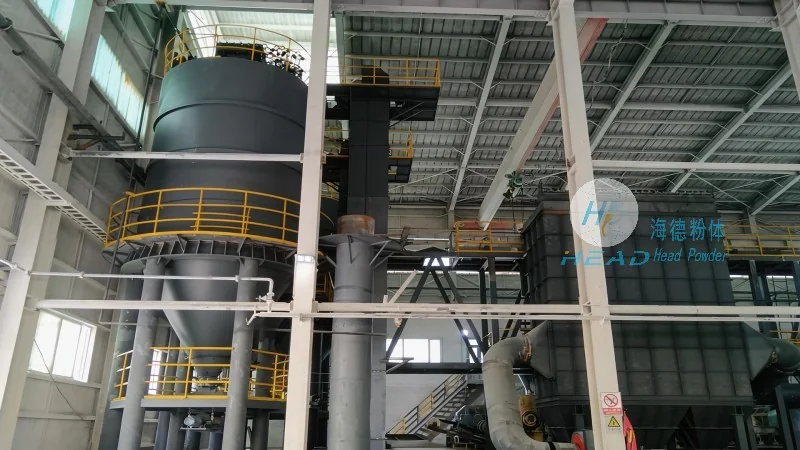
Pneumatic conveying systems operate by transporting solid particles through a pipeline using a stream of air. There are two primary types: dilute-phase and dense-phase systems. Dilute-phase systems use high velocities to keep particles suspended in the air stream, while dense-phase systems use lower velocities and higher air-to-material ratios to move material in a more compact form. For calcium carbonate powder, which is typically fine and lightweight, dilute-phase systems are often preferred due to their ability to handle large volumes with minimal pressure drops. The system typically consists of a material feed hopper, a blower or compressor to generate air flow, a pipeline network, and a discharge unit. The feed hopper ensures a consistent flow of powder into the system, while the blower provides the necessary pressure to move the material through the pipeline. The pipeline network is designed to minimize pressure loss and ensure smooth material flow, with bends and fittings carefully engineered to maintain efficiency. The discharge unit, such as a rotary valve or a venturi, controls the release of the powder at the destination, preventing backflow and ensuring accurate delivery.
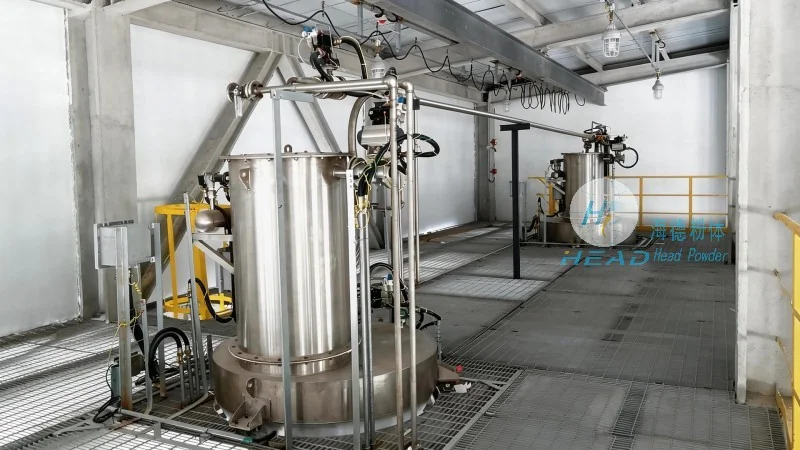
Implementing pneumatic conveying for calcium carbonate powder offers several significant advantages over traditional methods. First, it provides a dust-free environment, which is crucial for maintaining product quality and ensuring workplace safety. Unlike mechanical conveyors that can generate significant dust, pneumatic systems enclose the material, reducing airborne particles and minimizing contamination risks. Second, pneumatic conveying is highly flexible and can be easily integrated into existing production lines. The system can be reconfigured or expanded to accommodate changes in production volume or material types, making it a versatile solution for dynamic industrial environments. Third, it offers improved material handling efficiency by reducing downtime and maintenance. Unlike belt conveyors that may require frequent cleaning or replacement of components, pneumatic systems have fewer moving parts and are less prone to blockages, leading to lower operational costs and higher productivity. Additionally, the enclosed nature of the system helps preserve the quality of the calcium carbonate powder, preventing moisture absorption or agglomeration that could affect its performance in downstream processes.
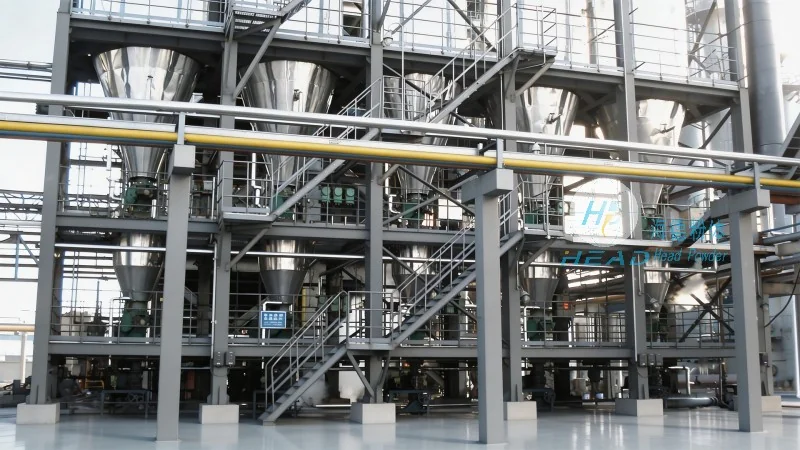
Shandong HeadPowder Engineering Co., Ltd., a leading provider of material handling solutions, specializes in designing and implementing advanced pneumatic conveying systems tailored to the needs of calcium carbonate powder producers. With a headquarters in Shandong, China, the company leverages decades of industry experience to deliver customized solutions that optimize material transport efficiency. The company’s approach involves a comprehensive understanding of the customer’s production requirements, including the characteristics of the calcium carbonate powder (such as particle size, moisture content, and flowability) and the specific application (e.g., from storage to processing equipment). By analyzing these factors, HeadPowder engineers can design a system that maximizes throughput while minimizing energy consumption and operational costs. For example, the company may recommend a combination of dilute-phase and dense-phase conveying for different sections of the pipeline, ensuring optimal performance across the entire system. The company also emphasizes the importance of material testing and system validation to ensure that the designed solution meets the customer’s performance targets. This includes conducting tests on the calcium carbonate powder to determine its air flow characteristics and selecting the appropriate blower or compressor to match the system’s requirements. By focusing on these details, HeadPowder ensures that its pneumatic conveying systems are not only efficient but also reliable and durable, providing long-term value to its clients.
Pneumatic conveying systems are widely used in the processing of calcium carbonate powder for various applications, including the production of coatings, plastics, and paper. In the coatings industry, for instance, calcium carbonate is used as a filler to improve the opacity and whiteness of paints. Pneumatic conveying allows for the precise and controlled delivery of the powder to the mixing tanks, ensuring consistent product quality. In the plastics industry, calcium carbonate is added to polymeric materials to enhance their mechanical properties and reduce costs. The ability of pneumatic systems to handle fine powders without degradation makes them ideal for this application. A case study from a major calcium carbonate producer in China illustrates the benefits of implementing a HeadPowder-designed pneumatic conveying system. The company previously used a traditional belt conveyor system that resulted in high dust levels and frequent blockages, leading to production delays and increased maintenance costs. After installing a dilute-phase pneumatic system from HeadPowder, the company experienced a 30% increase in production capacity, a 50% reduction in dust emissions, and a 20% decrease in energy consumption. The system also reduced maintenance time by 40%, as the fewer moving parts and enclosed design minimized wear and tear. This case study highlights the significant impact that pneumatic conveying can have on improving operational efficiency and product quality in calcium carbonate processing.
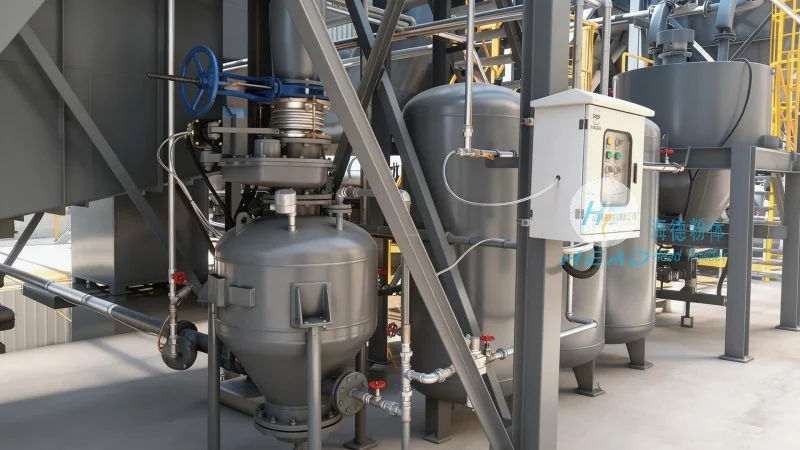
Pneumatic conveying represents a sophisticated and effective solution for the efficient transport of calcium carbonate powder. By leveraging air flow to move material through pipelines, this technology addresses the limitations of traditional methods and offers numerous benefits, including dust-free operation, flexibility, and improved material handling efficiency. Companies like Shandong HeadPowder Engineering Co., Ltd. play a crucial role in advancing this technology by providing customized systems that meet the specific needs of industrial clients. As the demand for high-quality calcium carbonate products continues to grow, the adoption of advanced pneumatic conveying systems will likely increase, driving further innovation in material handling technology. For businesses involved in calcium carbonate processing, investing in a well-designed pneumatic conveying system is a strategic decision that can lead to long-term operational advantages and competitive edge in the market.

 Shandong Headpowder Engineering Co., Ltd.
 156-6277-7102(Manager Zhang)
  0531-83386006
  Zhangqiu District, Jinan City, Shandong Province, China
telephone
WeChatconsult
top