With more than 10‑year industry experience, Shandong Headpowder delivers full‑service pneumatic‑conveying systems and blowers, undertaking nationwide turn‑key powder‑handling projects.
Glass fiber is a versatile and widely used material in various industrial applications, from construction to manufacturing. The efficient handling of glass fiber through pneumatic conveying systems is crucial for maintaining product quality and operational efficiency. This article outlines key design considerations for such systems, ensuring optimal performance and longevity.
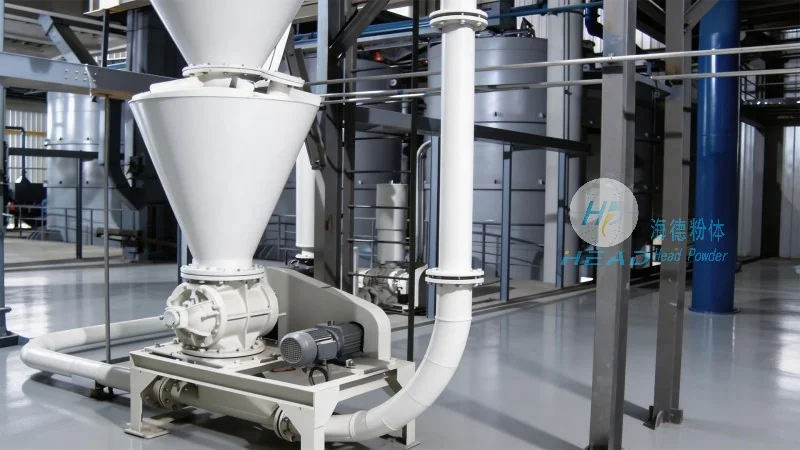
A glass fiber pneumatic conveying system typically consists of several critical components, each playing a vital role in the overall operation. These include the hopper, feeder, air mover, conveying line, and collection vessel. Each component must be carefully selected and integrated to ensure smooth material flow and minimal degradation of the glass fiber.
Glass fiber is known for its abrasive nature and tendency to generate static electricity, which can pose challenges during handling. Designing the system to mitigate these issues is essential. For instance, using anti-static materials for the hopper and feeder can prevent material buildup and ensure consistent flow. Additionally, incorporating proper filtration and cleaning mechanisms in the conveying line helps maintain system efficiency and prevent clogging.
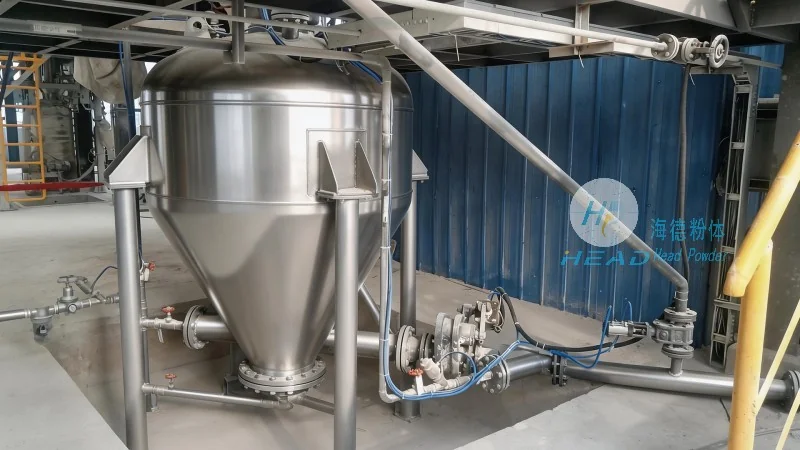
Proper system sizing is a critical factor in the design of glass fiber pneumatic conveying systems. The airflow rate must be sufficient to move the glass fiber particles through the system without causing excessive pressure drops or material degradation. Calculating the required air velocity based on the particle size, density, and system length is essential. HeadPowder, a leading engineering company based in Shandong, China, specializes in designing customized solutions that optimize airflow and minimize energy consumption.
The choice of equipment materials is paramount when handling glass fiber. Components such as hoppers, feeders, and conveying lines must be constructed from materials that can withstand the abrasive nature of glass fiber and resist corrosion. Stainless steel or specialized alloys are often preferred for these applications. Furthermore, ensuring that all moving parts are properly lubricated and maintained is crucial for extending the lifespan of the system.
Implementing robust safety features is a non-negotiable aspect of glass fiber pneumatic conveying system design. This includes proper ventilation to manage dust and fumes, as well as emergency shut-off mechanisms. Regular maintenance is also essential to prevent system failures and ensure consistent performance. HeadPowder provides comprehensive maintenance services and support to help clients maximize the operational life of their systems.
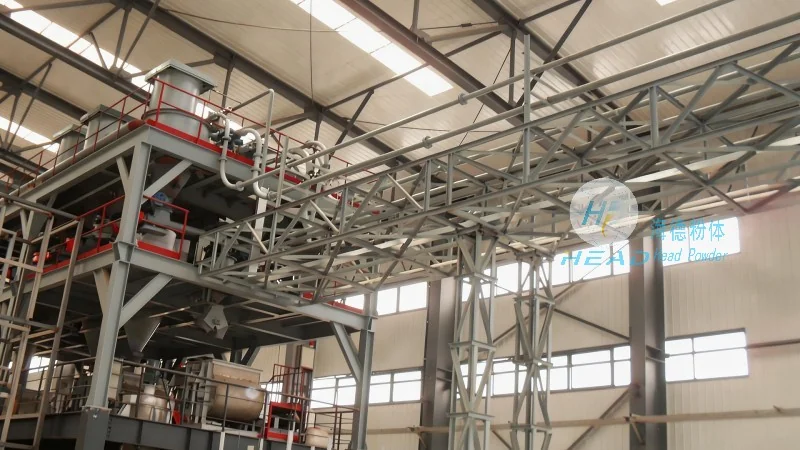
Every glass fiber application has unique requirements, making customization a key aspect of system design. Whether handling fine or coarse glass fibers, or dealing with specific processing conditions, the system must be tailored to meet these needs. HeadPowder Engineering Co., Ltd., with its headquarters in Shandong, China, offers tailored solutions that address the specific challenges of each client's operation, ensuring optimal performance and cost-effectiveness.
Designing a glass fiber pneumatic conveying system requires a careful balance of technical expertise, material knowledge, and practical experience. By addressing key considerations such as component selection, airflow management, and maintenance, engineers can create systems that are efficient, reliable, and long-lasting. HeadPowder Engineering Co., Ltd. stands as a trusted partner in this process, providing expert design and support to help clients achieve their material handling goals.

 Shandong Headpowder Engineering Co., Ltd.
 156-6277-7102(Manager Zhang)
  0531-83386006
  Zhangqiu District, Jinan City, Shandong Province, China
telephone
WeChatconsult
top