With more than 10‑year industry experience, Shandong Headpowder delivers full‑service pneumatic‑conveying systems and blowers, undertaking nationwide turn‑key powder‑handling projects.
HeadPowder, a leading engineering firm based in Shandong, China, specializes in the design and implementation of advanced material handling solutions, including pneumatic conveying systems for lithium carbonate. This article provides an in-depth exploration of the fundamental principles behind lithium carbonate pneumatic conveying, along with a detailed classification of its applications across various industrial sectors.
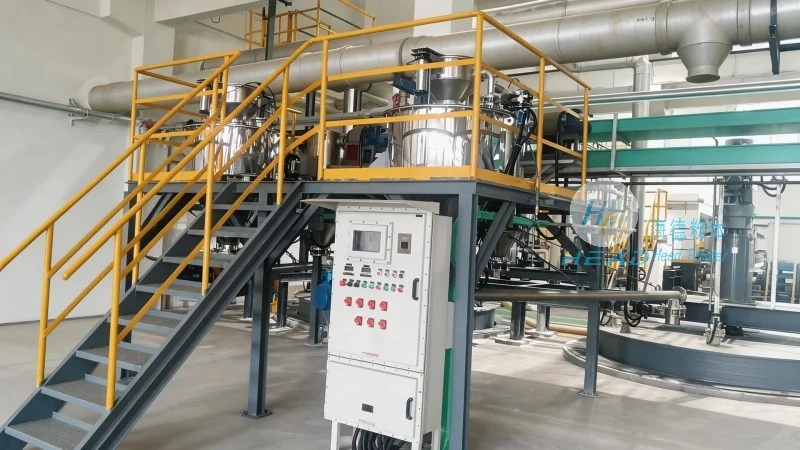
The core mechanism of lithium carbonate pneumatic conveying involves the use of pressurized air or gas to transport solid particles, such as lithium carbonate, through a pipeline system. This process typically operates on the principle of fluidization, where the air flow creates a suspended state for the particles, enabling efficient movement from the source to the destination. The system generally comprises several key components: a material feed hopper, a conveyor pipeline, a pressure vessel or receiver, and a control unit. The feed hopper holds the lithium carbonate, which is then introduced into the pipeline under controlled conditions. The air or gas, often supplied by a blower or compressor, is introduced at the inlet of the pipeline, creating a flow that lifts and transports the particles. The receiver vessel collects the conveyed material, while the control unit monitors and regulates the pressure, flow rate, and other operational parameters to ensure optimal performance. The entire system is designed to handle the specific physical properties of lithium carbonate, such as its particle size, density, and flow characteristics, to minimize issues like blockages or degradation during transport.
Lithium carbonate pneumatic conveying systems are widely utilized across multiple industries due to their versatility and efficiency. The applications can be broadly classified into several categories based on the end-use and operational requirements.
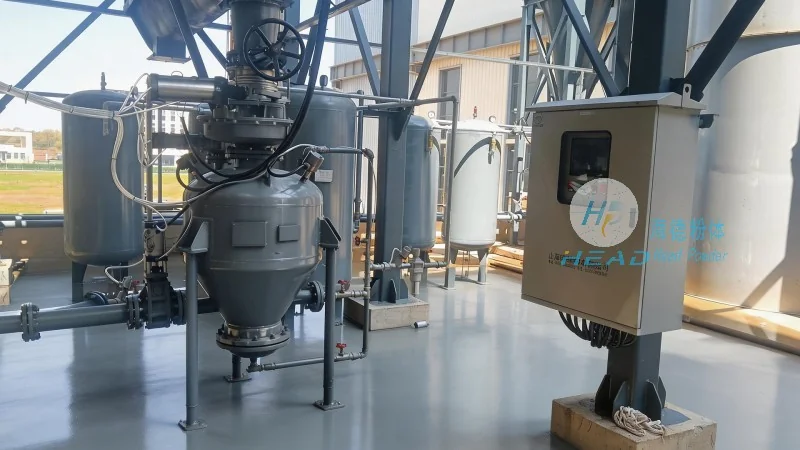
In the lithium battery manufacturing industry, lithium carbonate is a critical raw material for producing lithium-ion batteries. Pneumatic conveying systems are employed to transport lithium carbonate from storage silos to production lines, ensuring a continuous and controlled supply. The systems are designed to maintain the purity of the material, as any contamination can affect the performance of the final battery products. For instance, in large-scale battery factories, the conveying systems may handle thousands of tons of lithium carbonate annually, requiring robust and reliable equipment to meet production demands.
Lithium carbonate is also used in the pharmaceutical and chemical sectors, where it serves as an intermediate in the production of various compounds. Pneumatic conveying is preferred in these applications due to its ability to handle fine powders and maintain a sterile environment. The systems are often integrated with dust collection and filtration units to comply with regulatory standards for pharmaceutical manufacturing. This ensures that the material is conveyed without generating excessive dust, which is essential for maintaining a clean and safe working environment.
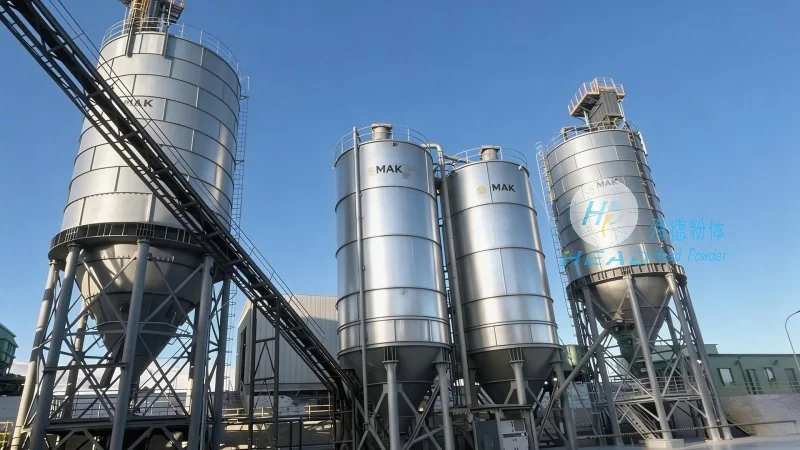
In the mining and mineral processing industry, lithium carbonate is extracted from ores and then transported to processing facilities. Pneumatic conveying systems are used to move the processed lithium carbonate from the extraction site to storage or further processing units. The systems are designed to handle the abrasive nature of the ore and the fine particles of lithium carbonate, minimizing wear and tear on the equipment. This is particularly important in industrial settings where the material may contain impurities that could cause corrosion or blockages.
Some applications of lithium carbonate pneumatic conveying involve the handling of waste materials or byproducts from other industrial processes. In such cases, the systems are used to transport the material for recycling or disposal. The technology helps in reducing the need for manual handling, which can be hazardous and inefficient. The systems are equipped with safety features to prevent dust explosions and ensure the safe transport of potentially hazardous materials.

 Shandong Headpowder Engineering Co., Ltd.
 156-6277-7102(Manager Zhang)
  0531-83386006
  Zhangqiu District, Jinan City, Shandong Province, China
telephone
WeChatconsult
top