With more than 10‑year industry experience, Shandong Headpowder delivers full‑service pneumatic‑conveying systems and blowers, undertaking nationwide turn‑key powder‑handling projects.
Coal powder pneumatic conveying systems are essential in industrial operations, particularly in power generation and material handling. These systems efficiently transport fine coal powder from storage to processing units using compressed air or gas streams. The equipment is engineered to address challenges like dust generation, particle size, and static electricity, ensuring reliable, cost-effective, and safe material transport.
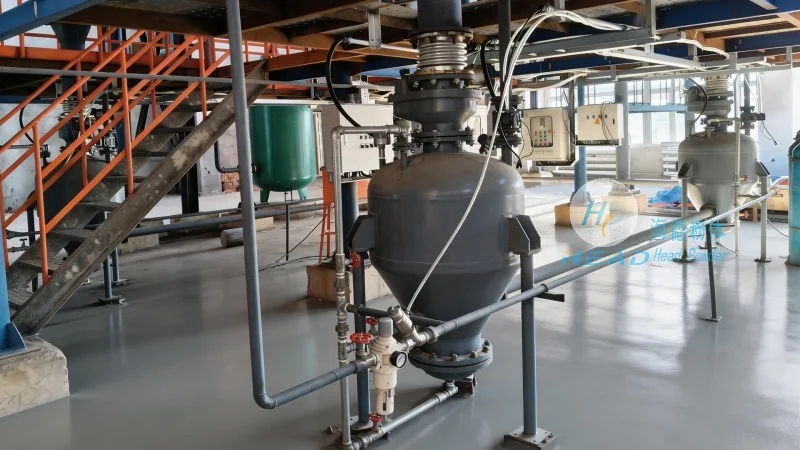
A typical system comprises key components that work together: a storage silo or hopper, a feeder, a conveying line, a dust collection system, and a receiver. These elements are integrated to maintain consistent flow, control pressure, and capture airborne dust. Additional features may include pressure vessels, air compressors, and control panels to manage the process.
1. Coal Storage Silo/Hopper: This component stores coal powder, typically made of corrosion-resistant steel. It features a cone bottom or rotary valve to control discharge, ensuring steady material flow.
2. Feeder: The feeder regulates coal flow from the silo to the conveying line. Options like rotary valves, screw feeders, or vibratory feeders maintain consistent feed rates, preventing blockages and optimizing pressure.
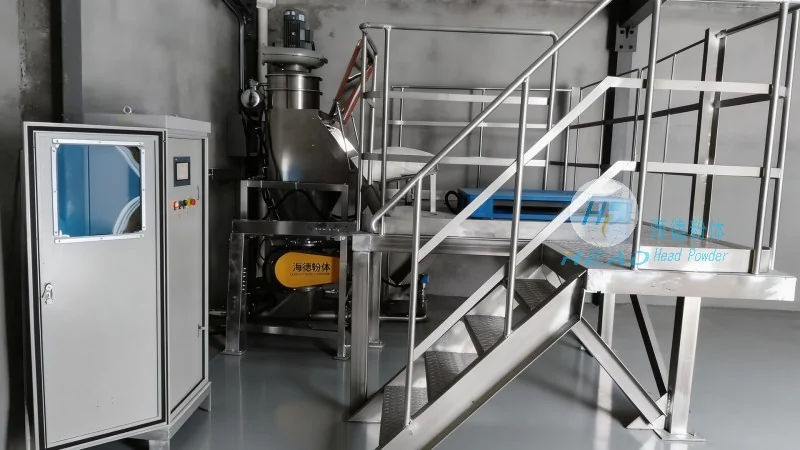
3. Conveying Line: The metal pipe system transports the coal-air mixture. It includes bends, elbows, and straight sections, with internal liners to reduce wear from abrasive particles. Pressure relief or check valves prevent backflow and overpressure.
4. Dust Collection System: A baghouse or cartridge filter captures airborne dust, improving air quality and preventing line blockages or equipment damage.
5. Receiver/Discharge Point: The final component holds received coal, often a hopper with a rotary valve or gate valve to control discharge into the next processing stage.
The system operates on fluid dynamics principles, creating a pressure differential with compressed air to propel coal particles. The conveying velocity must exceed the "critical velocity" to overcome gravity and prevent particle settling. Pressure drop across the line is minimized by optimizing pipe design and flow rates, reducing energy consumption and wear.
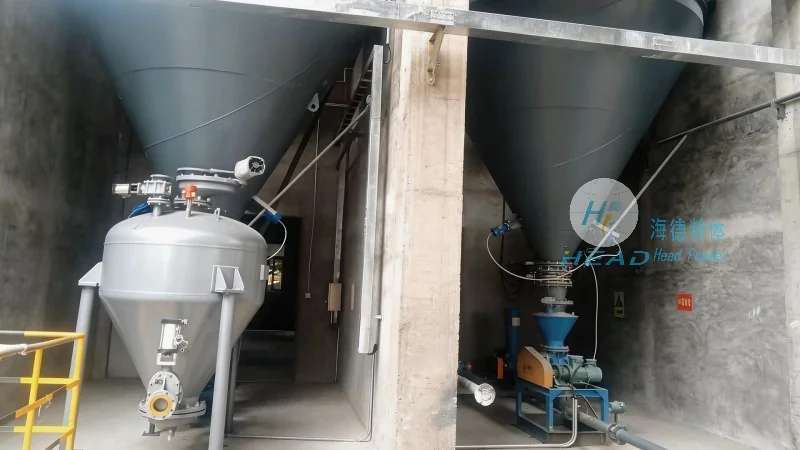
Safety and control mechanisms, such as pressure sensors and alarms, monitor system conditions. These features prevent overpressure, detect blockages, and enable immediate corrective actions to protect equipment and material.
These systems are widely used in power plants, cement factories, and chemical facilities. Benefits include improved efficiency, reduced labor costs, and enhanced workplace safety compared to traditional methods. They also minimize dust exposure, prevent material segregation, and adapt to various plant layouts.
Coal powder pneumatic conveying systems offer a sophisticated solution for industrial material handling. By combining specialized equipment with sound structural design, they deliver reliable operation, high throughput, and low maintenance costs. Proper design and maintenance ensure long-term efficiency, making them a critical asset for optimizing industrial processes.

 Shandong Headpowder Engineering Co., Ltd.
 156-6277-7102(Manager Zhang)
  0531-83386006
  Zhangqiu District, Jinan City, Shandong Province, China
telephone
WeChatconsult
top