With more than 10‑year industry experience, Shandong Headpowder delivers full‑service pneumatic‑conveying systems and blowers, undertaking nationwide turn‑key powder‑handling projects.
Industrial alkali transport systems are critical components in various industrial processes, particularly in chemical manufacturing, food processing, and water treatment applications. These systems are designed to safely and efficiently move alkaline materials, such as caustic soda (sodium hydroxide) or other industrial alkalis, from storage to processing units. The choice of transport method significantly impacts operational efficiency, safety, and cost-effectiveness. Among the available options, pneumatic conveying stands out as a preferred solution for industrial alkali handling due to its unique advantages.
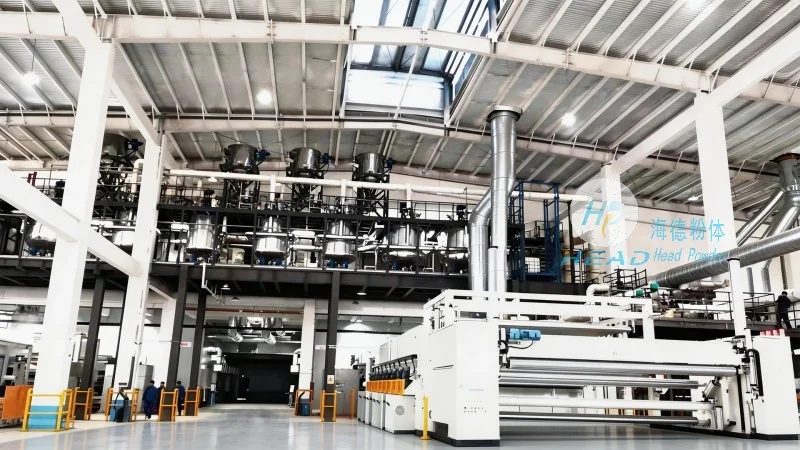
Industrial alkali transport systems encompass a range of equipment and technologies tailored to handle caustic and other alkaline substances. These systems typically include storage tanks, pumps, conveyors, and control systems. The primary goal is to ensure the safe and reliable transfer of these materials, which can be corrosive and reactive under certain conditions. Proper design and implementation of these systems are essential to prevent accidents, minimize material loss, and maintain compliance with safety regulations.
Pneumatic conveying, also known as air conveying, is a technology that uses compressed air or other gases to transport bulk materials through a pipeline. In the context of industrial alkali transport, this method offers several advantages over traditional mechanical conveyors. One of the key benefits is the ability to handle materials that are difficult to move with mechanical means, such as fine powders or granules that may be prone to caking or segregation. The system can also be designed to operate in a closed loop, reducing dust emissions and improving environmental safety.
Several distinct advantages make pneumatic conveying an ideal choice for industrial alkali transport. Firstly, it provides a high degree of safety by eliminating the need for direct human contact with the material during transfer. The enclosed system minimizes exposure to caustic fumes and dust, reducing the risk of chemical burns or respiratory issues. Secondly, pneumatic conveying offers flexibility in terms of layout and integration with existing facilities. The system can be easily adapted to different plant configurations, allowing for seamless integration with other processing equipment.
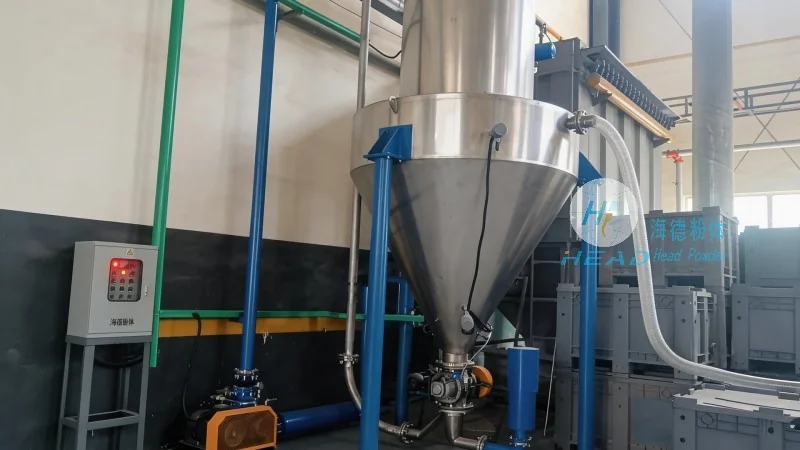
Another significant advantage is the efficiency in material handling. Pneumatic systems can transport materials over long distances with minimal energy consumption compared to other methods. This results in lower operational costs and increased productivity. Additionally, the system can handle varying flow rates and material characteristics, making it suitable for both small-scale and large-scale industrial applications.
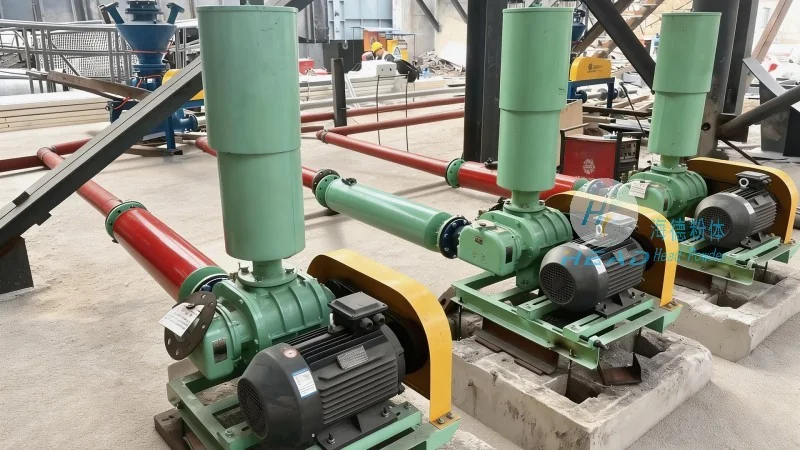
An industrial alkali pneumatic conveying system typically consists of several key components. The system starts with a storage tank or hopper where the alkali is stored. From there, the material is fed into a conveyor line using a rotary valve or feeder. The conveyor line is connected to a series of ducts or pipelines that transport the material using compressed air. The system may include a receiver or silo at the destination to collect the material. Control systems are also integrated to regulate the flow of air and material, ensuring smooth operation and preventing overloading or underflow.
Industrial alkali transport systems are widely used in various industries. In the chemical industry, these systems are essential for transporting caustic soda used in the production of soaps, detergents, and other chemical products. In the food processing industry, they are used to handle alkaline ingredients in the manufacturing of baked goods and beverages. Water treatment facilities also rely on these systems to transport caustic solutions for pH adjustment and wastewater treatment. The versatility of pneumatic conveying makes it suitable for a broad range of applications, from small-scale laboratory use to large-scale industrial production.
When selecting an industrial alkali transport system, several factors must be considered to ensure optimal performance and safety. The first consideration is the material characteristics, including particle size, density, and moisture content. These factors influence the choice of conveyor type and system design. The second factor is the distance and layout of the transport route, which determines the required air pressure and system configuration. Additionally, the system must comply with local safety regulations and environmental standards, particularly regarding dust control and emissions.
Cost is another critical factor in the selection process. While pneumatic conveying systems may have higher initial investment compared to mechanical conveyors, their long-term operational efficiency and reduced maintenance costs often make them a more economical choice. The system's reliability and durability are also important considerations, as downtime can significantly impact production schedules and profitability.
In conclusion, industrial alkali transport systems, particularly those utilizing pneumatic conveying, play a vital role in modern industrial operations. These systems offer a safe, efficient, and flexible solution for handling caustic and other alkaline materials. By understanding the key components, advantages, and considerations of such systems, industries can make informed decisions to enhance their operational performance and ensure compliance with safety and environmental regulations. As technology continues to advance, the development of more sophisticated and reliable transport systems will further improve the handling of industrial alkalis, supporting the growth and sustainability of various industrial sectors.

 Shandong Headpowder Engineering Co., Ltd.
 156-6277-7102(Manager Zhang)
  0531-83386006
  Zhangqiu District, Jinan City, Shandong Province, China
telephone
WeChatconsult
top