With more than 10‑year industry experience, Shandong Headpowder delivers full‑service pneumatic‑conveying systems and blowers, undertaking nationwide turn‑key powder‑handling projects.
For industries dealing with lithium oxide, efficient material handling is crucial for maintaining production efficiency and safety standards. The lithium oxide pneumatic conveying system is a specialized solution designed to transport this material through a pressurized air stream, offering advantages such as reduced dust exposure and improved process control. This article provides an in-depth look at the fundamental principles behind this technology, focusing on how it operates and its key components.
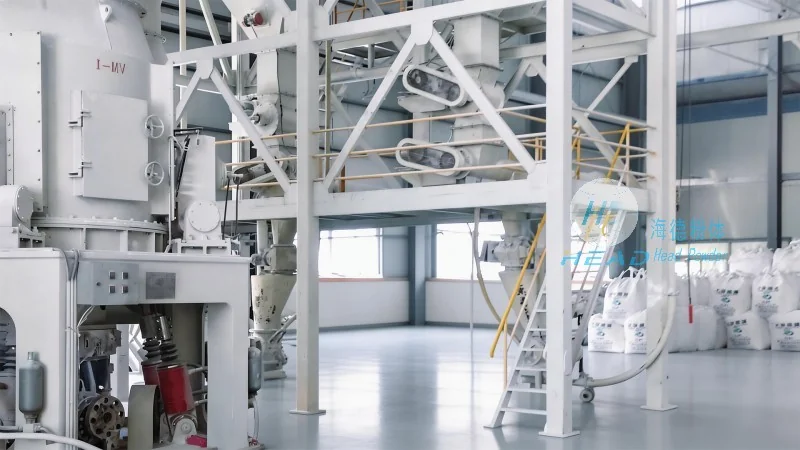
The lithium oxide pneumatic conveying system consists of several critical components that work in tandem to ensure reliable material transport. At the core is the material hopper, which stores the lithium oxide and feeds it into the system. The hopper is equipped with a feeder mechanism, typically a rotary valve or a screw feeder, that regulates the flow of material into the conveying line. This feeder is essential for controlling the rate of material discharge, preventing overloading or underloading of the system.
Next, the conveying line itself is a crucial component. It is usually made of stainless steel or other corrosion-resistant materials to handle the chemical properties of lithium oxide. The line is divided into sections, including the feed section, the transport section, and the discharge section. The feed section is where the material is introduced into the air stream, while the transport section carries the material through the system. The discharge section is where the material is released from the conveying line, often into a receiver or storage container.
Compressed air is the driving force behind the pneumatic conveying system. A blower or a positive displacement compressor provides the necessary pressure and airflow to move the material. The air is introduced into the conveying line at the feed point, where it mixes with the lithium oxide particles. The air velocity is carefully controlled to ensure that the material is carried along without causing excessive wear or degradation. The system may also include a filter or a cyclone separator to remove any fine particles from the air stream, ensuring that the air is clean and safe for the environment.
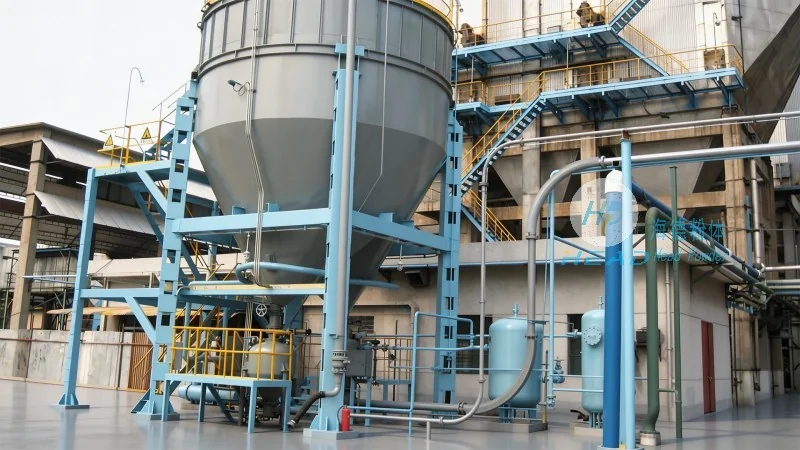
The operation of the lithium oxide pneumatic conveying system follows a simple yet effective principle: the material is suspended in a high-velocity air stream and transported through the conveying line. When the compressed air is introduced into the feed section, it creates a low-pressure zone that draws the material from the hopper into the air stream. The air velocity is maintained at a level that is sufficient to keep the lithium oxide particles suspended, preventing them from settling out of the air stream. As the material travels through the transport section, it is carried along by the air, reaching the discharge section where it is collected.
The system operates under positive pressure, meaning that the air pressure inside the conveying line is higher than the ambient air pressure. This positive pressure helps to prevent dust from escaping and ensures that the material is contained within the system. The pressure is typically maintained at a level that is sufficient to overcome the resistance of the conveying line and the material's density. The system may also include pressure relief valves to prevent over-pressurization and ensure safe operation.
The efficiency of the pneumatic conveying system depends on several factors, including the air velocity, the material's properties, and the system's design. The air velocity must be high enough to keep the material suspended but not so high that it causes excessive wear or energy consumption. The material's properties, such as its density, particle size, and moisture content, also affect the system's performance. For example, larger or heavier particles may require higher air velocities to be transported effectively. The system's design, including the length and diameter of the conveying line, the number of bends, and the type of feeder, all play a role in determining the system's efficiency and capacity.
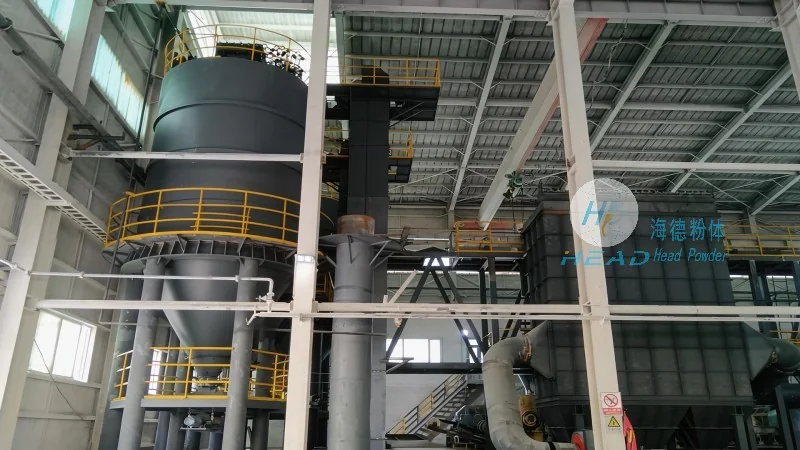
There are several advantages to using a pneumatic conveying system for lithium oxide transport. One of the main advantages is the reduction in dust exposure. Unlike traditional methods such as belt conveyors or bucket elevators, which can generate significant dust, the pneumatic system encloses the material in an air stream, minimizing dust emissions and improving workplace safety. This is particularly important for lithium oxide, which can be a respiratory hazard if inhaled.
Another advantage is the improved process control. The pneumatic system allows for precise control over the flow rate of the material, which is essential for maintaining consistent product quality. The system can be easily integrated with other process equipment, such as mixers or reactors, to create a seamless production line. This integration helps to reduce downtime and improve overall production efficiency.
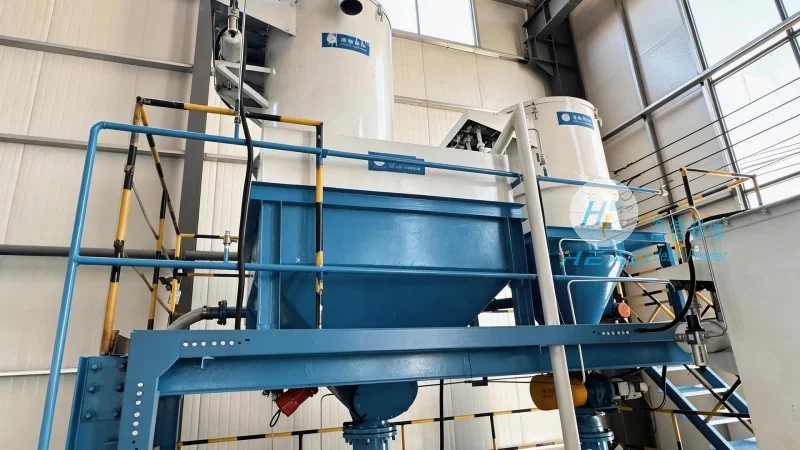
The system also offers flexibility in terms of layout. Since the conveying line is a flexible tube, it can be routed around obstacles and through different levels, making it suitable for complex production facilities. The system can be designed to handle different material types and sizes, making it a versatile solution for various applications.
Finally, the pneumatic conveying system is relatively low maintenance compared to other material handling systems. The components are enclosed and protected from the environment, reducing the risk of wear and tear. The system also requires less space than other methods, making it suitable for facilities with limited floor space.
Lithium oxide pneumatic conveying systems are widely used in various industries that require the transport of this material. One of the primary applications is in the battery manufacturing industry, where lithium oxide is used as a key component in lithium-ion batteries. The system is used to transport the material from storage to the battery production line, ensuring that the material is delivered in a controlled and efficient manner.

 Shandong Headpowder Engineering Co., Ltd.
 156-6277-7102(Manager Zhang)
  0531-83386006
  Zhangqiu District, Jinan City, Shandong Province, China
telephone
WeChatconsult
top