With more than 10‑year industry experience, Shandong Headpowder delivers full‑service pneumatic‑conveying systems and blowers, undertaking nationwide turn‑key powder‑handling projects.
Shandong HeadPowder Engineering Co., Ltd., commonly known as headpowder, is a professional manufacturer specializing in the design, development, and production of pneumatic conveying equipment. With a strong focus on innovation and precision engineering, the company has established itself as a leading supplier in the carbonaceous materials handling industry. Headquartered in Shandong, China, the company leverages its deep industry knowledge and technical expertise to deliver high-quality solutions tailored to the unique needs of its clients.
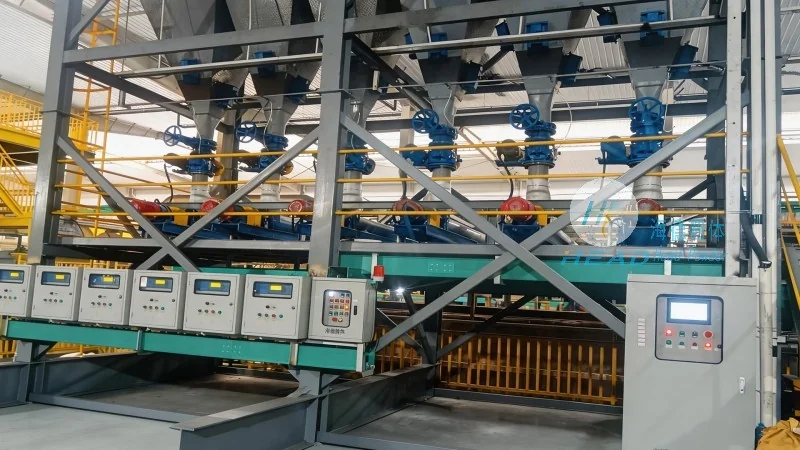
At headpowder, our core product line includes advanced pneumatic conveying systems specifically engineered for the efficient and reliable transport of carbonaceous materials. These systems are designed to handle a wide range of carbon-based substances, including graphite, carbon black, activated carbon, and other similar powders and bulk materials. The equipment is built with robust materials and advanced control technologies to ensure optimal performance under various operational conditions.
The operation of pneumatic conveying equipment for carbonaceous materials typically involves several key steps. First, the material is fed into the system through a hopper or feeder, ensuring a consistent and controlled flow. Next, a vacuum or pressure source is activated to create the necessary airflow, which draws the material particles into the conveying line. The material is then transported through the pipeline to the destination point, such as a storage silo or processing unit. The system is equipped with sensors and control mechanisms to monitor the flow rate, pressure, and other critical parameters, allowing for real-time adjustments to maintain optimal performance. Finally, the material is discharged from the system, completing the conveying cycle.
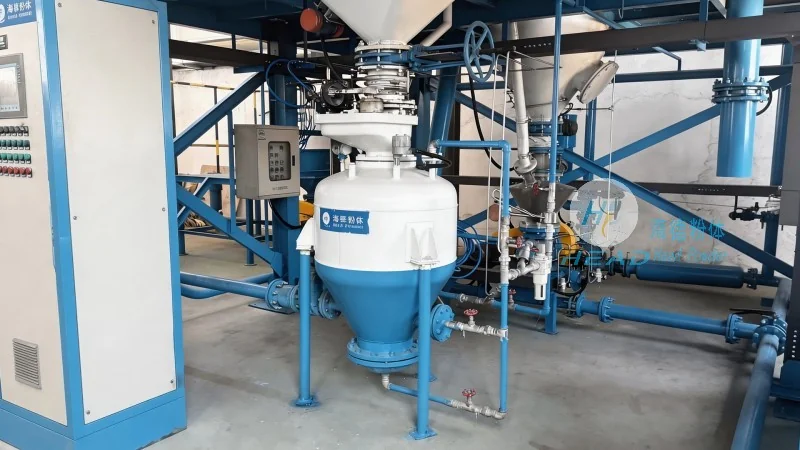
The working principle of pneumatic conveying equipment relies on the fundamental concept of fluidization and transport by air. In a vacuum system, the air is drawn into the conveying line, creating a negative pressure that pulls the material particles along with it. In a pressure system, the air is forced into the line, pushing the material forward. The design of the conveying line, including the use of bends, elbows, and special fittings, is crucial to minimize pressure drop and ensure smooth material flow. The system also incorporates filtration and separation components to prevent material buildup and maintain air quality. By combining these elements, the equipment effectively transports carbonaceous materials with minimal loss and maximum efficiency.
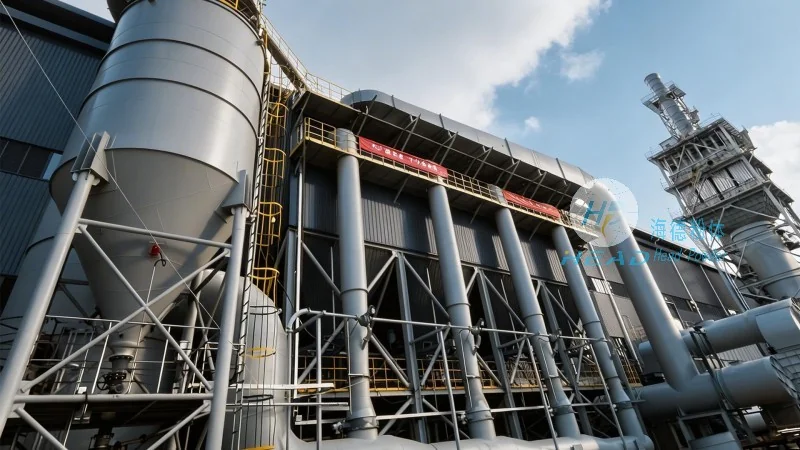
1. Material Preparation: The carbonaceous material is prepared in a hopper or storage silo, where it is stored under controlled conditions to prevent caking or agglomeration. The material is then fed into the conveying system via a rotary valve or feeder, ensuring a uniform flow rate. 2. Airflow Generation: A vacuum or pressure pump generates the necessary airflow. In vacuum systems, the pump creates a negative pressure that draws the material into the pipeline. In pressure systems, the pump forces air into the line, pushing the material forward. 3. Conveying Process: The material particles are suspended in the air stream and transported through the pipeline. The design of the pipeline, including the use of straight sections, bends, and special fittings, is optimized to minimize pressure loss and ensure smooth material movement. 4. Monitoring and Control: Sensors and control systems monitor parameters such as pressure, flow rate, and material level. These systems allow for real-time adjustments to maintain optimal performance and prevent system failures. 5. Discharge and Collection: The material is discharged from the conveying line into a receiving hopper or storage container. The system may include filtration and separation components to remove any residual material from the air stream, ensuring clean operation.
The effectiveness of pneumatic conveying equipment for carbonaceous materials is based on several key technical principles. First, the concept of fluidization, where the material particles are suspended in the air stream, allows for efficient transport. Second, the use of appropriate air velocity ensures that the material particles remain suspended without settling or clogging the pipeline. Third, the design of the conveying line, including the selection of pipe diameter and material, is critical to minimize pressure drop and energy consumption. Additionally, the system incorporates features like pulse-jet cleaning and air filtration to maintain system performance and prevent material buildup. By integrating these principles, the equipment provides reliable and efficient transport of carbonaceous materials, meeting the demands of modern industrial applications.

 Shandong Headpowder Engineering Co., Ltd.
 156-6277-7102(Manager Zhang)
  0531-83386006
  Zhangqiu District, Jinan City, Shandong Province, China
telephone
WeChatconsult
top