With more than 10‑year industry experience, Shandong Headpowder delivers full‑service pneumatic‑conveying systems and blowers, undertaking nationwide turn‑key powder‑handling projects.
Wool material pneumatic conveying equipment represents a sophisticated solution for the efficient and safe transportation of wool fibers and related materials within textile processing facilities. As a critical component in modern manufacturing workflows, this equipment is designed to enhance productivity, reduce operational costs, and maintain the quality of wool materials throughout the handling process. Understanding the operation process and working principle of such systems is essential for optimizing their performance and ensuring they meet the specific requirements of wool processing applications.
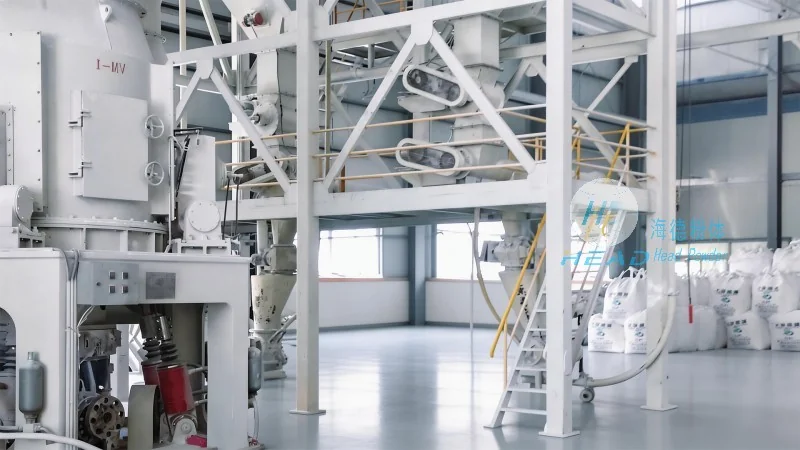
HeadPowder, a prominent manufacturer based in Shandong, China, specializes in the design, development, and production of advanced pneumatic conveying equipment. With a strong commitment to innovation and quality, the company has established itself as a leading provider in the textile machinery sector. HeadPowder's expertise lies in creating customized solutions that address the unique challenges of wool material handling, ensuring that their products are reliable, durable, and tailored to the needs of their clients. The company's headquarters and manufacturing facilities are located in Shandong, where they leverage local resources and expertise to deliver high-quality equipment to the global market.
The wool material pneumatic conveying system comprises several interrelated components that work together to achieve effective material transport. The primary components include the material hopper, air compressor or blower, conveying pipeline network, and the receiving hopper or processing unit. The material hopper serves as the initial storage container, where raw wool or processed fibers are loaded before being introduced into the system. The air compressor generates the necessary airflow, which can be either suction or pressure-based, depending on the system configuration. The conveying pipeline network connects the hopper to the receiving point, with the design of the pipes and bends optimized to minimize material loss and pressure drop. The receiving hopper collects the transported wool material, allowing for further processing or storage. Each component is engineered to handle the specific properties of wool, such as its lightweight nature, tendency to generate static electricity, and susceptibility to damage from mechanical contact.
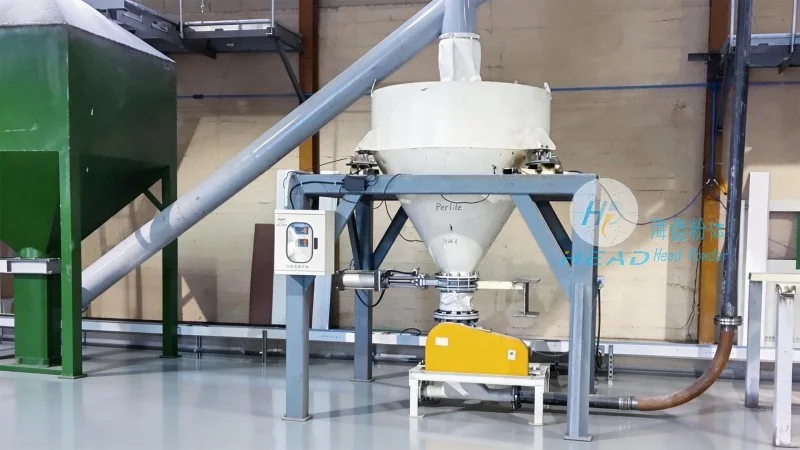
The working principle of wool material pneumatic conveying equipment is based on the fundamental physics of fluid dynamics and material transport. In the suction mode, the system creates a negative pressure within the conveying pipeline, drawing air and wool material from the source hopper. The air velocity is carefully controlled to ensure that the wool fibers are entrained in the airflow without being damaged or broken. In the pressure mode, compressed air is used to push the material through the pipeline, with the air pressure maintained at a level sufficient to overcome friction and resistance within the system. The key to efficient transport is maintaining an appropriate air-to-material ratio, which ensures that the wool fibers are carried at a consistent velocity without excessive turbulence or deposition. This method eliminates the need for mechanical components like belts, chains, or conveyors, reducing the risk of material contamination and minimizing maintenance requirements.
The operation process of wool material pneumatic conveying equipment involves a series of sequential steps that ensure continuous and reliable material handling. The process begins with the loading of raw wool or processed fibers into the supply hopper. Once the hopper is filled, the system's air compressor is activated, generating the required airflow. The material is then drawn into the conveying pipeline by the suction or pressure action, depending on the system design. The wool fibers travel through the pipeline network, passing through various bends and fittings that are designed to minimize pressure loss and material degradation. The receiving hopper is positioned at the end of the pipeline, where the transported wool material is deposited. The system continuously monitors the airflow and material flow rates, adjusting the air pressure or velocity as needed to maintain optimal performance. This automated process reduces the need for manual intervention, allowing operators to focus on other tasks while the equipment handles the material transport efficiently. The entire operation is designed to be seamless, with minimal downtime and maximum throughput, making it an integral part of modern textile production lines.
Adopting wool material pneumatic conveying equipment offers numerous benefits that contribute to improved operational efficiency and cost savings. One of the primary advantages is the significant reduction in labor costs, as the system automates the material handling process, eliminating the need for manual loading and unloading. This not only reduces the risk of workplace injuries but also increases productivity by allowing the equipment to operate continuously without breaks. Another key benefit is the enhanced safety of the process, as wool fibers are handled in a closed system, preventing dust exposure and minimizing the risk of fire or static discharge. The equipment also helps maintain the quality of the wool material by preventing contamination from external sources and reducing mechanical damage during transport. Additionally, the compact design of the system saves valuable floor space in industrial facilities, making it suitable for both large-scale and small-scale textile operations. The versatility of the equipment allows it to be integrated into existing production lines or used as a standalone solution, providing flexibility in its application.
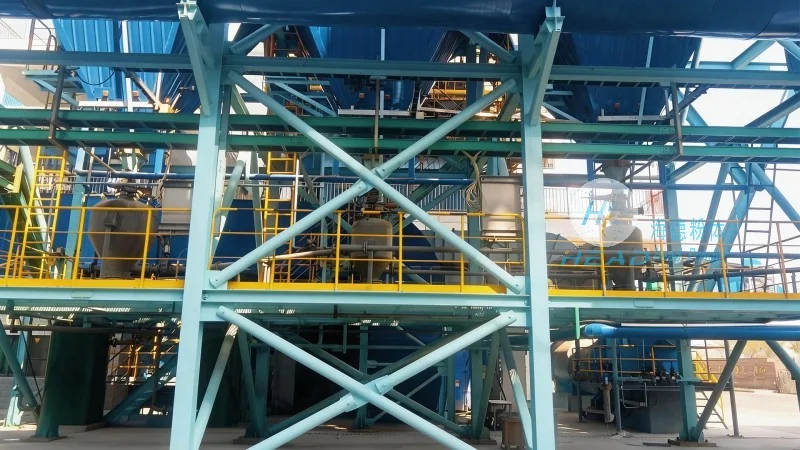
Wool material pneumatic conveying equipment is widely utilized in various stages of textile manufacturing, from raw material handling to finished product processing. For example, in a wool spinning facility, the equipment can be used to transport raw wool from storage silos to the carding machines, ensuring a steady supply of material for processing. In a wool weaving plant, the system can move processed wool fibers from the spinning department to the weaving looms, streamlining the production workflow. Case studies from textile manufacturers have shown that implementing such equipment can lead to a 20-30% increase in production efficiency and a reduction in material handling costs by up to 40%. These results highlight the effectiveness of the system in improving overall operational performance and profitability. The equipment's adaptability also allows it to handle different types of wool materials, including natural wool, synthetic blends, and recycled wool, making it a versatile solution for modern textile industries.
To ensure the longevity and optimal performance of wool material pneumatic conveying equipment, regular maintenance and proper operational practices are essential. Routine maintenance tasks include cleaning the hopper and pipeline to prevent material buildup, which can cause blockages and reduce airflow efficiency. The air compressor and blower should be inspected regularly for proper operation, with filters and components replaced as needed to maintain air quality and system performance. Seals and connections in the pipeline network should be checked for any signs of wear or leakage, as these can lead to pressure loss and material loss. Additionally, monitoring the system's pressure and airflow levels can help identify potential issues early, allowing for timely repairs and preventing major breakdowns. Proper training of operators on the equipment's operation and maintenance procedures is crucial for maximizing its performance and minimizing downtime. Operators should be trained to recognize signs of system inefficiency, such as reduced airflow or material deposition, and know how to adjust the system settings accordingly. By following these maintenance and operational best practices, textile manufacturers can ensure that their wool material pneumatic conveying equipment operates at peak efficiency for years to come, delivering consistent performance and value.

 Shandong Headpowder Engineering Co., Ltd.
 156-6277-7102(Manager Zhang)
  0531-83386006
  Zhangqiu District, Jinan City, Shandong Province, China
telephone
WeChatconsult
top