With more than 10‑year industry experience, Shandong Headpowder delivers full‑service pneumatic‑conveying systems and blowers, undertaking nationwide turn‑key powder‑handling projects.
HeadPowder, a leading manufacturer based in Shandong, China, specializes in the design and production of advanced pneumatic conveying systems tailored for handling rapeseed and other bulk materials. This article provides a detailed overview of the operational process and working principles of their rapeseed material pneumatic conveying equipment, highlighting key components, system flow, and the efficiency of the technology.
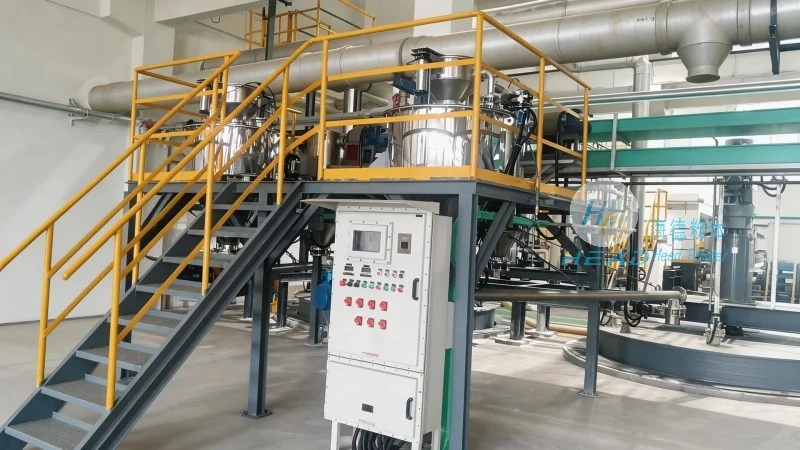
HeadPowder Engineering Co., Ltd., headquartered in Shandong, China, is dedicated to delivering high-performance pneumatic conveying solutions for the agricultural and food processing industries. Their rapeseed material pneumatic conveying equipment is engineered to efficiently transport rapeseed from storage silos, processing lines, or storage areas to various destinations such as processing units, packaging stations, or storage facilities. The system combines the advantages of pneumatic transport, including low maintenance, minimal product contamination, and the ability to handle a wide range of bulk materials, making it an ideal choice for rapeseed handling applications.
The rapeseed material pneumatic conveying equipment from HeadPowder typically consists of several critical components that work in tandem to ensure smooth and efficient material transport. These components include the material hopper, which serves as the storage and feeding unit; the air compressor or blower, which generates the necessary air pressure to move the material; the conveying line, which is usually made of flexible or rigid tubing to direct the material flow; and the control system, which monitors and regulates the air pressure, flow rate, and material feed to maintain optimal operation.
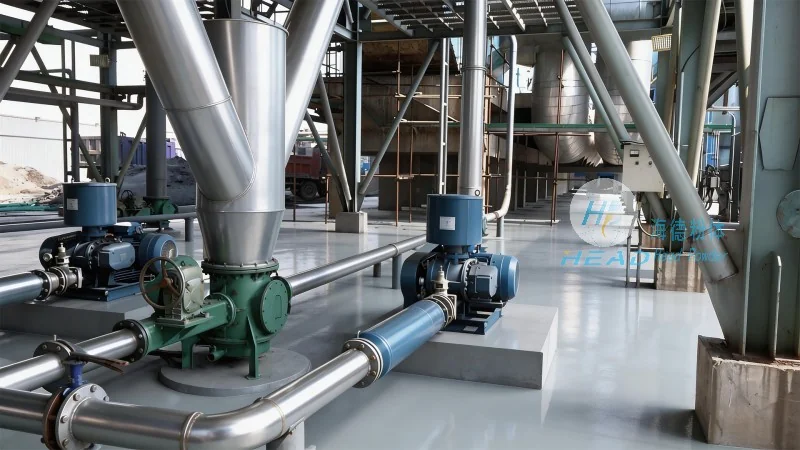
The operation of the rapeseed material pneumatic conveying system begins with the loading of rapeseed into the material hopper. The hopper is equipped with a feeder mechanism, such as a rotary valve or a screw conveyor, which controls the rate at which the rapeseed is released into the conveying line. Simultaneously, the air compressor or blower starts operating, generating a high-pressure air stream that flows through the conveying line. As the air moves through the line, it creates a vacuum or positive pressure environment that pulls or pushes the rapeseed particles along the tube. The combination of air velocity and material particle size determines the conveying efficiency, with the system designed to handle different rapeseed qualities and moisture levels without compromising performance.

The operational process of the rapeseed material pneumatic conveying equipment involves several sequential steps that ensure consistent and reliable material transport. First, the rapeseed is loaded into the hopper, and the feeder is activated to regulate the material flow. Next, the air compressor is started, and the control system adjusts the air pressure to the optimal level for the specific material and system configuration. As the air and rapeseed mixture travels through the conveying line, the material is transported to the destination point, such as a processing unit or storage silo. The system continuously monitors the pressure and flow rates, allowing for real-time adjustments to maintain efficiency and prevent blockages or system failures. Finally, the material is discharged at the receiving end, completing the transport cycle.
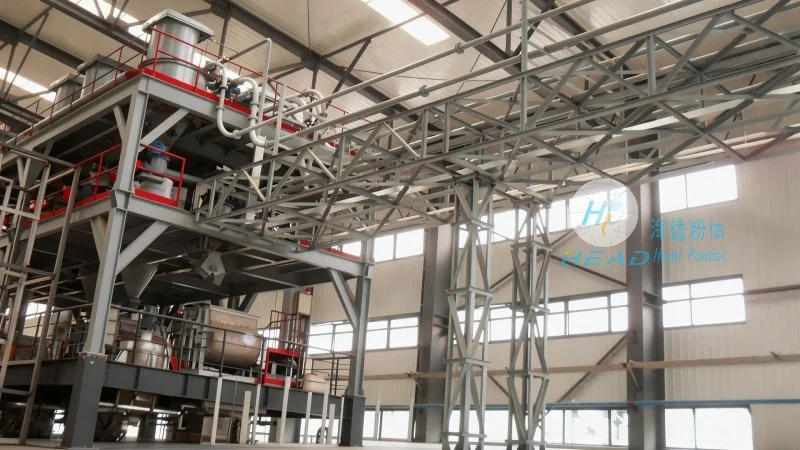
HeadPowder's rapeseed material pneumatic conveying equipment offers several advantages over traditional mechanical conveying methods. The system eliminates the need for moving parts in the conveying line, reducing maintenance requirements and minimizing the risk of product contamination. Additionally, the flexible design allows for easy integration into existing processing lines or new facility layouts, providing versatility and adaptability. The technology also ensures minimal product degradation, as the material is transported in a controlled environment with minimal impact or friction. Furthermore, the system can handle varying rapeseed qualities, including different sizes, moisture contents, and impurity levels, making it suitable for diverse agricultural and industrial applications.
HeadPowder Engineering Co., Ltd., based in Shandong, China, provides advanced rapeseed material pneumatic conveying equipment that combines efficiency, reliability, and adaptability for modern agricultural and food processing operations. By understanding the operation process and working principles of this technology, users can optimize their material handling systems, improve productivity, and ensure consistent quality in rapeseed processing. The company's commitment to innovation and quality ensures that their pneumatic conveying solutions meet the evolving needs of the industry, delivering long-term value and performance.

 Shandong Headpowder Engineering Co., Ltd.
 156-6277-7102(Manager Zhang)
  0531-83386006
  Zhangqiu District, Jinan City, Shandong Province, China
telephone
WeChatconsult
top