With more than 10‑year industry experience, Shandong Headpowder delivers full‑service pneumatic‑conveying systems and blowers, undertaking nationwide turn‑key powder‑handling projects.
For industrial applications involving the handling of light calcium material, efficient and reliable material transport is crucial. Pneumatic conveying equipment, specifically designed for such applications, offers a solution that combines performance with operational simplicity. This article delves into the operation process and working principle of such equipment, highlighting its benefits and practical implementation in industrial settings.
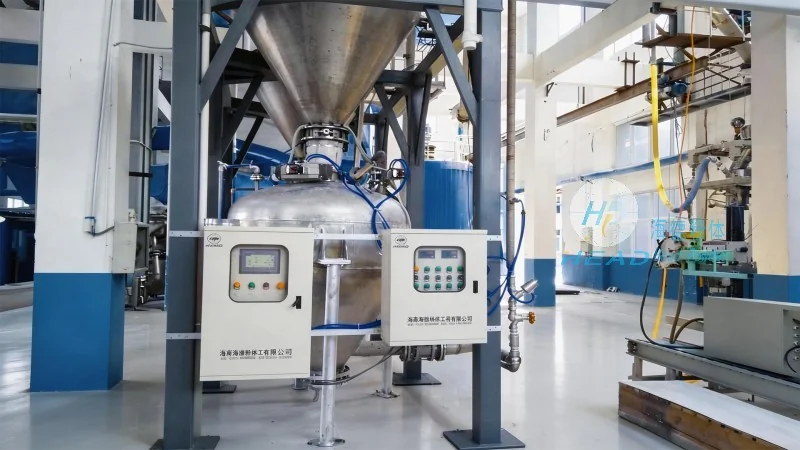
Pneumatic conveying systems are widely used in the chemical and material processing industries to transport bulk materials like light calcium, which is known for its low density and fine particle size. These systems utilize air or gas as the conveying medium to move materials from one location to another without the need for mechanical components like belts or screws. The technology is particularly advantageous for light calcium due to its sensitivity to handling and the need for dust-free or controlled environment transport.
The pneumatic conveying equipment for light calcium typically consists of several key components that work in tandem to ensure efficient material transport. These components include a material hopper, a feeding mechanism, a conveying line, a receiver, and a blower or compressor. Each component plays a critical role in the overall operation of the system.
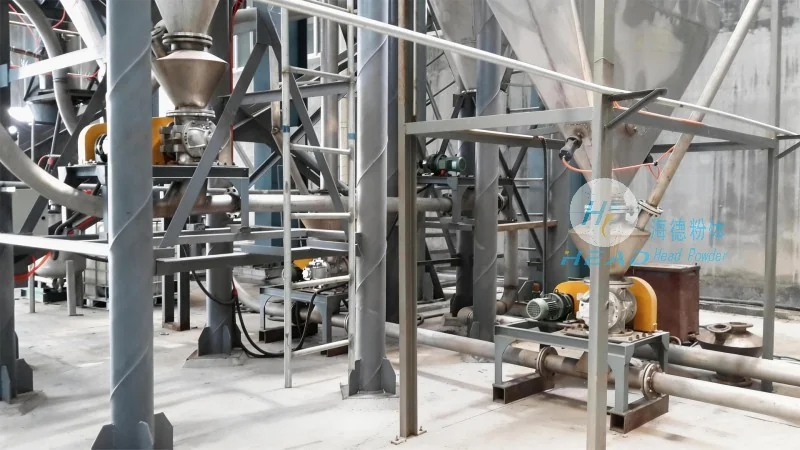
The core principle behind pneumatic conveying is the use of air pressure to create a flow of material. The process begins with the material being fed from the hopper into the conveying line. As the material enters the line, a high-pressure air stream is introduced, which lifts and propels the particles forward. The air and material mixture travels through the pipeline until it reaches the receiver, where the material is separated from the air and collected. The air is then typically filtered and recycled back into the system to maintain efficiency and reduce energy consumption.
The operation of the pneumatic conveying system for light calcium involves several sequential steps that ensure smooth and continuous material transport. First, the material is stored in the hopper, which is equipped with a level indicator to monitor the material inventory. When the material level drops below a certain threshold, the feeding mechanism activates, releasing the material into the conveying line. Simultaneously, the blower or compressor starts, generating the necessary air pressure to initiate the conveying process. The material is then transported through the pipeline at a controlled velocity, ensuring that the particles are not damaged or agglomerated. Upon reaching the receiver, the material is discharged into a storage or processing container. The air, now containing any fine particles, passes through a filter system to remove dust before being recirculated back to the blower, completing the cycle.
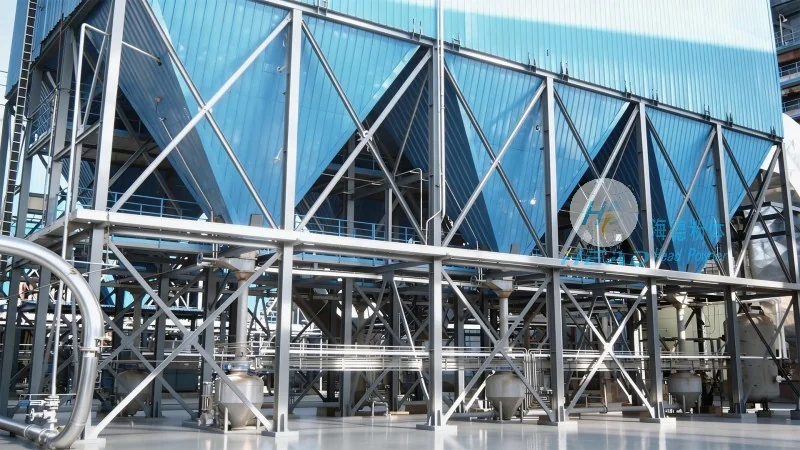
Implementing pneumatic conveying for light calcium material offers several advantages over traditional mechanical conveying methods. These benefits include reduced material handling time, improved safety due to enclosed systems, and the ability to transport materials over long distances without the need for intermediate storage. Additionally, the system minimizes material degradation and dust exposure, which is critical for maintaining product quality and worker safety. The flexibility of pneumatic conveying also allows for easy integration with other processing equipment, enhancing overall operational efficiency.
Pneumatic conveying equipment for light calcium is commonly used in various industrial applications, including the production of calcium carbonate products, pharmaceuticals, and food additives. In these applications, the equipment is integrated into production lines to transport raw light calcium from storage silos to processing units, such as grinding or mixing equipment. The system's ability to handle fine particles and maintain a clean environment makes it ideal for industries where product purity and consistency are paramount. Furthermore, the equipment can be customized to meet specific operational requirements, such as varying material flow rates or distance of transport, making it a versatile solution for diverse industrial needs.
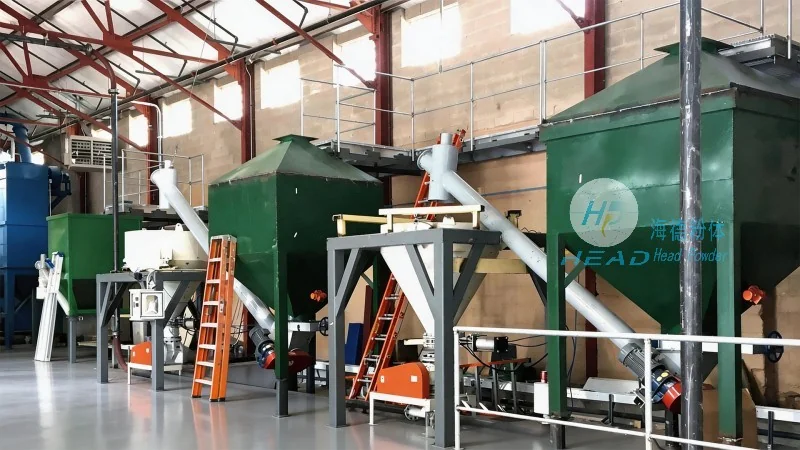
To ensure the long-term performance and reliability of the pneumatic conveying system, regular maintenance and proper operational considerations are essential. This includes monitoring the air pressure and flow rates to maintain optimal conveying conditions, cleaning the filter system to prevent clogging, and inspecting the conveying line for any signs of wear or damage. Additionally, the system should be equipped with safety features, such as pressure relief valves and dust collection systems, to protect both the equipment and personnel from potential hazards. Proper training of operators on the system's operation and maintenance procedures is also crucial to maximize the equipment's lifespan and minimize downtime.
Pneumatic conveying equipment for light calcium material represents a sophisticated and efficient solution for industrial material transport. By understanding the working principle and operation process of such systems, industries can leverage this technology to enhance productivity, improve product quality, and ensure safe and reliable material handling. With the right design and maintenance, pneumatic conveying systems can provide long-term benefits, making them a valuable investment for companies operating in the light calcium processing sector.

 Shandong Headpowder Engineering Co., Ltd.
 156-6277-7102(Manager Zhang)
  0531-83386006
  Zhangqiu District, Jinan City, Shandong Province, China
telephone
WeChatconsult
top