With more than 10‑year industry experience, Shandong Headpowder delivers full‑service pneumatic‑conveying systems and blowers, undertaking nationwide turn‑key powder‑handling projects.
Shandong HeadPowder Engineering Co., Ltd. specializes in the design, manufacturing, and installation of advanced pneumatic conveying systems tailored for rice material handling. These systems are engineered to efficiently transport rice from storage silos, processing lines, or packaging areas with minimal human intervention and optimal material integrity. The equipment is built to meet the specific demands of rice processing industries, ensuring consistent performance and reliability in various operational conditions.
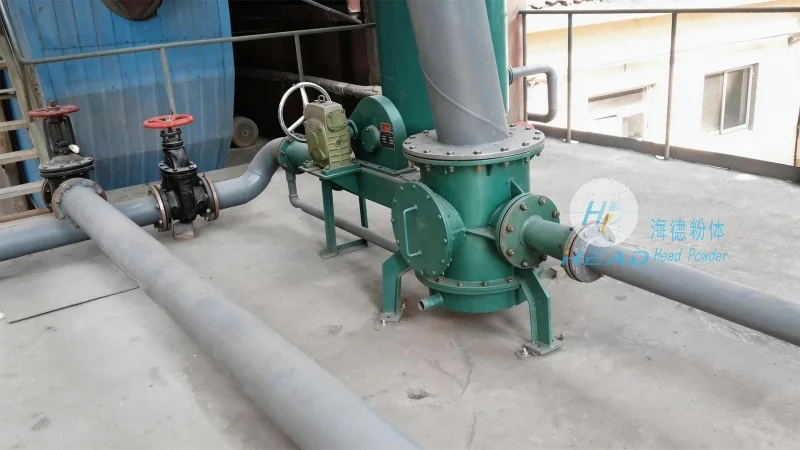
The pneumatic conveying equipment for rice material typically consists of several critical components that work in tandem to achieve seamless material transport. These include a hopper or feeder to introduce the rice into the system, a blower or air compressor to generate the necessary air pressure, a pipeline network to guide the material flow, and a receiver or discharge hopper to collect the conveyed rice. Each component is meticulously designed to handle the unique characteristics of rice, such as its density, moisture content, and susceptibility to breakage during transport.
The operation process of the rice material pneumatic conveying system begins with the loading of rice into the hopper. The feeder then regulates the flow of rice into the pipeline, ensuring a consistent feed rate. Simultaneously, the blower generates a high-pressure air stream that propels the rice particles through the pipeline. As the rice travels through the system, it is carried by the air current, maintaining its integrity and preventing clogging or blockages. The receiver at the end of the pipeline collects the conveyed rice, which can then be further processed or packaged. The entire process is automated, with sensors and controls monitoring the system's performance to maintain optimal operation.
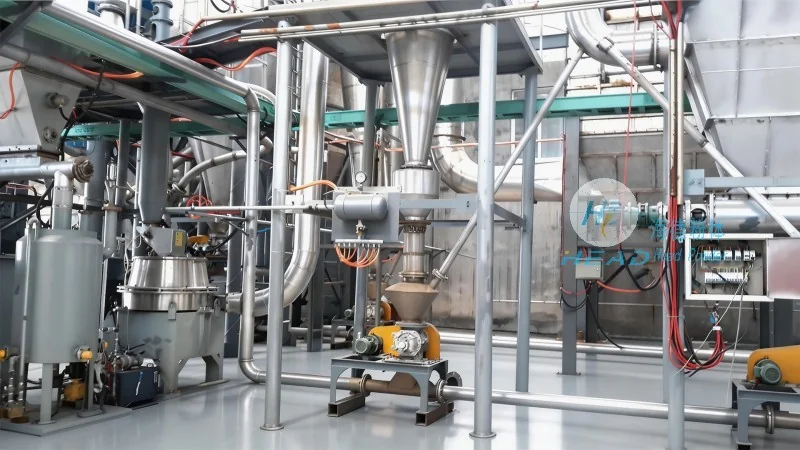
The working principle of the pneumatic conveying equipment for rice material is based on the use of air as the conveying medium. The system operates by creating a pressure differential between the hopper and the receiver. The blower supplies compressed air into the pipeline, creating a high-pressure environment that draws the rice particles into the air stream. The rice particles are then suspended and transported along the pipeline due to the air's kinetic energy. The design of the pipeline, including bends and fittings, is optimized to minimize pressure loss and maintain the air flow efficiency. The receiver is equipped with a venting system to release excess air and maintain a stable pressure, ensuring the rice is discharged smoothly and without residue.
Implementing pneumatic conveying systems for rice material offers several advantages over traditional methods like belt conveyors or bucket elevators. These systems provide a dust-free and hygienic environment, which is crucial for maintaining the quality and safety of rice products. The enclosed pipeline design prevents contamination from external sources and reduces the risk of product spoilage. Additionally, pneumatic conveying is highly flexible, allowing for easy reconfiguration of the system to accommodate changes in production volume or layout. The equipment is also energy-efficient, as the air used for conveying can be recycled and reused, reducing operational costs. Furthermore, the automated nature of the system minimizes labor requirements and enhances overall operational efficiency.
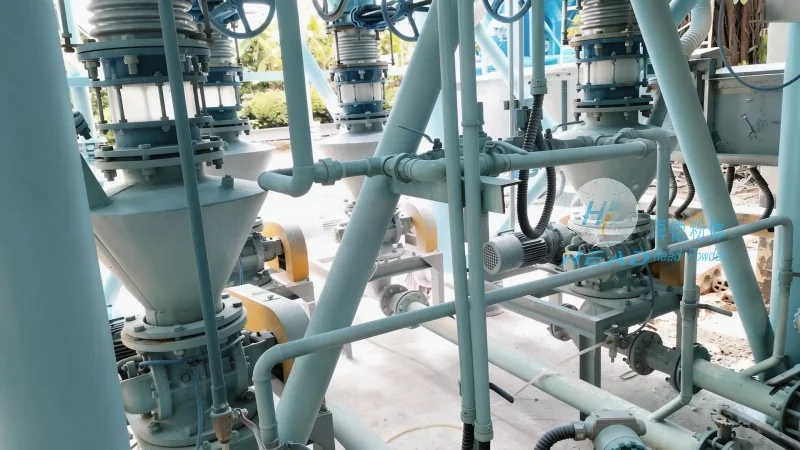
Pneumatic conveying equipment for rice material is widely used in various stages of rice processing, from raw material handling to finished product packaging. In storage facilities, the system can efficiently transfer rice from bulk storage silos to processing lines, ensuring a continuous supply of raw material. During processing, the equipment can transport rice through cleaning, milling, and polishing stages, maintaining the material's quality and preventing damage. In packaging operations, the system can deliver rice to packaging machines, enabling seamless integration with downstream packaging lines. The adaptability of the system makes it suitable for both small-scale and large-scale rice processing facilities, providing customized solutions to meet specific operational needs.
To ensure the long-term performance and reliability of the pneumatic conveying equipment for rice material, regular maintenance and proper operational practices are essential. The system should be inspected regularly for any signs of wear or damage to components such as the blower, pipeline, and receiver. Filters and air cleaners should be checked and replaced as needed to prevent clogging and maintain air quality. The feeder and hopper should be kept clean to avoid material buildup and ensure consistent feed rates. Operational parameters, such as air pressure and flow rate, should be monitored and adjusted as necessary to optimize system performance. Proper training of operators on the system's operation and maintenance is also crucial to prevent operational issues and extend the equipment's lifespan.

 Shandong Headpowder Engineering Co., Ltd.
 156-6277-7102(Manager Zhang)
  0531-83386006
  Zhangqiu District, Jinan City, Shandong Province, China
telephone
WeChatconsult
top