With more than 10‑year industry experience, Shandong Headpowder delivers full‑service pneumatic‑conveying systems and blowers, undertaking nationwide turn‑key powder‑handling projects.
Shandong HeadPowder Engineering Co., Ltd., a professional manufacturer based in Shandong, China, specializes in the design, development, and production of advanced pneumatic conveying equipment tailored for various industrial applications. The company's focus on innovation and quality has positioned it as a leading provider in the field of material handling solutions, particularly for handling shredded paper waste and similar light bulk materials.
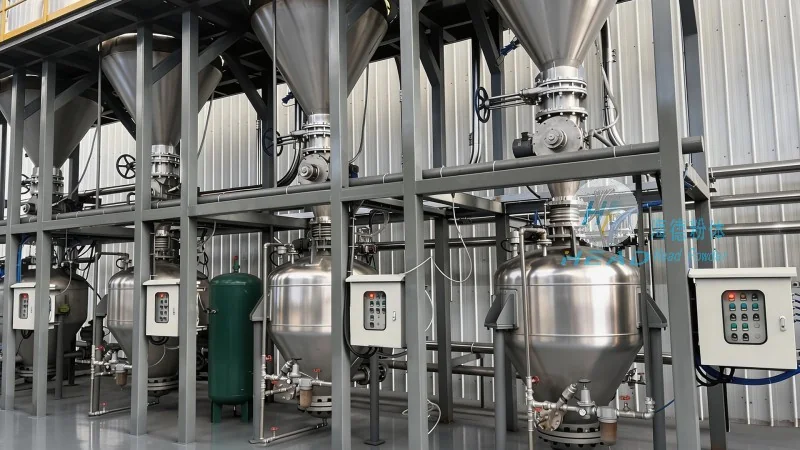
Pneumatic conveying systems are essential for efficiently transporting shredded paper, which is a common byproduct in paper recycling and waste management industries. These systems utilize air or gas to move materials through a network of pipes, eliminating the need for mechanical components like belts or buckets that might be prone to wear and tear. The equipment from Shandong HeadPowder Engineering Co., Ltd. is engineered to handle the unique characteristics of shredded paper, such as its low density and tendency to form clumps, ensuring reliable and continuous operation.
The core working principle of the pneumatic conveying equipment involves the creation of a pressure differential between the inlet and outlet of the system. Air is supplied by a powerful blower or compressor, which generates the necessary airflow to move the shredded paper particles. As the air flows through the pipeline, it picks up the material and transports it to the destination point. The system typically includes components like a hopper for material storage, a feeder to control the flow rate, and a filter to capture any fine particles or dust, ensuring environmental compliance and system efficiency.
The operation process of the pneumatic conveying equipment for shredded paper material can be broken down into several key stages. First, the shredded paper is fed into the hopper from the source location, such as a recycling bin or a storage silo. The feeder then regulates the amount of material released into the system, preventing overloading and maintaining consistent flow. Next, the blower or compressor activates, generating the airflow that propels the material through the pipeline. The material travels through the pipes, which may include bends, elbows, and expansion sections designed to handle the material's movement without causing blockages or excessive pressure drops. At the receiving end, the material is deposited into a collection bin or processing unit, completing the transport cycle. The system also incorporates safety features, such as pressure relief valves and automatic shut-off mechanisms, to prevent accidents and ensure smooth operation.
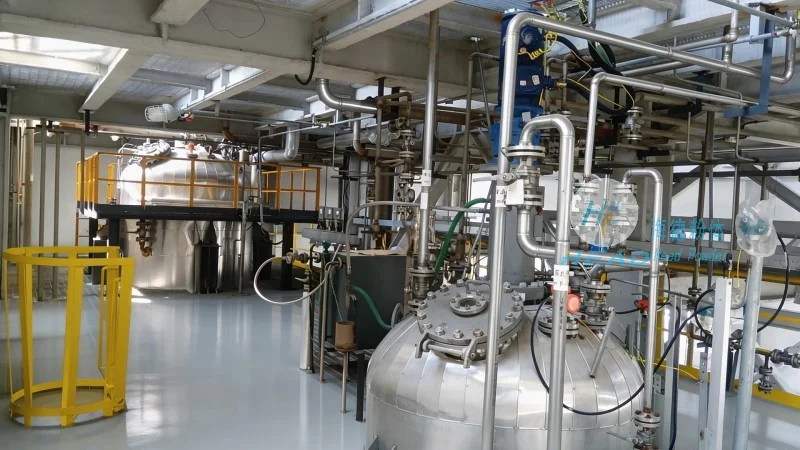
Several critical components work in tandem to ensure the effective operation of the pneumatic conveying equipment. The hopper serves as the storage vessel, providing a stable feed source for the material. The feeder, often a rotary valve or a screw feeder, controls the flow rate by regulating the amount of material entering the pipeline, preventing surges or interruptions. The blower or compressor is the heart of the system, generating the necessary air pressure and volume to move the material. The pipeline network, made of durable materials like stainless steel or plastic, transmits the material and air efficiently. The filter or cyclone separator at the end of the system captures any fine particles or dust, preventing contamination and maintaining air quality. Additionally, the system may include a vacuum or pressure control unit to adjust the airflow as needed, optimizing the conveying process.
Implementing pneumatic conveying equipment for shredded paper material offers several advantages over traditional mechanical systems. First, it eliminates the need for manual handling, reducing labor costs and improving workplace safety. The system can operate continuously, increasing productivity and throughput. It also minimizes material degradation, as the material is not subjected to friction or impact from mechanical components. Furthermore, the enclosed system prevents dust and odors from spreading, enhancing environmental protection and compliance with regulations. The flexibility of the system allows for easy integration with existing processes and can be adapted to different production scales, making it a versatile solution for various industrial applications.
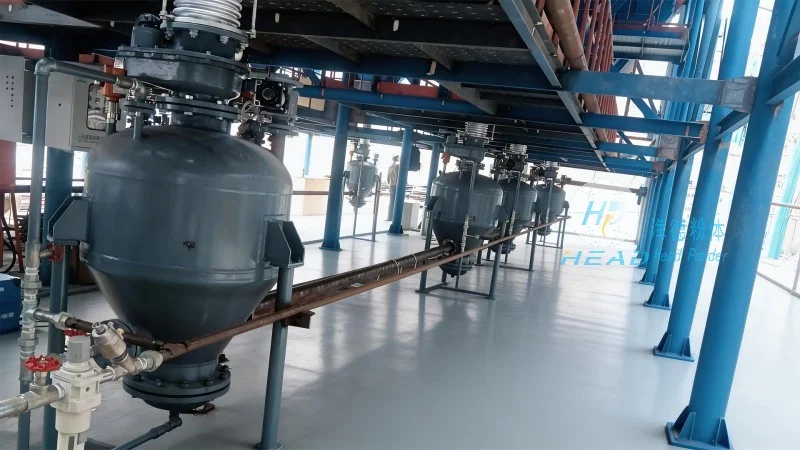
The pneumatic conveying equipment from Shandong HeadPowder Engineering Co., Ltd. is suitable for a wide range of applications involving shredded paper material. Common uses include transporting shredded paper from collection bins to recycling facilities, moving material between processing stages in paper mills, and handling waste from office or industrial settings. The company offers customized solutions tailored to specific customer needs, including different pipe sizes, material flow rates, and system configurations. For example, clients can opt for a vacuum system for low-pressure applications or a pressure system for high-pressure, long-distance conveying. The equipment can also be integrated with other processing equipment, such as shredders or balers, to create a fully automated material handling line. This customization ensures that the system meets the unique requirements of each application, maximizing efficiency and reliability.
To ensure the long-term performance and reliability of the pneumatic conveying equipment, regular maintenance is essential. The company recommends periodic inspections of the blower or compressor to check for wear and tear, as well as cleaning the filter or cyclone separator to prevent clogging. The pipeline should be inspected for any signs of damage or corrosion, and the feeder and hopper should be checked for material buildup or blockages. Proper operation of the system involves monitoring the airflow and pressure levels, adjusting the feeder speed as needed to maintain consistent material flow. Additionally, training operators on the proper use and maintenance of the equipment is crucial to prevent accidents and ensure optimal performance. By following these guidelines, users can extend the lifespan of the equipment and minimize downtime, ensuring consistent and efficient operation.
Shandong HeadPowder Engineering Co., Ltd. provides advanced pneumatic conveying equipment designed specifically for handling shredded paper material. The system's working principle, operation process, and key components work together to deliver efficient, reliable, and safe material transport. With its customization options and focus on quality, the company's equipment is an ideal solution for various industrial applications, helping businesses improve productivity, reduce costs, and enhance environmental compliance. By understanding the operation process and working principles of these systems, users can make informed decisions and maximize the benefits of pneumatic conveying technology in their operations.

 Shandong Headpowder Engineering Co., Ltd.
 156-6277-7102(Manager Zhang)
  0531-83386006
  Zhangqiu District, Jinan City, Shandong Province, China
telephone
WeChatconsult
top