With more than 10‑year industry experience, Shandong Headpowder delivers full‑service pneumatic‑conveying systems and blowers, undertaking nationwide turn‑key powder‑handling projects.
Unattended material handling systems utilizing pneumatic conveying technology represent a sophisticated solution for industries requiring automated, continuous material transport without manual intervention. These systems are designed to efficiently move bulk materials from one location to another, ensuring operational efficiency and safety. HeadPowder, a leading provider of engineering solutions, specializes in the design, manufacturing, and installation of such systems. The following overview details the operation process and working principles of unattended pneumatic conveying systems, highlighting key components and their functions.
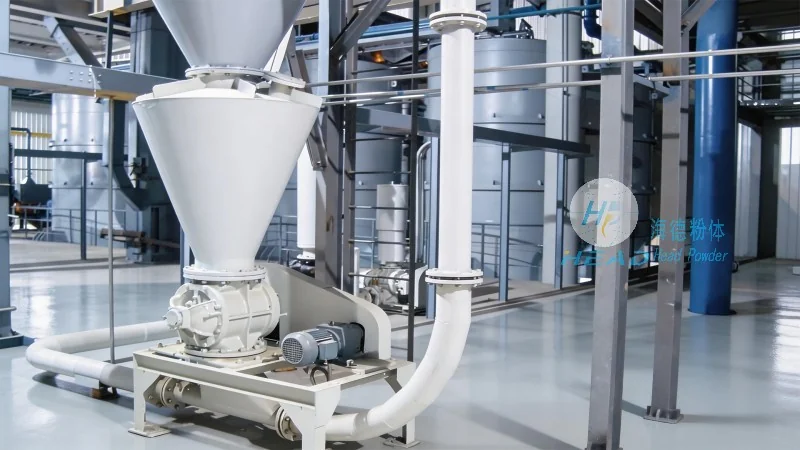
The unattended pneumatic conveying system consists of several critical components that work in tandem to achieve seamless material transport. These include the material feed hopper, which stores and feeds the bulk material; the air compressor or blower, which generates the necessary air pressure to move the material; the conveying line, typically made of metal or flexible tubing, which transports the material and air mixture; the control system, which monitors and regulates the operation; and the discharge hopper or destination vessel, where the material is deposited. Each component plays a vital role in maintaining the system's performance and reliability.
The core working principle of the system is based on the use of air to transport solid materials. In a typical operation, the material is fed from the hopper into the conveying line. Simultaneously, the air compressor supplies compressed air into the line. The air and material mixture travels through the conveying line due to the pressure differential created by the compressor. The velocity and pressure of the air ensure that the material particles are suspended and transported efficiently. The system may use different conveying modes, such as dilute-phase or dense-phase, depending on the material characteristics and required transport distance. Dilute-phase conveying involves high air velocity and low material concentration, suitable for short distances and light materials, while dense-phase conveying uses lower air velocity and higher material concentration, ideal for longer distances and bulkier materials.
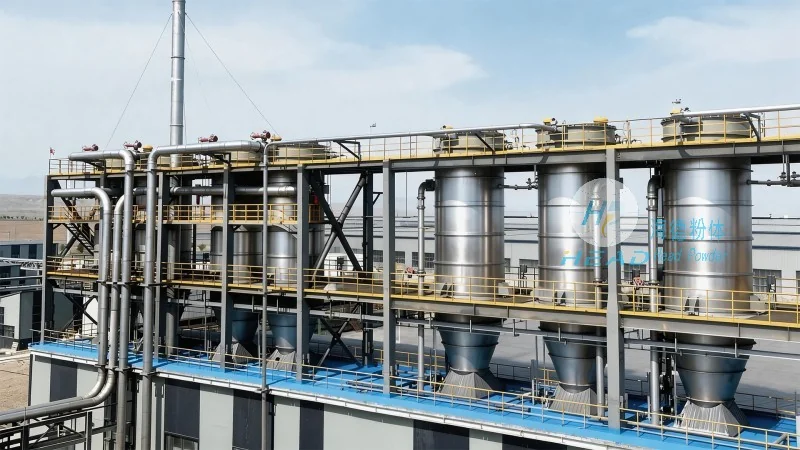
The operation process of an unattended pneumatic conveying system begins with the loading of the material into the feed hopper. The control system then activates the air compressor, which starts supplying compressed air. The material is then released from the hopper into the conveying line, where it mixes with the air. The air and material mixture travels through the pipeline to the discharge hopper at the destination. The control system continuously monitors the pressure, flow rate, and material level, adjusting the air supply as needed to maintain optimal transport conditions. The system operates automatically, with no manual intervention required once initiated, ensuring consistent and reliable material transport throughout the process.
Unattended pneumatic conveying systems offer several advantages over traditional material handling methods. These include increased operational efficiency due to automation, reduced labor costs as manual feeding and handling are minimized, improved safety as there is no need for personnel to be in the material handling area, and enhanced flexibility in material transport, allowing for changes in transport routes or material types with minimal adjustments. Additionally, these systems can handle a wide range of materials, from powders and granules to bulk solids, making them versatile for various industrial applications.
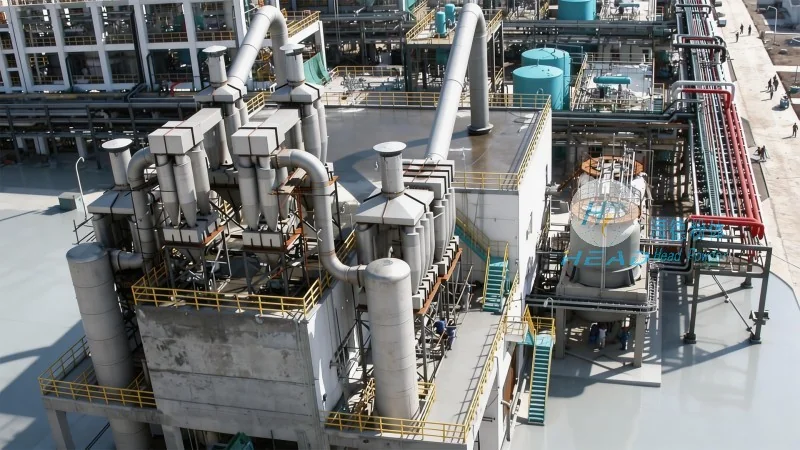
The unattended pneumatic conveying systems are widely used in various industrial sectors, including pharmaceuticals, food processing, chemical manufacturing, and mining. In the pharmaceutical industry, these systems ensure hygienic and dust-free transport of raw materials and finished products, maintaining compliance with regulatory standards. In food processing, they handle ingredients like flour, sugar, and spices, ensuring product quality and safety. In chemical manufacturing, they transport chemicals and reagents, providing a controlled environment to prevent contamination. In mining operations, they move bulk minerals and ores from storage to processing facilities, enhancing operational efficiency.
Unattended pneumatic conveying systems represent a highly effective solution for industries seeking automated, reliable material handling. By leveraging advanced engineering and control technologies, these systems provide consistent performance, enhanced safety, and operational efficiency. HeadPowder, with its expertise in pneumatic conveying systems, continues to deliver innovative solutions tailored to meet the diverse needs of industrial clients, ensuring optimal material transport and process integration.

 Shandong Headpowder Engineering Co., Ltd.
 156-6277-7102(Manager Zhang)
  0531-83386006
  Zhangqiu District, Jinan City, Shandong Province, China
telephone
WeChatconsult
top