With more than 10‑year industry experience, Shandong Headpowder delivers full‑service pneumatic‑conveying systems and blowers, undertaking nationwide turn‑key powder‑handling projects.
Trilithium material pneumatic conveying systems are advanced industrial solutions designed to efficiently transport lithium-based materials, particularly those used in modern battery technologies. These systems utilize air as the primary medium to move bulk materials through a pipeline network, offering a flexible and effective method for material handling in various industrial applications.
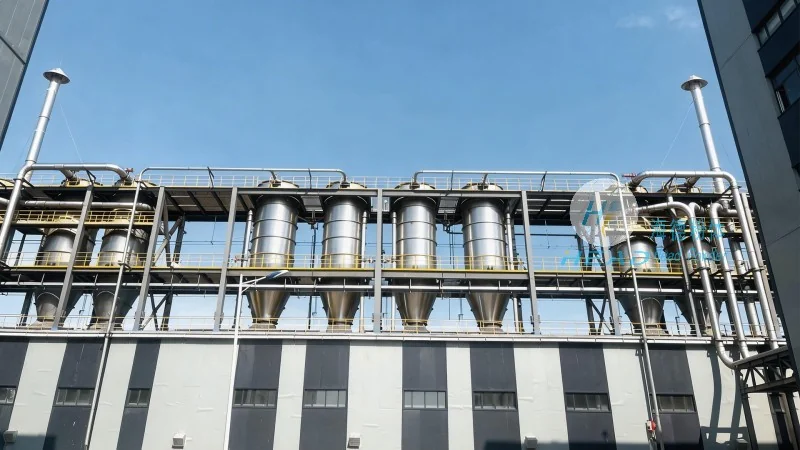
The pneumatic conveying system for trilithium materials typically consists of several critical components that work in concert to ensure smooth operation. The main components include a material hopper or feeder, a blower or air compressor, a conveying pipeline, and a receiver or discharge unit. Each component plays a vital role in the overall process of material transport.
The material hopper is responsible for storing and feeding the trilithium powder or granules into the system. It is equipped with a feeder mechanism, such as a rotary valve or a screw feeder, which controls the flow rate of the material into the pipeline. This ensures a consistent and controlled supply of material to the conveying system, preventing blockages and maintaining system efficiency.

The blower or air compressor generates the necessary air pressure and flow rate to move the material through the pipeline. The choice of blower type—such as a positive displacement blower or a centrifugal fan—depends on the specific characteristics of the trilithium material, including its particle size, density, and flowability. The air pressure is carefully regulated to achieve optimal conveying performance without causing excessive wear on the system components.
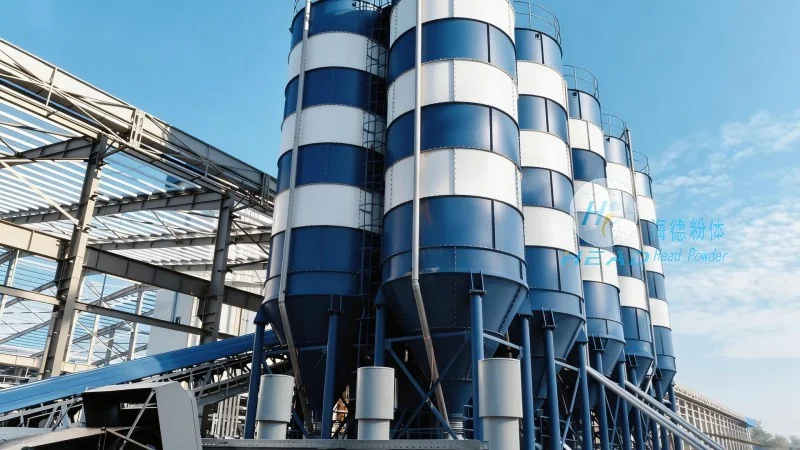
The conveying pipeline is the central part of the system, where the material is transported from the hopper to the receiver. The pipeline is usually made of materials like stainless steel or plastic, selected for their resistance to corrosion and wear from the trilithium material. The design of the pipeline, including the use of bends, elbows, and straight sections, is crucial for maintaining the flow of material and minimizing pressure losses. Properly sized and positioned pipeline components ensure that the material is conveyed efficiently and without degradation.
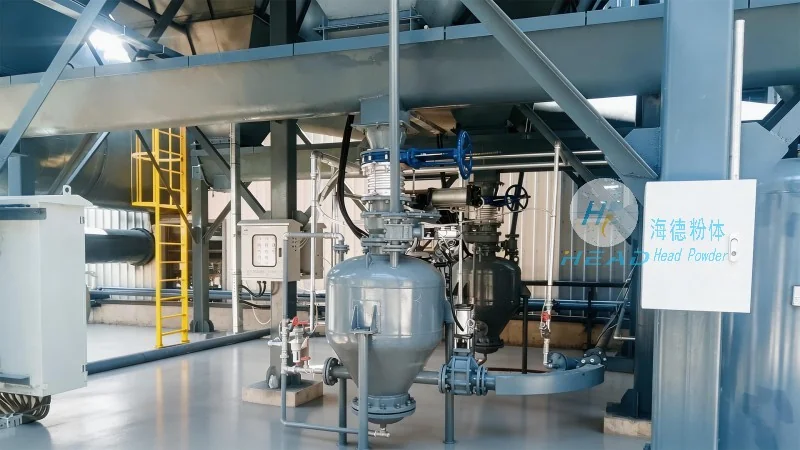
The receiver or discharge unit is where the trilithium material is collected after being transported through the pipeline. It may include a hopper or a storage tank, equipped with a discharge valve or outlet to release the material into the next processing stage. The receiver is designed to handle the material's characteristics, such as its dustiness or potential for static buildup, to prevent material loss or system contamination.
The operation process of a trilithium material pneumatic conveying system involves several sequential steps that ensure the material is transported safely and efficiently. The process begins with the loading of the trilithium material into the hopper. Once the hopper is filled, the feeder mechanism starts to discharge the material into the pipeline at a controlled rate.

 Shandong Headpowder Engineering Co., Ltd.
 156-6277-7102(Manager Zhang)
  0531-83386006
  Zhangqiu District, Jinan City, Shandong Province, China
telephone
WeChatconsult
top