With more than 10‑year industry experience, Shandong Headpowder delivers full‑service pneumatic‑conveying systems and blowers, undertaking nationwide turn‑key powder‑handling projects.
HeadPowder, a leading engineering company based in Shandong, China, specializes in the design, manufacturing, and installation of advanced pneumatic conveying systems. This article provides a detailed overview of the operation process and working principle of a high-pressure bin pump system, a critical component in modern powder handling and material transport applications.
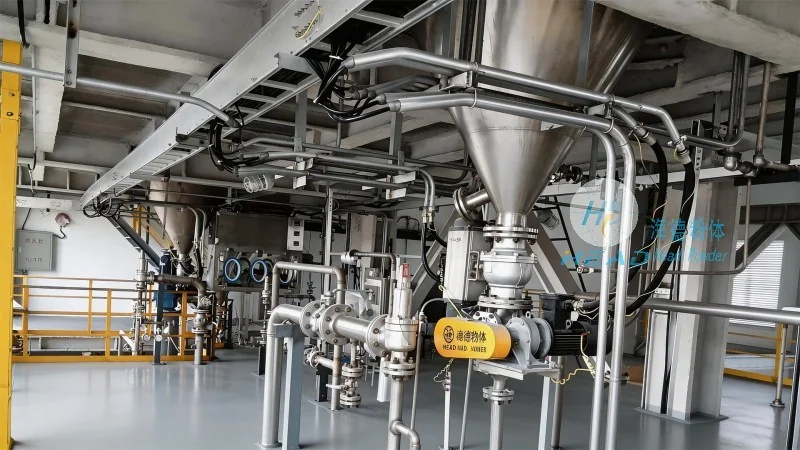
A high-pressure bin pump is a sophisticated piece of equipment used for the efficient and reliable transport of bulk powders over long distances. Unlike traditional vacuum or low-pressure systems, high-pressure bin pumps operate at elevated pressures, typically ranging from 7 to 15 bar, enabling them to handle challenging materials such as fine powders, granules, and even cohesive or abrasive substances. The system integrates a storage bin, a high-pressure pump, and a conveying pipeline, forming a closed-loop or open-loop configuration depending on the application requirements.
The core of the high-pressure bin pump system lies in its ability to generate and maintain high-pressure air or gas within the conveying pipeline. The process begins with the material being fed from the storage bin into the pump's inlet. As the pump starts, it draws the material into its chamber, where it is mixed with the pressurized air or gas. The high-pressure air then propels the material through the pipeline to the discharge point. The pump's design, often featuring a positive displacement mechanism, ensures consistent material flow and pressure control, preventing clogging and ensuring smooth operation.
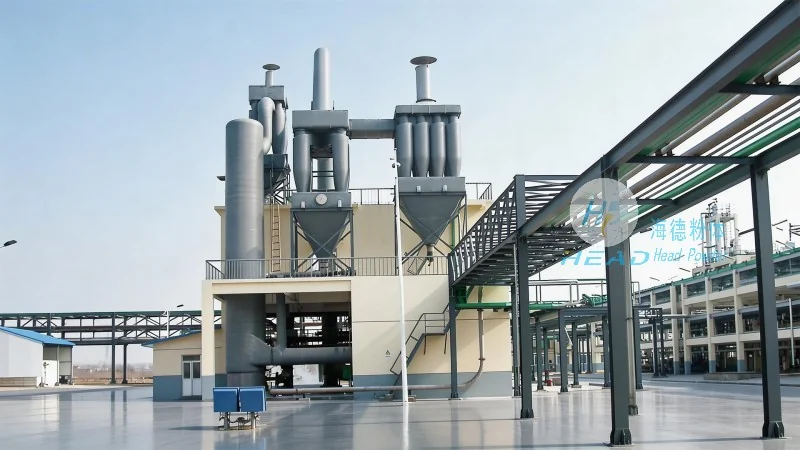
The operation of a high-pressure bin pump system involves several key steps that ensure efficient material transport. First, the storage bin is filled with the bulk powder, and the system is prepared for operation. The pump is then activated, and the pressure is increased to the desired level. The material is drawn from the bin into the pump's inlet, where it is mixed with the pressurized air. The mixture is then forced through the conveying pipeline to the destination point. The system continuously monitors pressure and flow rates to maintain optimal performance. When the material reaches the discharge point, it is released, and the cycle repeats. This process is highly automated, with control systems ensuring precise regulation of pressure, flow, and material level in the bin.
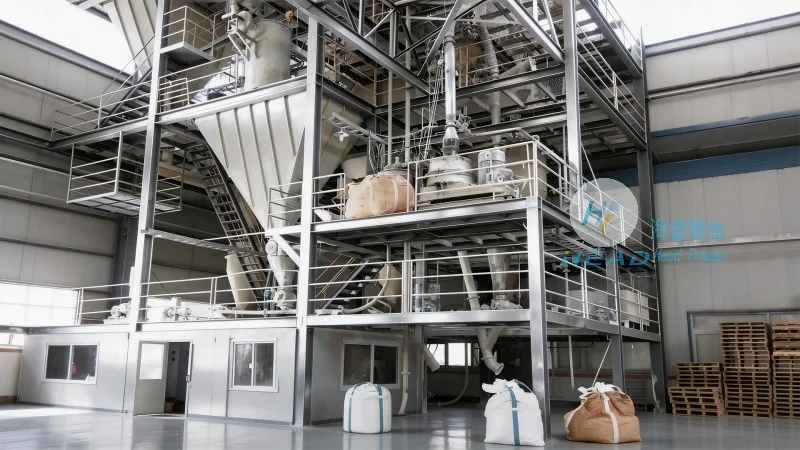
Several critical components work in tandem to ensure the smooth operation of the high-pressure bin pump system. The storage bin serves as the material reservoir, maintaining a consistent supply of powder. The high-pressure pump, often a positive displacement type, generates the necessary pressure to convey the material. The conveying pipeline transports the material from the pump to the discharge point, with bends and fittings designed to minimize pressure loss. The control system manages the operation of the pump, monitoring pressure and flow rates, and adjusting parameters as needed. Additionally, the system may include a filter or separator to remove any air or moisture from the material, ensuring the quality of the conveyed powder.
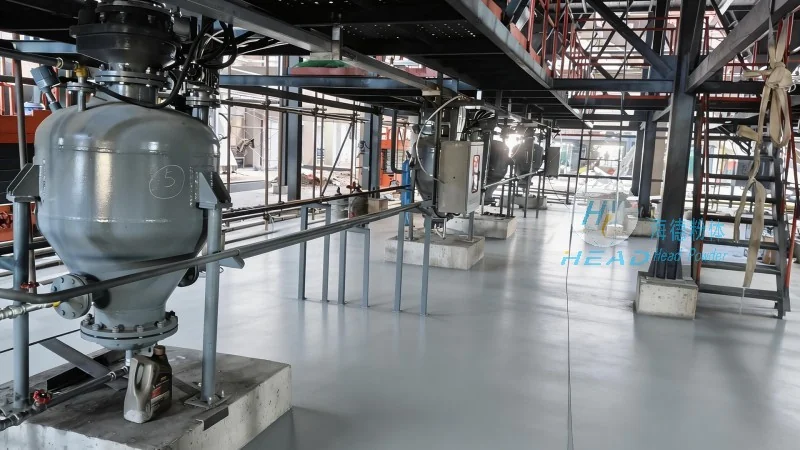
High-pressure bin pump systems offer several advantages over traditional conveying methods. They are capable of handling a wide range of materials, including fine powders and abrasive substances, with minimal wear and tear on equipment. The high-pressure operation allows for long-distance transport without the need for intermediate storage or transfer points. These systems are widely used in industries such as chemical, pharmaceutical, food processing, and mining, where the transport of bulk powders is essential. For example, in the chemical industry, high-pressure bin pumps are used to transport raw materials to reactors, while in the food industry, they are used to convey ingredients to processing lines.
To ensure the longevity and efficiency of a high-pressure bin pump system, regular maintenance is essential. This includes checking for wear and tear on pump components, cleaning the conveying pipeline to prevent clogging, and monitoring pressure and flow rates. The control system should be calibrated regularly to maintain optimal performance. Additionally, operators should be trained to handle the system safely, as high-pressure systems can pose safety risks if not operated correctly. Proper maintenance and operational procedures can extend the life of the equipment and reduce downtime, ensuring consistent material transport.

 Shandong Headpowder Engineering Co., Ltd.
 156-6277-7102(Manager Zhang)
  0531-83386006
  Zhangqiu District, Jinan City, Shandong Province, China
telephone
WeChatconsult
top