With more than 10‑year industry experience, Shandong Headpowder delivers full‑service pneumatic‑conveying systems and blowers, undertaking nationwide turn‑key powder‑handling projects.
Automatic feeding material conveying lines are essential systems in modern industrial manufacturing, designed to efficiently transport bulk materials from one processing stage to another. These automated solutions play a crucial role in enhancing production efficiency, reducing labor costs, and ensuring consistent material flow throughout the manufacturing process. Understanding the core components and design principles of such lines is vital for industries seeking to optimize their material handling operations.
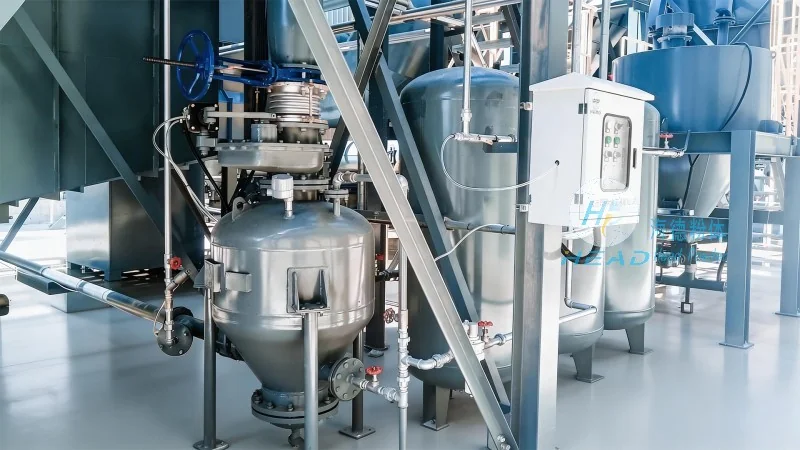
At the heart of many industrial processes, automatic feeding material conveying lines serve as the backbone for seamless material movement. These systems are engineered to handle a wide range of materials, including powders, granules, and bulk solids, with precision and reliability. The primary goal is to ensure that raw materials are delivered to the next stage of production in a controlled manner, minimizing downtime and maximizing throughput. By integrating advanced technology and robust engineering, these lines address the challenges of traditional manual material handling, offering a more efficient and scalable solution for modern manufacturing needs.
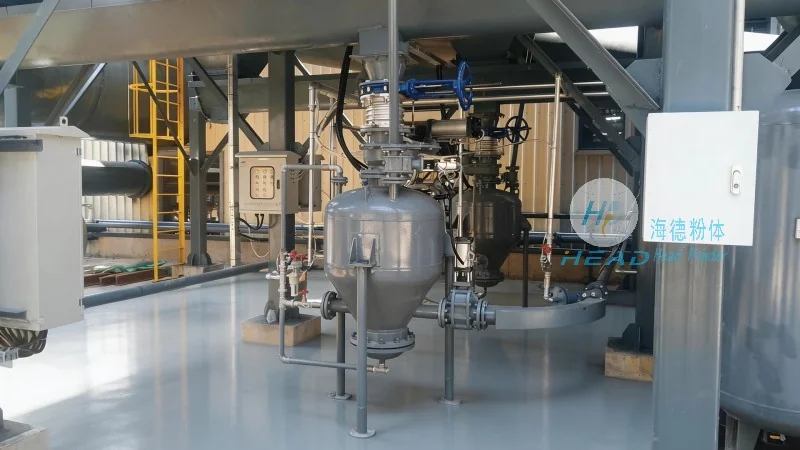
HeadPowder, a leading manufacturer in the field of material handling equipment, specializes in the design, development, and production of high-quality automatic feeding material conveying lines. With a strong commitment to innovation and customer satisfaction, the company has established itself as a trusted partner for industries requiring reliable and efficient material handling solutions. HeadPowder's expertise lies in tailoring systems to meet specific operational requirements, ensuring that clients receive customized solutions that enhance their production capabilities. The company's headquarters is located in Shandong, China, where it leverages advanced manufacturing facilities and a skilled workforce to deliver superior products and services.
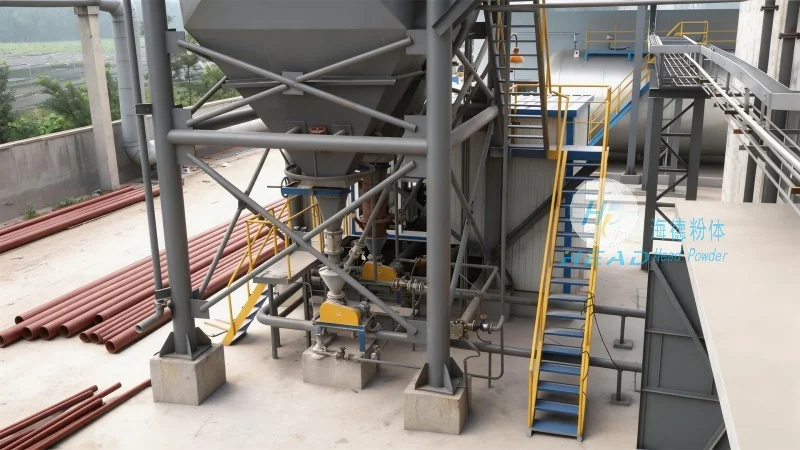
The design of an automatic feeding material conveying line is governed by several critical principles that ensure optimal performance and reliability. These principles include material compatibility, system integration, and operational efficiency. Material compatibility is a fundamental aspect, as the system must be designed to handle the specific properties of the materials being conveyed, such as particle size, density, and flow characteristics. This involves selecting appropriate components like hoppers, feeders, and conveyors that are suitable for the material's physical and chemical properties. System integration is another key principle, as the conveying line must seamlessly connect with other equipment in the production line, such as mixers, reactors, or packaging machines. This integration ensures smooth material flow and eliminates bottlenecks that could disrupt the entire production process. Operational efficiency is also a primary design consideration, with engineers focusing on minimizing energy consumption, reducing maintenance requirements, and maximizing the line's throughput. By adhering to these design principles, manufacturers can develop conveying lines that are not only effective but also cost-efficient and sustainable.
An automatic feeding material conveying line typically consists of several interconnected components, each playing a vital role in the overall material handling process. The primary components include hoppers, feeders, conveyors, and control systems. Hoppers are used to store and feed the bulk material into the system, with designs tailored to the material's flow characteristics to prevent clogging or bridging. Feeders, such as screw feeders or vibratory feeders, regulate the flow rate of the material from the hopper to the conveyor, ensuring a consistent and controlled supply. The conveyor system, which may include belt conveyors, screw conveyors, or pneumatic conveyors, transports the material from the feeder to the next processing stage. Control systems, often integrated with sensors and automation technology, monitor the operation of the conveying line and adjust parameters as needed to maintain optimal performance. These components work in harmony to ensure that materials are conveyed accurately and efficiently, with minimal human intervention. The functionality of each component is carefully engineered to address the specific needs of the material being handled, resulting in a robust and reliable system that meets the demands of modern industrial applications.
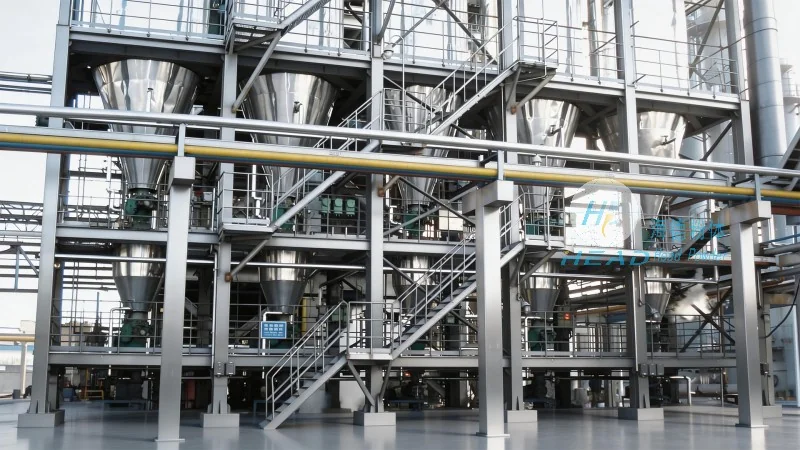
Automatic feeding material conveying lines find widespread applications across various industries, including pharmaceuticals, food processing, chemicals, and mining. In the pharmaceutical industry, these systems are used to handle raw materials with high purity requirements, ensuring that contamination is minimized and material flow is controlled. In food processing, they are employed to transport ingredients such as grains, powders, and spices, maintaining hygiene standards and preventing cross-contamination. The chemical industry utilizes these lines for handling bulk chemicals, with designs that comply with safety regulations and prevent leaks or spills. In mining operations, they are used to transport ore and other minerals from processing plants to storage or further processing facilities. The benefits of using automatic feeding material conveying lines extend beyond efficiency and reliability. These systems also contribute to improved workplace safety by reducing the need for manual handling of heavy or hazardous materials. Additionally, they enhance product quality by ensuring consistent material flow and reducing the risk of material degradation or contamination. By investing in such systems, industries can achieve higher productivity, lower operational costs, and improved overall performance.

 Shandong Headpowder Engineering Co., Ltd.
 156-6277-7102(Manager Zhang)
  0531-83386006
  Zhangqiu District, Jinan City, Shandong Province, China
telephone
WeChatconsult
top