With more than 10‑year industry experience, Shandong Headpowder delivers full‑service pneumatic‑conveying systems and blowers, undertaking nationwide turn‑key powder‑handling projects.
HeadPowder, a leading manufacturer based in Shandong, China, specializes in the design, production, and supply of advanced husk material conveying systems. This article provides a detailed overview of the operation process and working principle of our husk material conveying equipment, highlighting its efficiency, reliability, and key components that ensure smooth material handling in various industrial applications.
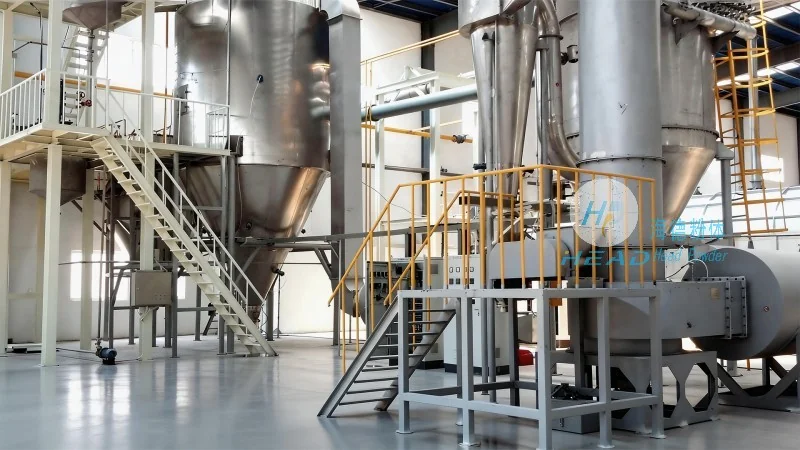
HeadPowder Engineering Co., Ltd. is a professional enterprise dedicated to the research and development of material handling solutions. Our headquarters is located in Shandong, China, where we leverage local industrial resources and expertise to deliver high-quality husk conveying systems tailored to meet diverse customer needs. The company's commitment to innovation and quality control ensures that each piece of equipment meets stringent industry standards, providing long-term performance and durability.

The husk material conveying system operates on a principle of continuous material transport through a series of interconnected components. At its core, the system utilizes a combination of mechanical and pneumatic mechanisms to move bulk husk materials from the source to the destination. The process begins with the intake of raw husk material, which is then fed into a hopper or feeder. From there, the material is transferred to a conveyor belt or screw conveyor, depending on the system design. The conveyor system uses motor-driven mechanisms to move the material along the designated path, ensuring uniform and controlled transport. Additionally, the system may incorporate air blowers or vacuum pumps to assist in material movement, especially for lighter or more delicate husk particles. This integrated approach allows for efficient handling of husk materials, minimizing downtime and maximizing throughput.
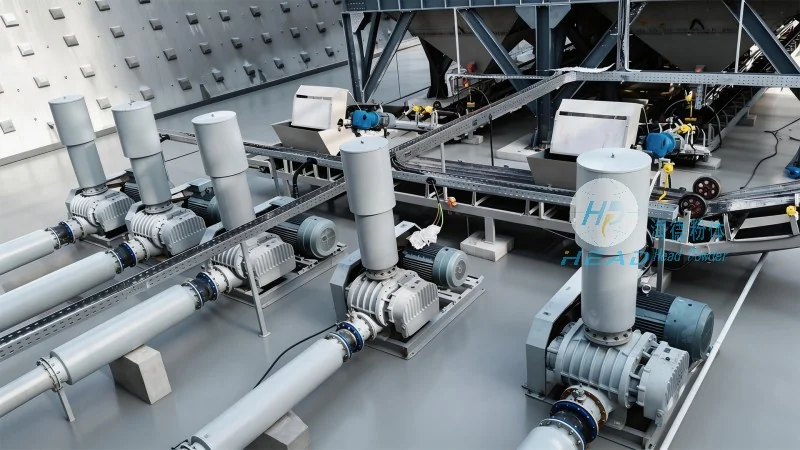
The operation of the husk material conveying system follows a systematic sequence of steps to ensure optimal performance. Initially, the system is started by activating the main power supply and the conveyor motor. The feeder mechanism then begins to feed the husk material into the conveyor belt or screw. As the material moves along the conveyor, it is transported to the discharge point, where it is collected in a storage bin or directly transferred to the next processing stage. The system includes sensors and control panels that monitor the material flow, speed, and pressure, allowing for real-time adjustments to maintain consistent operation. In case of any blockage or overload, the system is equipped with safety features such as automatic shut-off and alarm systems to prevent damage to the equipment and ensure operator safety. The entire process is designed to be automated, reducing the need for manual intervention and enhancing operational efficiency.
Several critical components work in tandem to ensure the smooth operation of the husk material conveying system. The hopper or feeder is the first component, responsible for receiving and storing the raw husk material. It is designed with a wide opening to accommodate bulk material and features a smooth interior to prevent material buildup and blockages. The conveyor belt or screw conveyor is the primary transport mechanism, which can be adjusted in speed and direction to match the material's characteristics. The motor and drive system provide the necessary power to move the material, with options for variable speed control to optimize performance. The air blower or vacuum pump, when used, creates a pressure differential to assist in material movement, especially for lighter husk particles that may be difficult to convey using gravity alone. The control panel and sensors are essential for monitoring and regulating the system's operation, providing real-time data on flow rates, pressure, and temperature. These components work together to ensure the system operates efficiently and reliably, minimizing maintenance and maximizing productivity.
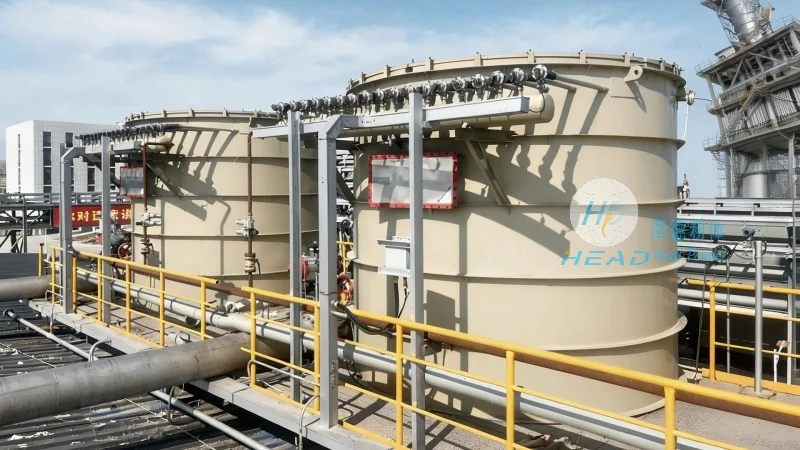
Husk material conveying systems are widely used in various industries, including agriculture, food processing, and biomass energy production. In agriculture, they are used to transport husk from storage facilities to processing plants, ensuring a continuous supply of raw materials. In food processing, the systems help in moving husk from grinding or milling operations to packaging or storage areas. In biomass energy production, the systems are crucial for transporting husk to combustion or gasification facilities, where it is used as a renewable energy source. The advantages of our husk material conveying systems include high efficiency, low maintenance costs, and adaptability to different material types. The systems are designed to handle various husk sizes and densities, making them suitable for a wide range of applications. Additionally, the use of durable materials and advanced engineering ensures long service life and minimal downtime, providing customers with a reliable solution for their material handling needs.

 Shandong Headpowder Engineering Co., Ltd.
 156-6277-7102(Manager Zhang)
  0531-83386006
  Zhangqiu District, Jinan City, Shandong Province, China
telephone
WeChatconsult
top