With more than 10‑year industry experience, Shandong Headpowder delivers full‑service pneumatic‑conveying systems and blowers, undertaking nationwide turn‑key powder‑handling projects.
The bead sand pneumatic conveying system is a sophisticated industrial equipment designed to transport bead sand—a granular material used in manufacturing processes such as foundry and ceramics production—through a pipeline using compressed air. This system is widely adopted in various industries due to its efficiency, flexibility, and ability to handle abrasive materials without causing damage to the conveying line or the material itself. The system's design ensures minimal material loss and reduced maintenance requirements, making it a preferred choice for businesses seeking reliable material handling solutions.
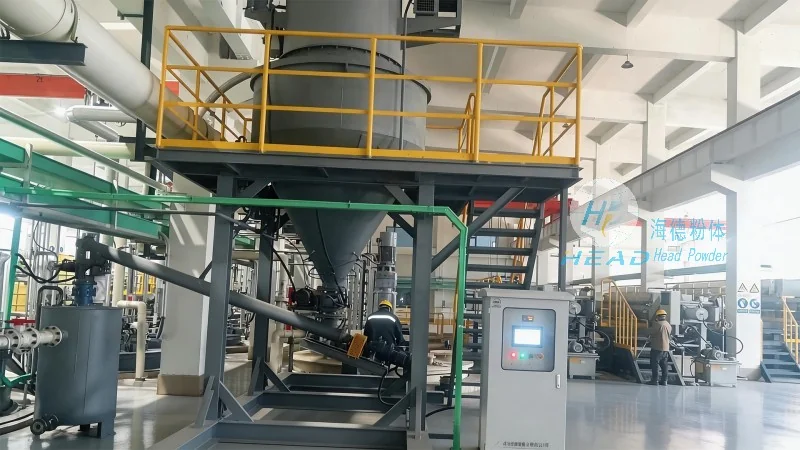
Headpowder, or Shandong HeadPowder Engineering Co., Ltd., is a professional manufacturer based in Shandong, China. The company specializes in the design, development, and production of advanced pneumatic conveying systems, including those tailored for bead sand applications. With a strong focus on technological innovation and customer-centric solutions, Headpowder provides reliable equipment that meets the demands of various industrial sectors. The company's commitment to quality and sustainability has established it as a trusted partner in the material handling industry.
The core of the bead sand pneumatic conveying system lies in its use of air as the conveying medium. The system operates by creating a pressure differential between the material feed point and the discharge point. Compressed air is introduced into the pipeline, generating a flow that lifts and transports the bead sand particles. The air velocity is carefully controlled to ensure that the particles remain suspended in the air stream, preventing clogging and ensuring smooth material movement. The system typically consists of a hopper for material storage, a blower or compressor for air supply, a pipeline network, and a discharge valve or cyclone separator for material collection. The blower or compressor provides the necessary air pressure and volume to maintain the flow rate required for effective material transport.
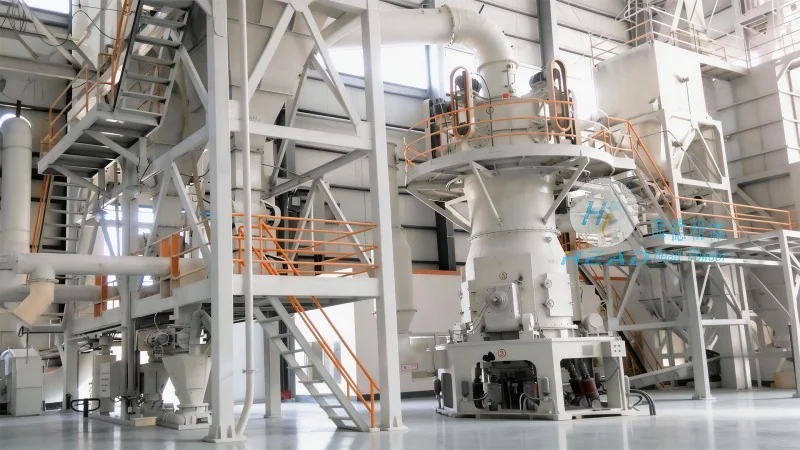
The operation of the bead sand pneumatic conveying system involves several key steps. First, the bead sand is loaded into the hopper. The hopper is equipped with a feeder that controls the flow rate of the material into the pipeline. Simultaneously, the blower or compressor starts and supplies compressed air to the system. As the air flows through the pipeline, it carries the bead sand particles from the hopper to the discharge point. The discharge point may be a cyclone separator, which uses centrifugal force to separate the air from the material, allowing the bead sand to be collected in a container. The system is designed to maintain a consistent air pressure and flow rate, ensuring reliable and continuous material transport. Operators can monitor the system's performance through control panels that display pressure, flow rate, and material level indicators. This allows for real-time adjustments to optimize the conveying process and prevent any potential issues.
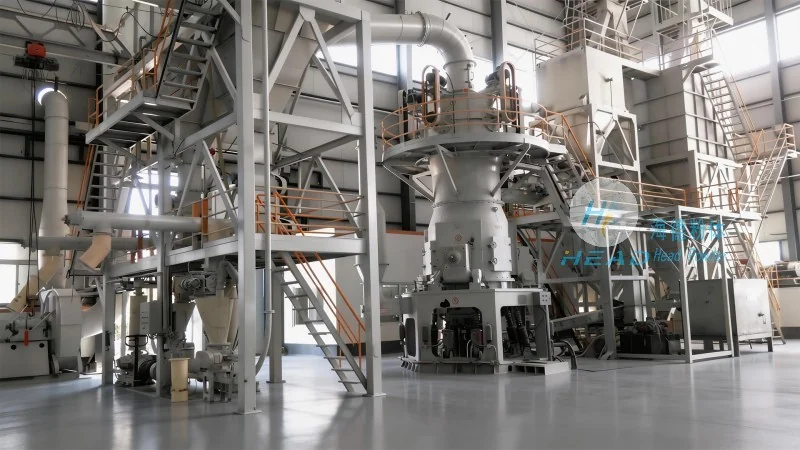
Several critical components work together to ensure the efficient operation of the bead sand pneumatic conveying system. The hopper serves as the storage vessel for the bead sand, with a feeder that regulates the material flow into the pipeline. The feeder is typically a rotary valve or a screw feeder, which controls the amount of material entering the system to prevent overloading. The blower or compressor provides the necessary air pressure and volume to transport the material. The pipeline network connects the hopper to the discharge point and is usually made of materials resistant to abrasion, such as stainless steel or polyethylene, to withstand the abrasive nature of bead sand. The discharge unit, often a cyclone separator, uses centrifugal force to separate the air from the material. The cyclone's design ensures that the bead sand is collected efficiently, while the air is discharged back into the system or vented to the atmosphere. Additionally, the system may include filters to remove any fine particles from the air, maintaining air quality and preventing clogging of the blower. Each component plays a vital role in the overall performance and reliability of the system.
The bead sand pneumatic conveying system by Shandong HeadPowder Engineering Co., Ltd. is a highly efficient and reliable solution for transporting bead sand in industrial applications. By leveraging the principles of pneumatic conveying, the system ensures smooth, continuous material transport while minimizing wear and tear on equipment. With its robust design and advanced control features, the system is suitable for various industrial needs, providing businesses with a cost-effective and sustainable way to handle bead sand. Headpowder's commitment to quality and innovation makes their pneumatic conveying systems a trusted choice for industries worldwide. The system's ability to handle abrasive materials and maintain consistent performance makes it an ideal solution for businesses looking to improve their material handling processes.

 Shandong Headpowder Engineering Co., Ltd.
 156-6277-7102(Manager Zhang)
  0531-83386006
  Zhangqiu District, Jinan City, Shandong Province, China
telephone
WeChatconsult
top