

Operation Process and Working Principle of Sintered Ash Pneumatic Conveying System Equipment
Understanding the operation process and working principle of sintered ash pneumatic conveying systems is crucial for optimizing material handling efficiency in industrial settings. These systems are designed to transport sintered ash—a byproduct of the sintering process used in iron and steel production—through a network of pipes using compressed air or other gas streams. The effectiveness of such systems directly impacts production line throughput, operational costs, and environmental compliance, making a thorough grasp of their mechanics essential for engineers and facility managers alike.
Company Overview: HeadPowder Engineering
HeadPowder, formally known as Shandong HeadPowder Engineering Co., Ltd., is a leading provider of specialized engineering solutions for material handling and processing. With headquarters in Shandong, China, the company has established itself as a trusted partner in the development and implementation of advanced pneumatic conveying technologies. HeadPowder's expertise lies in tailoring systems to meet the unique demands of industrial applications, ensuring reliability, durability, and compliance with industry standards.
The Core Components of Sintered Ash Pneumatic Conveying Systems
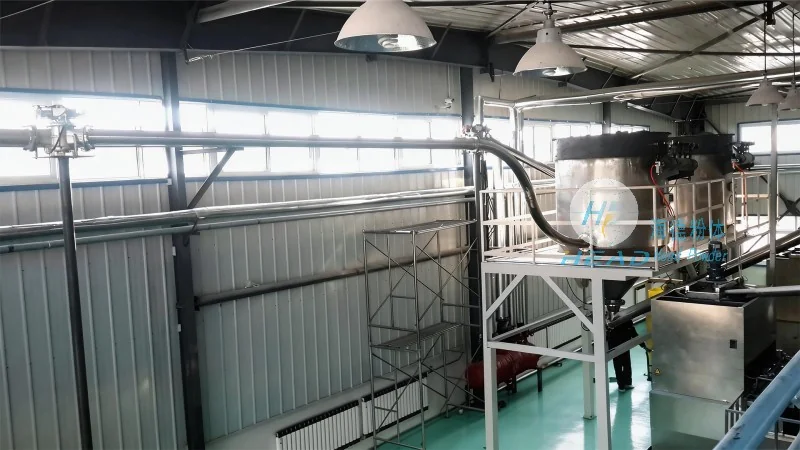
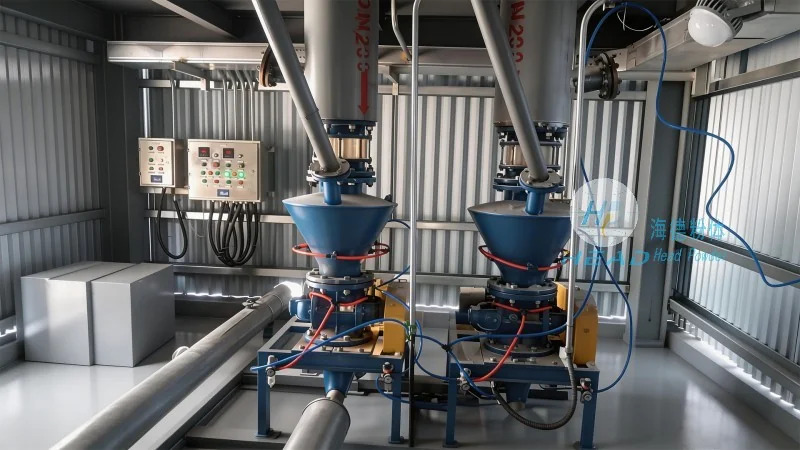
A sintered ash pneumatic conveying system typically comprises several key components that work in concert to achieve efficient material transport. The primary elements include a hopper for material storage, a feeder to control the flow rate, a conveying line (often equipped with pressure vessels or pipelines), and a receiver for the discharged material. Each component plays a critical role in maintaining system performance and preventing issues like blockages or pressure drops.
Working Principle: How the System Transports Sintered Ash
The working principle of a sintered ash pneumatic conveying system is based on the fundamental physics of fluidization and gas-solid flow. When compressed air is introduced into the conveying line, it creates a low-pressure environment that draws sintered ash particles from the hopper into the system. The air stream lifts and transports the material through the pipeline, maintaining a consistent flow rate by adjusting the air pressure and volume. The system may utilize different conveying modes, such as dilute-phase or dense-phase, depending on the material characteristics and distance to be covered. Dilute-phase systems are suitable for shorter distances and lighter materials, while dense-phase systems are preferred for longer distances or bulkier particles, as they provide better control over material discharge and reduce the risk of clogging.
Operation Process: Step-by-Step Execution
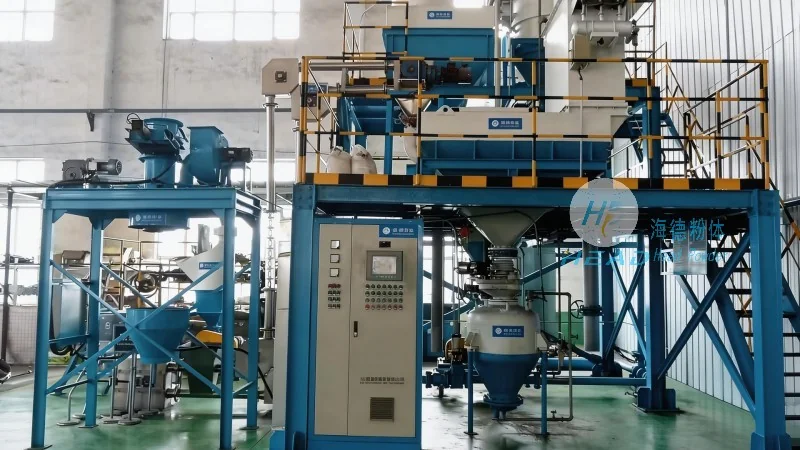
The operation process of a sintered ash pneumatic conveying system involves a series of sequential steps that ensure smooth and continuous material transport. The process begins with the loading of sintered ash into the hopper, where it is stored until needed. The feeder then regulates the flow of material into the conveying line, controlling the rate at which ash is introduced. Compressed air is supplied to the system, creating the necessary pressure differential to move the material. As the air stream travels through the pipeline, it carries the sintered ash particles, transporting them to the receiver. The receiver collects the material and may include features like a dust collector or filtration system to ensure environmental compliance. The system continuously monitors pressure, flow rate, and other parameters to maintain optimal performance, with automatic controls adjusting air pressure or flow as needed to prevent system failures or inefficiencies.
Key Advantages of Sintered Ash Pneumatic Conveying Systems
Implementing a sintered ash pneumatic conveying system offers several advantages over traditional material handling methods. One of the most significant benefits is the reduction in labor costs, as automated systems eliminate the need for manual handling of heavy or hazardous materials. Additionally, pneumatic conveying systems minimize material loss and contamination, as the enclosed pipeline prevents exposure to the environment. The systems also improve safety by reducing the risk of dust explosions or respiratory hazards associated with handling sintered ash in open environments. Furthermore, these systems enhance production efficiency by enabling continuous, uninterrupted material transport, which is critical for maintaining steady production rates in industrial facilities.
Maintenance and Troubleshooting for Optimal Performance
To ensure the long-term reliability and efficiency of a sintered ash pneumatic conveying system, regular maintenance and proactive troubleshooting are essential. Common maintenance tasks include cleaning the hopper and feeder to prevent material buildup, inspecting the conveying line for signs of wear or damage, and checking the air compressor and filtration system for optimal performance. Regular lubrication of moving parts and replacement of worn components are also crucial to prevent system downtime. Troubleshooting may involve addressing issues like pressure drops, blockages, or air leaks, which can be caused by factors such as clogged filters, insufficient air pressure, or material buildup in the pipeline. By identifying and resolving these issues promptly, facility managers can maintain the system's performance and extend its operational lifespan.