With more than 10‑year industry experience, Shandong Headpowder delivers full‑service pneumatic‑conveying systems and blowers, undertaking nationwide turn‑key powder‑handling projects.
Compound fertilizer pneumatic conveying lines are critical components in the modern fertilizer production and handling industry, designed to efficiently transport bulk materials like compound fertilizers from one location to another. These systems leverage pneumatic technology to achieve seamless material transfer, enhancing operational efficiency and reducing manual handling risks. The following sections will delve into the detailed operation process and working principles of such lines, providing a comprehensive understanding for industry professionals and potential clients.
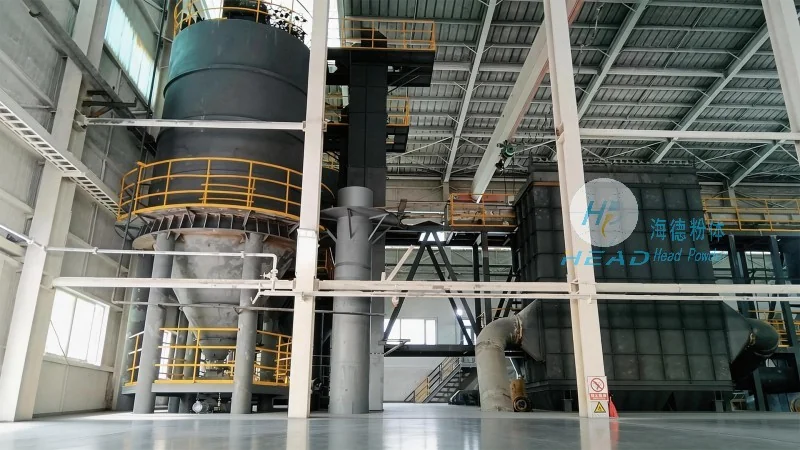
As a leading manufacturer in the field, Shandong HeadPowder Engineering Co., Ltd. specializes in the design, manufacturing, and installation of advanced pneumatic conveying systems. With a strong focus on innovation and quality, HeadPowder has established itself as a trusted partner for fertilizer producers seeking reliable and efficient material handling solutions. The company's headquarters is located in Shandong, China, where it leverages local expertise and resources to deliver tailored solutions that meet the specific needs of its clients.
Pneumatic conveying systems operate by using air pressure to move bulk materials through a network of pipes. This method is particularly suitable for compound fertilizers due to their granular or powdered nature, which can be easily suspended and transported by air currents. The technology offers several advantages over traditional mechanical conveying methods, including reduced maintenance costs, lower energy consumption, and improved safety by minimizing human exposure to hazardous materials.
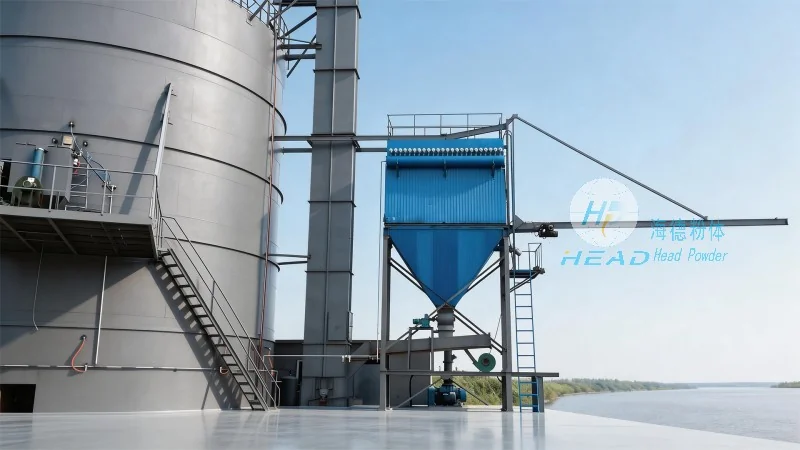
The operation of a compound fertilizer pneumatic conveying line typically involves several key steps, each designed to ensure smooth and continuous material flow. The process begins with the loading of the fertilizer into a hopper or storage silo. From there, the material is fed into the conveying system via a rotary valve or feeder, which controls the flow rate and consistency. The feeder then introduces the material into the pipeline, where it is mixed with a high-velocity air stream generated by a positive displacement blower or a rotary lobe pump. This air-fertilizer mixture travels through the pipeline to the discharge point, where it is separated from the air using a cyclone separator or a filter. The separated fertilizer is then collected in a receiving hopper or silo, while the air is either recirculated back into the system or vented to the atmosphere. Throughout the process, sensors and control systems monitor key parameters such as pressure, flow rate, and temperature to ensure optimal performance and prevent system failures.
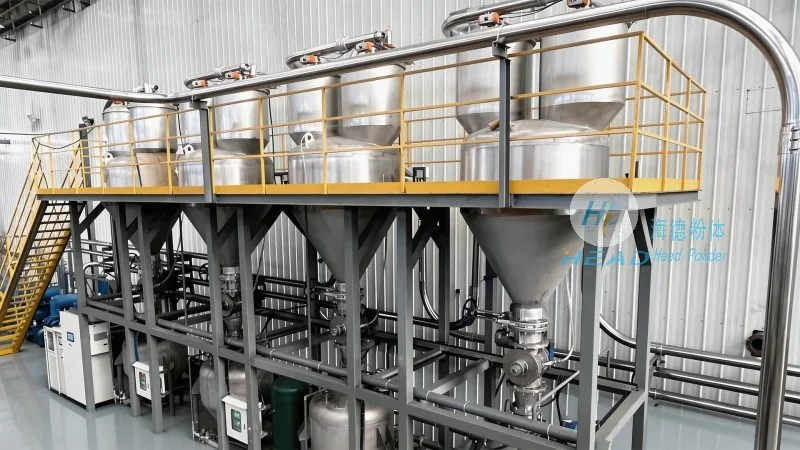
The core working principle of a compound fertilizer pneumatic conveying line revolves around the interaction between the material and the air stream. The system operates under either positive pressure or negative pressure, depending on the specific design and application requirements. In positive pressure systems, the blower creates a high-pressure air flow that pushes the material through the pipeline, while negative pressure systems use a vacuum to draw the material from the source. The choice between these two modes depends on factors such as the distance to be covered, the material characteristics, and the desired flow rate. The air velocity within the pipeline is critical, as it must be sufficient to suspend the fertilizer particles and maintain a stable flow. Typically, the air velocity is maintained at a level that ensures the material remains in a fluidized state, preventing blockages and ensuring consistent transport. The separation process at the discharge end is also a key component of the working principle, as it effectively separates the fertilizer from the air, allowing for the reuse of the air or proper disposal. This separation is achieved through the use of cyclone separators, which utilize centrifugal force to separate the heavier material from the lighter air, or through filter systems that capture fine particles and prevent them from being released into the environment.
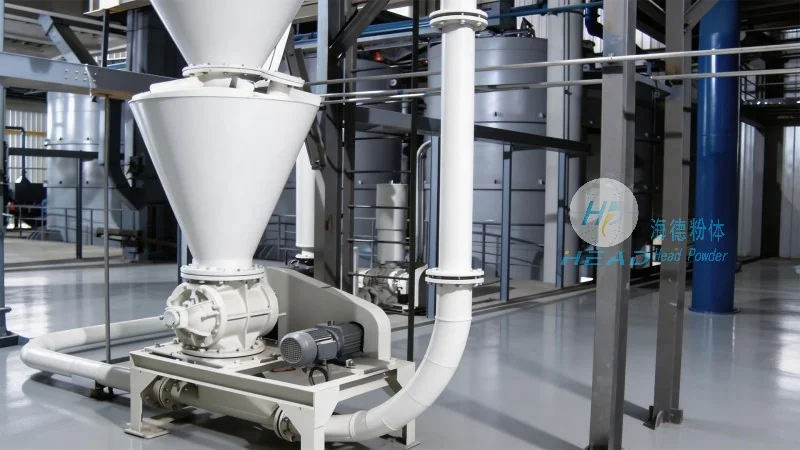
Several critical components work in tandem to ensure the efficient operation of a compound fertilizer pneumatic conveying line. These include the feeder, which controls the material feed rate; the blower or pump, which generates the air pressure; the pipeline network, which transports the material; the cyclone separator or filter, which separates the material from the air; and the control system, which monitors and adjusts the process parameters. Each component plays a vital role in maintaining the system's performance and ensuring the safe and efficient transfer of compound fertilizers. For example, the feeder must be designed to handle the specific characteristics of the fertilizer, such as its particle size and moisture content, to prevent clogging or uneven flow. The blower must be capable of delivering the required air volume and pressure to maintain the desired flow rate, while the pipeline must be constructed from materials that are resistant to corrosion and abrasion from the fertilizer particles. The cyclone separator must be sized appropriately to handle the volume of material and air, and the control system must be equipped with sensors that can detect any deviations from the normal operating conditions and trigger appropriate corrective actions.
Compound fertilizer pneumatic conveying lines offer numerous advantages over traditional conveying methods, making them an ideal choice for fertilizer producers. These advantages include increased operational efficiency, reduced labor costs, improved safety, and enhanced product quality. The systems are particularly well-suited for applications where long distances or multiple transfer points are required, as they can maintain consistent flow rates over extended periods. Additionally, the use of pneumatic conveying reduces the risk of material contamination and degradation, which is crucial for maintaining the quality of compound fertilizers. HeadPowder Engineering's systems are designed to meet the specific needs of various fertilizer applications, including the transport of granular, powdered, or liquid-based fertilizers, and can be customized to fit the unique requirements of each client.

 Shandong Headpowder Engineering Co., Ltd.
 156-6277-7102(Manager Zhang)
  0531-83386006
  Zhangqiu District, Jinan City, Shandong Province, China
telephone
WeChatconsult
top