

Operation Process and Working Principle of Intelligent Pneumatic Conveying Equipment
Intelligent pneumatic conveying equipment, as a core component in modern material handling systems, plays a crucial role in efficiently transporting bulk materials over long distances or within complex industrial environments. The operation process and working principle of such equipment are designed to ensure high efficiency, reliability, and minimal material degradation, making it an indispensable solution for various industries including food processing, pharmaceuticals, and chemical manufacturing.
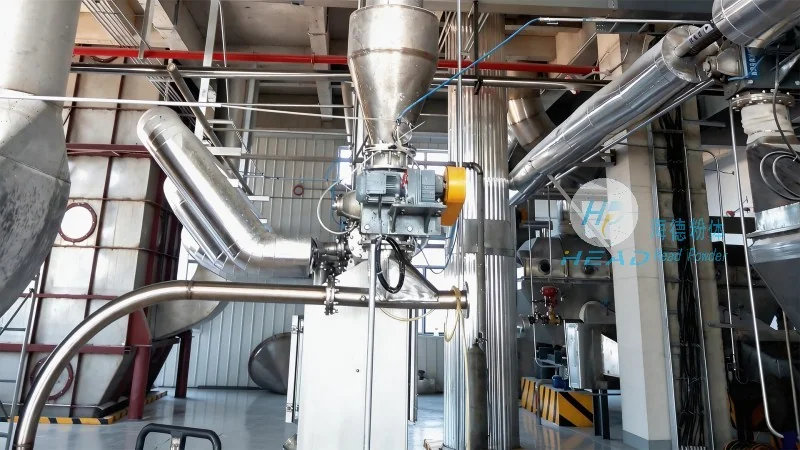
Overview of Intelligent Pneumatic Conveying Systems
The intelligent pneumatic conveying system is engineered to handle a wide range of materials, from fine powders to granules, with precision and consistency. It integrates advanced sensors and control algorithms to optimize the conveying process, reducing energy consumption and operational costs while enhancing safety and material integrity. These systems are designed to operate in diverse industrial settings, adapting to varying material properties and process requirements.
Key Components and Their Functions
The intelligent pneumatic conveying system typically comprises several critical components, each with a specific role in the overall operation. The air compressor generates the necessary pressure to move materials, while the hopper or feeder stores and meters the material at a controlled rate. The conveying line transports the material through the system, and the control unit monitors and adjusts process parameters in real-time. Each component is carefully selected and integrated to ensure seamless coordination and optimal performance, contributing to the system's reliability and efficiency.
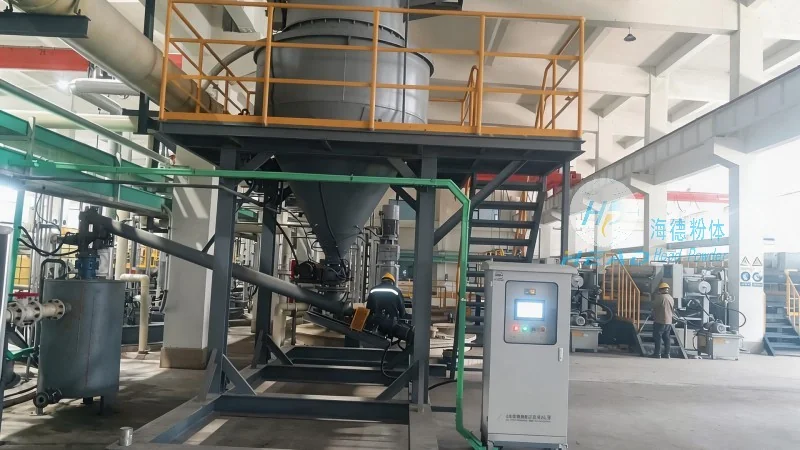
Operation Process: From Material Loading to Delivery
The operation process begins with material loading into the hopper. The feeder then meters the material at a consistent rate, ensuring a steady flow into the conveying line. Simultaneously, the air compressor produces high-pressure air, which is introduced into the line. As the air flows, it entrains the material particles, creating a dense phase flow that moves the material efficiently to the destination. The control unit continuously monitors pressure, flow rate, and material level, adjusting the system as needed to maintain optimal performance. Upon reaching the destination, the material is discharged into a collection bin or processing unit, completing the conveying cycle.
Working Principle: The Physics Behind Efficient Material Transport
The working principle of intelligent pneumatic conveying relies on fluid dynamics and particle motion. The system creates a pressure differential between the inlet and outlet of the conveying line. The high-pressure air from the compressor creates a low-pressure zone at the inlet, drawing material particles into the line. The air then carries the particles along the line, with velocity sufficient to overcome gravitational and frictional forces. The control system maintains optimal air velocity and pressure to prevent material degradation and minimize energy use. This physics-based approach ensures efficient and safe material transport.
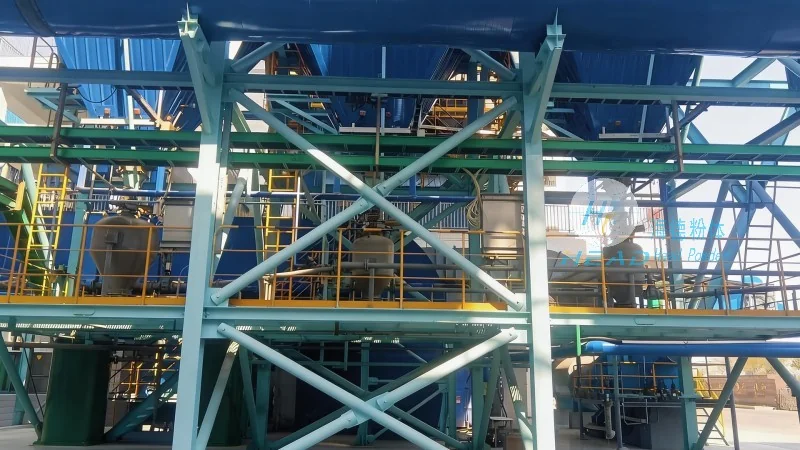
Advantages of Intelligent Pneumatic Conveying Equipment
Intelligent pneumatic conveying equipment offers significant advantages over traditional methods. The closed system design reduces dust emissions and environmental contamination, making it suitable for industries with strict hygiene and safety standards. The system is highly flexible, allowing for changes in material type, flow rate, or destination without major modifications. Advanced control features enable real-time monitoring and adjustments, improving efficiency and reducing downtime. Additionally, the equipment is designed for easy maintenance and cleaning, ensuring long-term reliability and low operational costs.
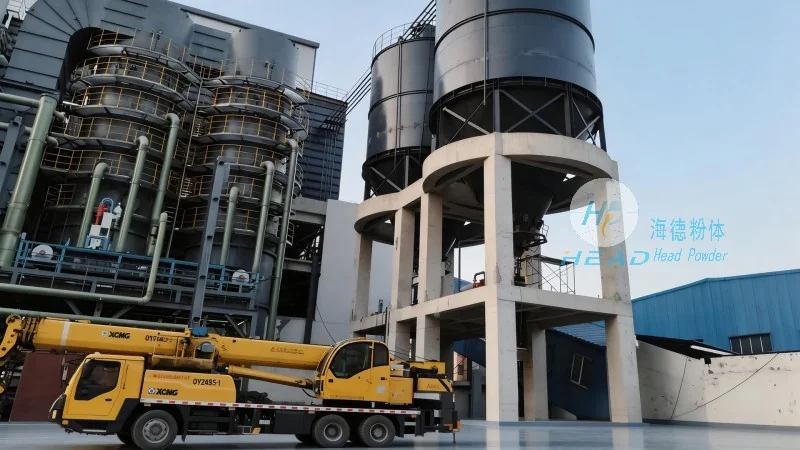
Applications in Various Industries
Intelligent pneumatic conveying equipment is widely applied across multiple industries due to its versatility. In the food and pharmaceutical sectors, the closed system ensures sterile and hygienic material handling, meeting regulatory requirements. In the chemical industry, it safely transports corrosive or hazardous materials with minimal risk. The mining and construction industries use it for bulk materials like sand, gravel, and coal. Its ability to handle diverse materials and operating conditions makes it a preferred solution for many industrial applications.
Conclusion
Intelligent pneumatic conveying equipment represents a technological advancement in material handling, providing efficient, reliable, and environmentally friendly solutions for bulk material transport. The operation process and working principle, as detailed above, highlight the sophistication and effectiveness of these systems. With ongoing advancements in control technologies and material handling, intelligent pneumatic conveying equipment will continue to be vital in modern industrial operations, ensuring high productivity and minimal environmental impact.