With more than 10‑year industry experience, Shandong Headpowder delivers full‑service pneumatic‑conveying systems and blowers, undertaking nationwide turn‑key powder‑handling projects.
For industries dealing with foam plastic materials, efficient and reliable material handling is crucial. The pneumatic conveying system, particularly designed for foam plastics, offers a solution that ensures smooth material transport while maintaining product integrity. This article delves into the operation process and working principle of foam plastic pneumatic conveying, highlighting the technical aspects and practical applications of this advanced material handling technology.
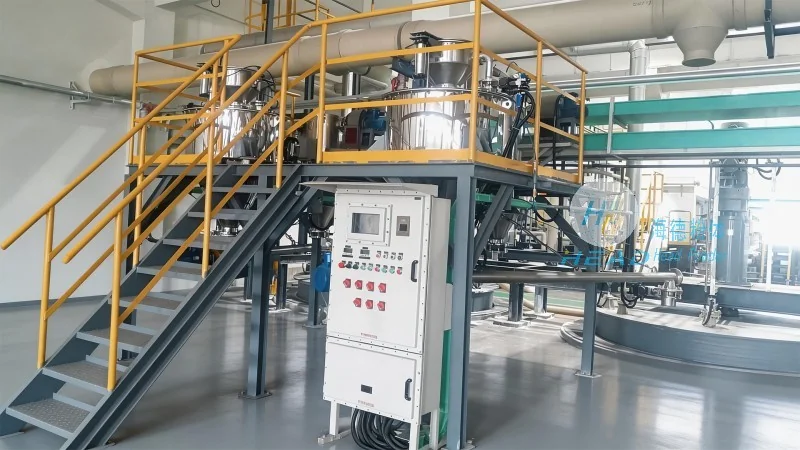
Shandong HeadPowder Engineering Co., Ltd., commonly known as HeadPowder, is a leading manufacturer and supplier of pneumatic conveying systems. With a strong focus on innovation and quality, HeadPowder specializes in customizing solutions for various industrial applications, including the handling of lightweight and delicate materials like foam plastics. HeadPowder's headquarters is located in Shandong, China, where the company leverages its expertise to develop cutting-edge material handling technologies.
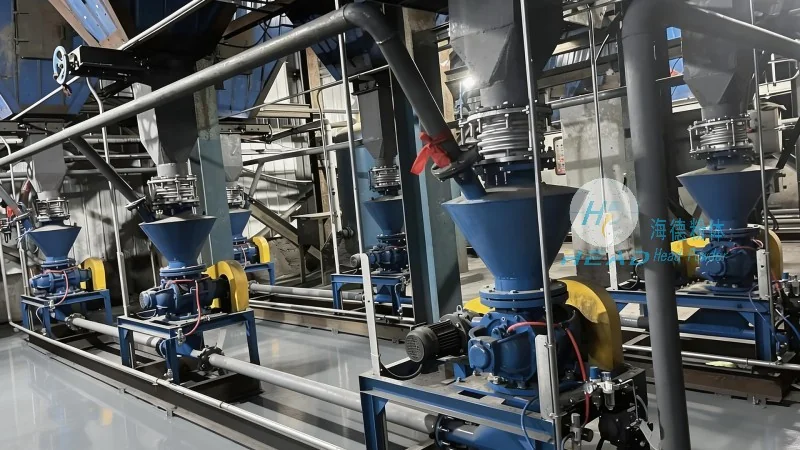
Pneumatic conveying, also known as air conveying, is a method of transporting bulk materials through a pipeline using compressed air. For foam plastics, this technology is particularly effective due to the material's low density and light weight. The system typically consists of a hopper, a blower or air compressor, a pipeline network, and a discharge unit. The key to successful foam plastic conveying lies in the proper design of the system to handle the unique properties of the material, such as its low bulk density and tendency to create air resistance during transport.
The operation process of foam plastic pneumatic conveying involves several key steps. First, the foam plastic material is fed into the hopper from a storage container. The hopper is designed to ensure a consistent flow of material into the system. Next, the blower or air compressor generates compressed air, which is introduced into the pipeline. The compressed air creates a pressure differential that draws the foam plastic particles into the pipeline. As the material moves through the pipeline, it is carried by the air stream, which helps to maintain the material's flow and prevent clogging. The discharge unit at the end of the pipeline collects the conveyed material and deposits it into the receiving container. Throughout the process, the system monitors air pressure, flow rate, and material level to ensure optimal performance and prevent any operational issues.
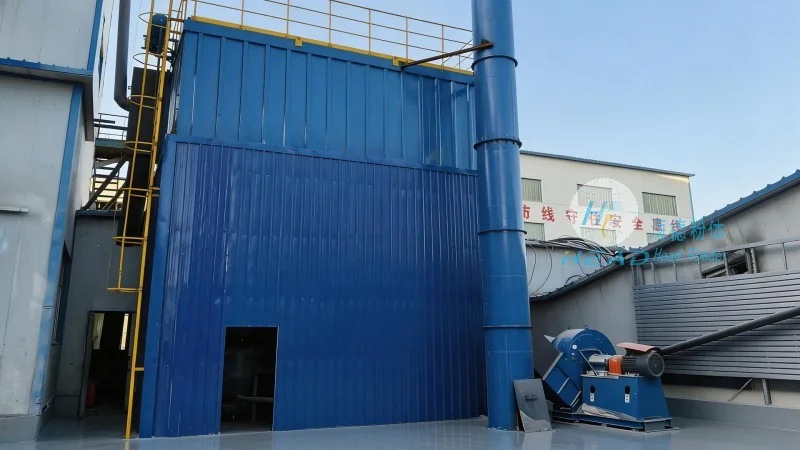
The working principle of foam plastic pneumatic conveying is based on the principles of fluid dynamics and particle transport. The system relies on the force of compressed air to move the material through the pipeline. The compressed air creates a low-pressure zone in the pipeline, which draws the foam plastic particles into the air stream. The material is then carried by the air as it travels through the pipeline. The velocity of the air and the size of the foam plastic particles determine the conveying velocity and the pressure drop along the pipeline. The system is designed to maintain a stable flow of air and material, ensuring that the foam plastic particles are not damaged during transport. The use of appropriate pipeline diameters, air velocities, and material feed rates is critical to achieving efficient and reliable conveying.
Foam plastic pneumatic conveying offers several technical advantages over traditional material handling methods. One of the primary advantages is the ability to transport materials over long distances without the need for multiple transfer points. The system is also highly flexible, allowing for easy integration with existing production lines. Additionally, the system can handle a wide range of foam plastic materials, including different densities and shapes. The use of compressed air also reduces the risk of material contamination, as the system is enclosed and does not require direct contact with the material. Furthermore, the system is energy-efficient, as the blower or air compressor can be sized to match the specific conveying requirements, minimizing energy consumption.
Foam plastic pneumatic conveying is widely used in various industries, including the automotive, packaging, and construction sectors. In the automotive industry, the system is used to transport foam plastic components for vehicle interiors and exteriors. In the packaging industry, it is used to convey foam plastic packaging materials to production lines. In the construction industry, it is used to transport foam plastic insulation materials to building sites. The system is also used in research and development facilities to handle experimental foam plastic materials. The versatility of the system makes it suitable for a wide range of applications, ensuring that industries can efficiently handle their foam plastic materials.
HeadPowder places a strong emphasis on quality assurance and maintenance for its pneumatic conveying systems. The company uses high-quality materials and components to ensure the durability and reliability of the system. Regular maintenance is performed to ensure that the system operates at optimal performance levels. The maintenance schedule includes checking air pressure, cleaning the pipeline, and inspecting the blower or air compressor. HeadPowder also provides technical support and training to its customers to ensure that they can operate and maintain the system effectively. The company's commitment to quality and customer service has made it a trusted partner for industries dealing with foam plastic materials.
Foam plastic pneumatic conveying is an efficient and reliable method of material handling for industries dealing with lightweight and delicate materials. The system's operation process and working principle are based on the principles of fluid dynamics and particle transport, ensuring that the material is transported smoothly and without damage. HeadPowder's expertise in designing and manufacturing pneumatic conveying systems makes it an ideal partner for industries seeking to improve their material handling processes. With its focus on quality and customer service, HeadPowder provides solutions that meet the specific needs of its customers, ensuring that they can achieve efficient and reliable material transport.

 Shandong Headpowder Engineering Co., Ltd.
 156-6277-7102(Manager Zhang)
  0531-83386006
  Zhangqiu District, Jinan City, Shandong Province, China
telephone
WeChatconsult
top