With more than 10‑year industry experience, Shandong Headpowder delivers full‑service pneumatic‑conveying systems and blowers, undertaking nationwide turn‑key powder‑handling projects.
HeadPowder, a leading provider in the field of material handling solutions, specializes in the design, manufacturing, and implementation of pneumatic conveying systems tailored for textile fiber applications. Based in Shandong, China, the company leverages advanced engineering expertise to deliver efficient and reliable systems that meet the unique demands of the textile industry.
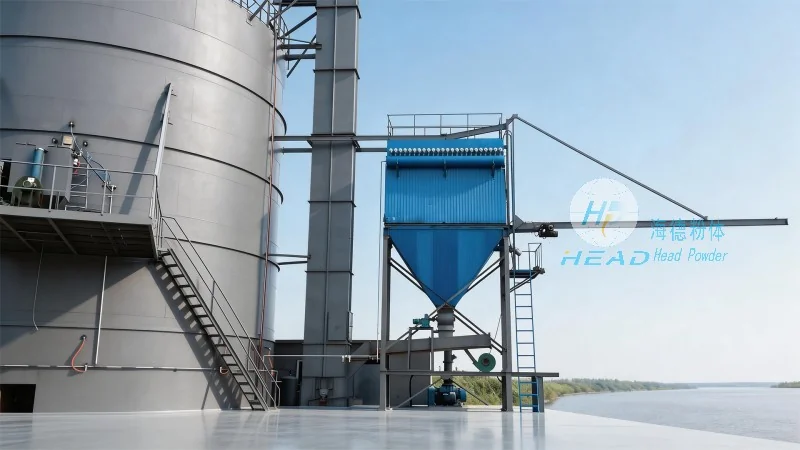
Pneumatic conveying, also known as air conveying, is a method of transporting bulk materials, including textile fibers, through a pipeline using air pressure or vacuum. This technology offers a non-contact, dust-free, and hygienic solution for moving fibers from one location to another, which is critical in textile processing environments where contamination and material degradation must be minimized. The system typically consists of a series of components that work in tandem to ensure smooth and efficient material transport.
The core components of a pneumatic conveying system for textile fibers include the material feed hopper, the conveying line (often made of stainless steel to prevent corrosion and maintain fiber integrity), the air mover (either a positive displacement blower or a vacuum pump), and the discharge hopper. Each component plays a crucial role in the overall operation. The feed hopper ensures a consistent flow of fibers into the system, while the conveying line provides the path for the material to travel. The air mover generates the necessary pressure or vacuum to propel the fibers through the line. The discharge hopper at the end of the line collects the fibers, which can then be further processed or stored.
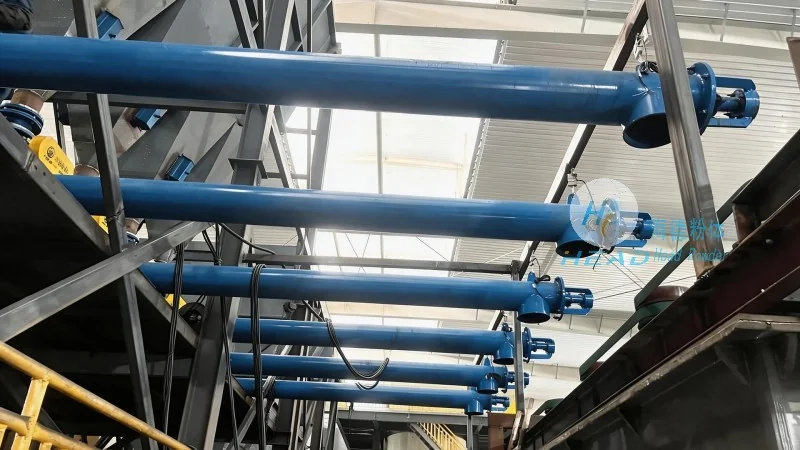
The operation of a textile fiber pneumatic conveying system follows a systematic sequence. Initially, the textile fibers are loaded into the feed hopper. A rotary valve or a feeder mechanism then releases the fibers into the conveying line at a controlled rate. Simultaneously, the air mover activates, creating a flow of air within the pipeline. This air flow, combined with the material, forms a slurry or a dense phase stream that moves through the system. As the fibers travel through the conveying line, they encounter various components such as bends, filters, and pressure relief valves, which help maintain the flow and prevent blockages. The system is designed to handle different types of fibers, including cotton, polyester, and other synthetic fibers, with varying moisture content and particle sizes. The discharge hopper at the end of the line collects the fibers, which can then be further processed or stored. The entire process is automated, allowing for continuous operation and minimal human intervention, thus enhancing productivity and reducing labor costs.
The working principle of a pneumatic conveying system for textile fibers revolves around the dynamics of air pressure and vacuum. In a positive pressure system, the air mover (usually a blower) supplies compressed air into the conveying line, pushing the fibers forward. The air pressure is maintained at a level sufficient to overcome the resistance caused by the fiber's density and the pipeline's friction. The velocity of the air is carefully controlled to ensure that the fibers are conveyed without causing excessive wear on the pipeline or the air mover. In a negative pressure system, a vacuum pump creates a vacuum within the line, drawing the fibers into the pipeline. This method is often used for short-distance conveying or when the material needs to be transported from a higher elevation to a lower one. The choice between positive and negative pressure depends on factors such as the distance between the feed and discharge points, the height difference, and the material's properties. Both systems rely on the principle of air flow to transport the fibers, but the specific design and components may vary to suit the application requirements.
Pneumatic conveying systems offer several advantages when applied to textile fiber handling. Firstly, they provide a dust-free and hygienic environment, which is essential in textile processing where dust can affect the quality of the final product and pose health risks to workers. Secondly, the non-contact nature of the system prevents contamination and degradation of the fibers, ensuring that the material remains in its original state. Thirdly, the system is highly efficient in terms of energy consumption and operational costs, as it eliminates the need for mechanical conveyors such as belts or buckets, which require regular maintenance and replacement. Additionally, pneumatic conveying allows for flexible system design, as the pipeline can be easily reconfigured or extended to accommodate changes in production needs. The automation capabilities of these systems also contribute to improved productivity and reduced labor costs, making them a preferred choice for modern textile facilities.
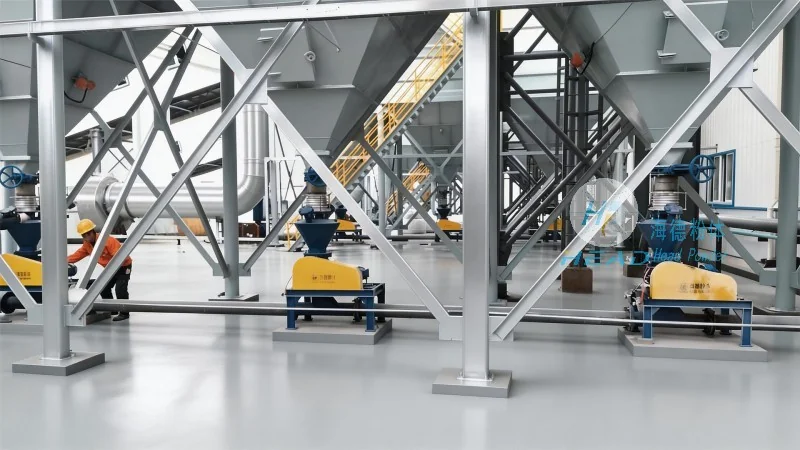
HeadPowder recognizes that each textile facility has unique requirements, and therefore, offers customized pneumatic conveying solutions tailored to specific applications. The company's engineers work closely with clients to understand their material handling needs, production volumes, and operational constraints. Based on this information, they design systems that optimize performance, efficiency, and cost-effectiveness. For example, for facilities handling large volumes of cotton fibers, a high-capacity positive pressure system may be recommended, while for smaller-scale operations with synthetic fibers, a compact negative pressure system might be more suitable. The company also considers factors such as the fiber's moisture content, particle size distribution, and the distance between the feed and discharge points when designing the system. This customization ensures that the final solution meets the exact needs of the client, providing long-term reliability and performance.
Proper maintenance is crucial to ensure the longevity and optimal performance of pneumatic conveying systems for textile fibers. HeadPowder provides comprehensive maintenance services to its clients, including regular inspections, cleaning, and replacement of worn components. The stainless steel construction of the conveying line, for instance, is resistant to corrosion and wear, but it still requires periodic cleaning to remove accumulated fiber debris. The air mover and other mechanical components also need regular maintenance to prevent breakdowns and ensure consistent performance. The company's maintenance team is trained to handle all aspects of system maintenance, from routine checks to emergency repairs. By adhering to a regular maintenance schedule, textile facilities can minimize downtime, reduce repair costs, and extend the lifespan of their conveying systems. This approach not only enhances operational efficiency but also contributes to the overall sustainability of the facility.

 Shandong Headpowder Engineering Co., Ltd.
 156-6277-7102(Manager Zhang)
  0531-83386006
  Zhangqiu District, Jinan City, Shandong Province, China
telephone
WeChatconsult
top