Understanding the operation process and working principle of sodium glutamate pneumatic conveying is crucial for optimizing material handling in industrial applications. This article provides a detailed overview of the key components, operational steps, and technical aspects involved in the pneumatic conveying system designed for sodium glutamate, a widely used food additive and industrial chemical.
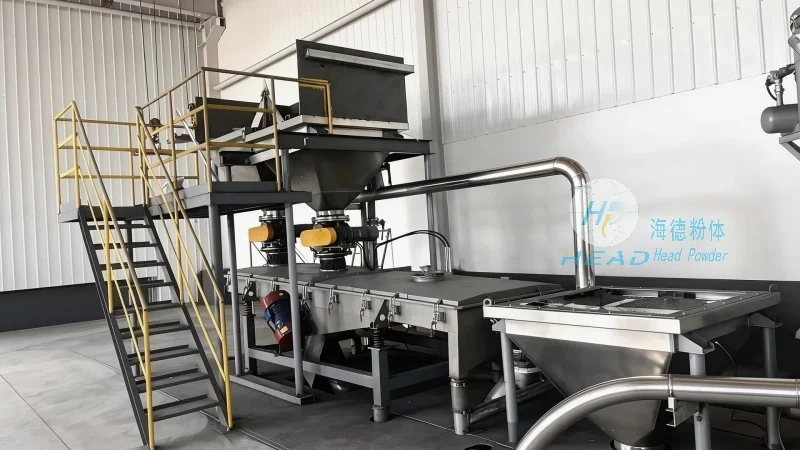
Introduction to Sodium Glutamate Pneumatic Conveying
Sodium glutamate, also known as MSG (monosodium glutamate), is a common flavor enhancer in the food industry and a raw material in various chemical processes. Pneumatic conveying offers an efficient method to transport this granular material from storage to processing units, ensuring minimal product degradation and operational safety. The system combines air flow with mechanical components to move the material through pipelines, making it suitable for both short and long-distance transport.
Key Components of the Pneumatic Conveying System
The sodium glutamate pneumatic conveying system consists of several critical components that work in tandem to achieve effective material transport. These include:
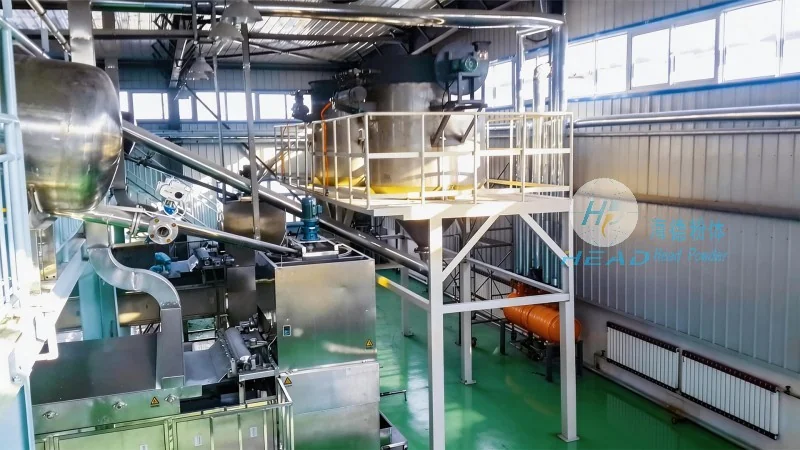
- Feed Hopper: A storage vessel that holds the bulk sodium glutamate, equipped with a discharge valve to regulate the material flow into the conveying line.
- Air Supply System: Comprising a blower or compressor that generates the necessary air pressure and volume to create the conveying air stream. The system is designed to handle the specific air requirements for granular sodium glutamate, ensuring sufficient velocity to overcome friction and maintain material suspension.
- Conveying Pipeline: A network of pipes that transports the sodium glutamate and air mixture. The pipe diameter and material (e.g., stainless steel) are selected to minimize pressure drop and prevent material buildup or corrosion.
- Control Valves and Regulators: Devices that manage the air flow rate, pressure, and material discharge, allowing precise control over the conveying process. These components help maintain consistent material transport and prevent system overloading.
- Receiver Tank: A collection vessel at the destination where the sodium glutamate is deposited after the conveying process. The tank is equipped with a discharge mechanism to transfer the material to the next processing stage.
Working Principle of the Pneumatic Conveying Process
The operation of the sodium glutamate pneumatic conveying system follows a systematic sequence of steps, each contributing to the efficient movement of the material. The process begins with the material being fed from the hopper into the pipeline, where it is mixed with the high-velocity air stream generated by the blower. The air flow creates a drag force that lifts and transports the granules through the pipeline. The key principles include:
- Drag Conveying: The primary method where the air stream directly contacts the material particles, pulling them along the pipeline. This is suitable for low to medium material loads and short to medium distances.
- Pressure Conveying: Involves creating a pressure differential between the hopper and the receiver, using compressed air to push the material through the system. This method is effective for longer distances and higher material loads.
- Velocity Control: Maintaining an appropriate air velocity is critical to prevent material deposition or blockage in the pipeline. The velocity must be sufficient to keep the particles in suspension but not excessively high to cause excessive wear or energy consumption.
Operational Steps and Process Flow
The operational process of the sodium glutamate pneumatic conveying system can be broken down into the following sequential steps:
- Material Loading: Sodium glutamate is loaded into the feed hopper from bulk storage. The hopper is equipped with a level indicator to monitor the material inventory and a discharge valve to control the flow rate.
- Air Initiation: The air supply system is activated, and the blower starts operating, generating the required air pressure and flow rate. The air is filtered to remove contaminants that could affect the material quality or system performance.
- Material Conveying: The discharge valve in the hopper opens, allowing sodium glutamate to enter the conveying pipeline. The air stream lifts the granules and transports them through the pipeline to the receiver tank. The system monitors the air pressure and flow rate to ensure consistent transport.
- Material Deposition: Upon reaching the receiver tank, the sodium glutamate is deposited. The tank may include a vibration or agitation system to prevent material bridging or caking, ensuring smooth discharge.
- System Shutdown: After the conveying operation is complete, the air supply is turned off, and the system is cleaned to remove any residual material. The hopper and receiver are prepared for the next batch of material.
Advantages of Pneumatic Conveying for Sodium Glutamate
Implementing a pneumatic conveying system for sodium glutamate offers several advantages over traditional mechanical conveying methods. These include:
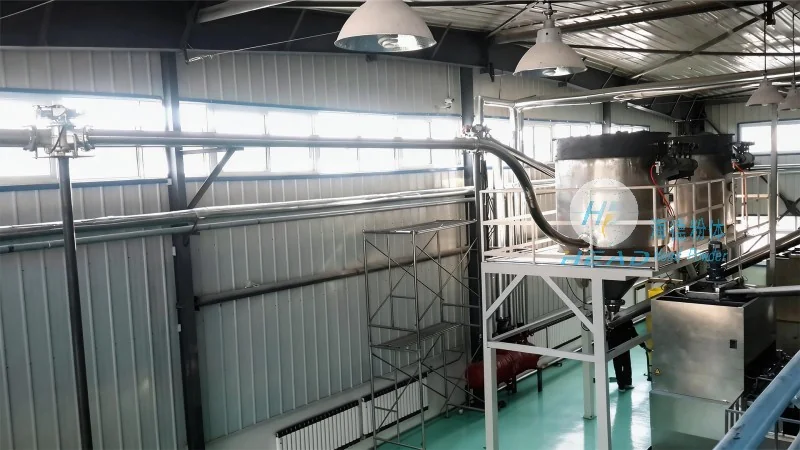
- Reduced Product Contamination: The enclosed system minimizes exposure to external contaminants, maintaining the purity and quality of the sodium glutamate.
- Improved Safety: Eliminates the need for manual handling of bulk material, reducing the risk of dust exposure and physical injuries.
- Energy Efficiency: Optimized air flow and system design result in lower energy consumption compared to other transport methods, especially for long-distance transport.
- Space Efficiency: The compact design of the pneumatic conveying system requires less floor space compared to traditional silos and conveyor belts, making it suitable for industrial facilities with limited space.
- Flexibility in Layout: The system can be easily reconfigured or expanded to accommodate changes in production volume or facility layout, providing long-term operational flexibility.
Maintenance and Operational Considerations
To ensure the reliable and efficient operation of the sodium glutamate pneumatic conveying system, regular maintenance and proper operational practices are essential. Key considerations include:
- Regular Cleaning: The system should be cleaned after each batch to prevent material buildup, which can lead to blockages or reduced conveying efficiency.
- Filter Maintenance: The air filters must be inspected and replaced regularly to maintain air quality and prevent clogging, which can affect the blower performance.
- Component Inspection: Periodic inspection of the hopper, pipeline, and control valves is necessary to detect wear, corrosion, or damage that could impact system performance.
- Pressure Monitoring: Continuous monitoring of air pressure and flow rate helps identify any deviations from the optimal operating conditions, allowing timely adjustments to maintain system efficiency.
- Training and Safety Protocols: Operators should be trained on the proper operation and safety procedures of the pneumatic conveying system to prevent accidents and ensure compliance with industrial safety standards.
Conclusion
Sodium glutamate pneumatic conveying is a highly effective and efficient method for transporting this critical material in industrial applications. By understanding the key components, working principles, and operational steps involved, manufacturers can optimize their material handling processes, enhance product quality, and improve overall operational efficiency. The system, when properly designed, maintained, and operated, offers significant advantages over traditional conveying methods, making it a preferred choice for many industries relying on sodium glutamate.

 Shandong Headpowder Engineering Co., Ltd.
 156-6277-7102(Manager Zhang)
  0531-83386006
  Zhangqiu District, Jinan City, Shandong Province, China