With more than 10‑year industry experience, Shandong Headpowder delivers full‑service pneumatic‑conveying systems and blowers, undertaking nationwide turn‑key powder‑handling projects.
Plastic material handling is a critical aspect of many industrial processes, and selecting the right conveying method can significantly impact efficiency, cost, and product quality. As a leading manufacturer in the field, Shandong HeadPowder Engineering Co., Ltd. (referred to as HeadPowder) specializes in providing advanced solutions for plastic material transport. This article explores various plastic conveying methods and highlights the benefits of HeadPowder's pneumatic conveying systems.
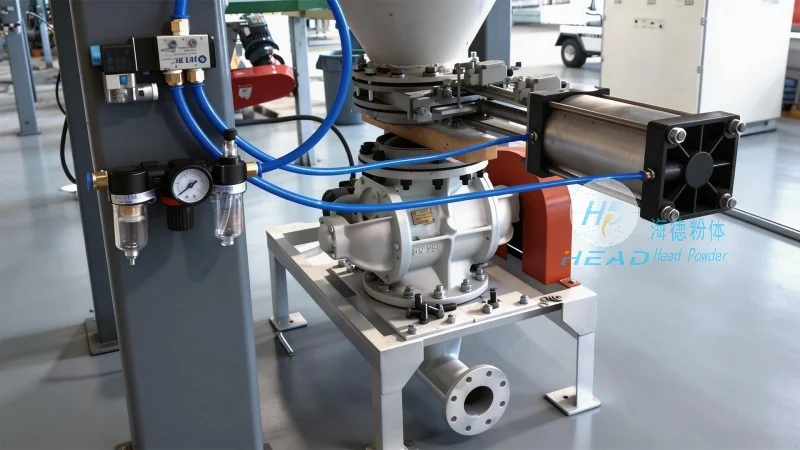
Before delving into specific solutions, it's essential to understand the different types of plastic conveying systems available. Traditional methods like belt conveyors, screw conveyors, and bucket elevators are widely used but may face limitations when handling fine powders or abrasive materials. These methods often struggle with material segregation, dust generation, and maintenance issues, especially in high-volume applications. For industries dealing with plastic powders, granules, or pellets, pneumatic conveying has emerged as a superior alternative due to its ability to handle a wide range of materials with minimal product degradation.
When transporting plastic materials, several challenges must be addressed to ensure optimal performance. One of the primary concerns is material flow and handling. Plastic powders and granules can be cohesive or have poor flow characteristics, leading to blockages or uneven transport. Another challenge is contamination control, as plastic materials are often sensitive to moisture, dust, or other particles that could affect their properties. Additionally, energy efficiency and operational costs are critical factors for businesses aiming to improve their bottom line. Traditional mechanical conveyors may require frequent maintenance and higher energy consumption compared to pneumatic systems, making them less cost-effective in the long run.
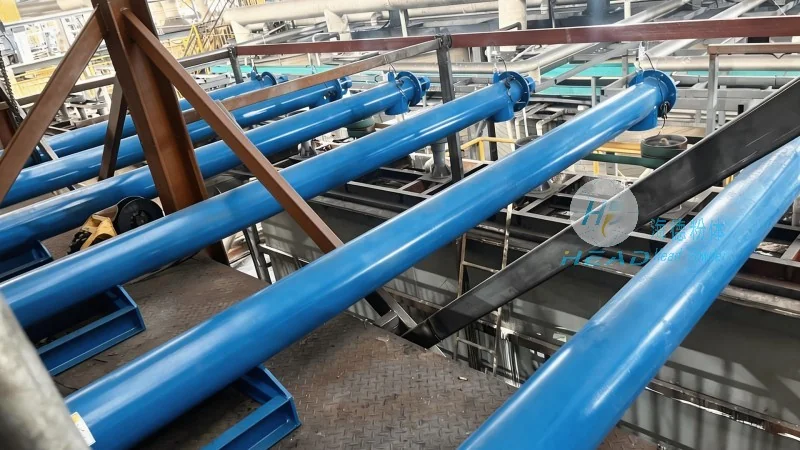
HeadPowder offers a comprehensive range of pneumatic conveying systems tailored to the unique needs of plastic processing industries. The company's solutions are designed to address the challenges mentioned above, providing reliable, efficient, and cost-effective material transport. HeadPowder's pneumatic conveying systems utilize air or gas to move plastic materials through a pipeline network, eliminating the need for mechanical components that can cause wear and tear. This design not only reduces maintenance requirements but also minimizes product contamination, ensuring that the transported plastic remains in pristine condition.
HeadPowder provides several types of pneumatic conveying systems, each suited to different operational requirements and material characteristics. The most common types include pressure conveying, vacuum conveying, and combined systems. Pressure conveying systems use compressed air to push material through the pipeline, making them ideal for long-distance transport and high-volume applications. Vacuum conveying systems, on the other hand, use suction to draw material into the pipeline, which is suitable for handling fine powders and granules from hoppers or containers. Combined systems offer the flexibility to switch between pressure and vacuum modes, allowing for versatile material handling in various production stages.
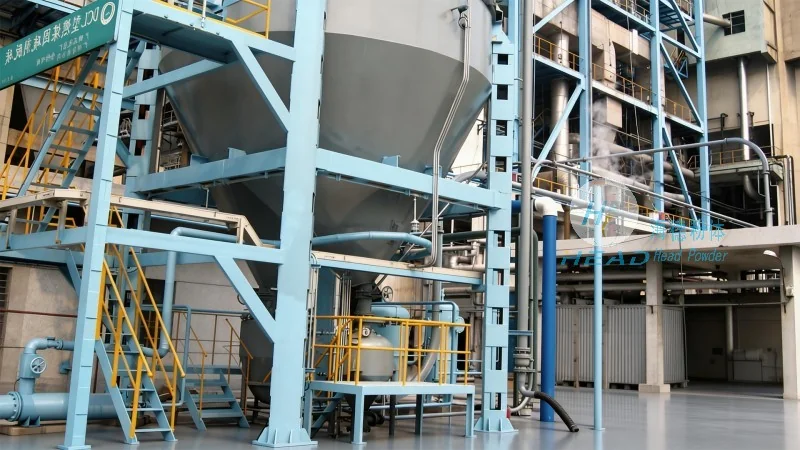
Implementing HeadPowder's pneumatic conveying systems offers numerous advantages for plastic manufacturers. First, the systems are highly efficient in terms of energy consumption, as they use compressed air that can be recycled and reused, reducing operational costs. Second, the design minimizes product degradation, as there are no mechanical components that can cause friction or impact on the plastic particles. This is particularly important for heat-sensitive or delicate plastic materials that require gentle handling. Third, the systems are easy to integrate into existing production lines, with minimal disruption to current operations. HeadPowder also provides customization options to meet specific requirements, ensuring that the solution fits seamlessly into the client's workflow.
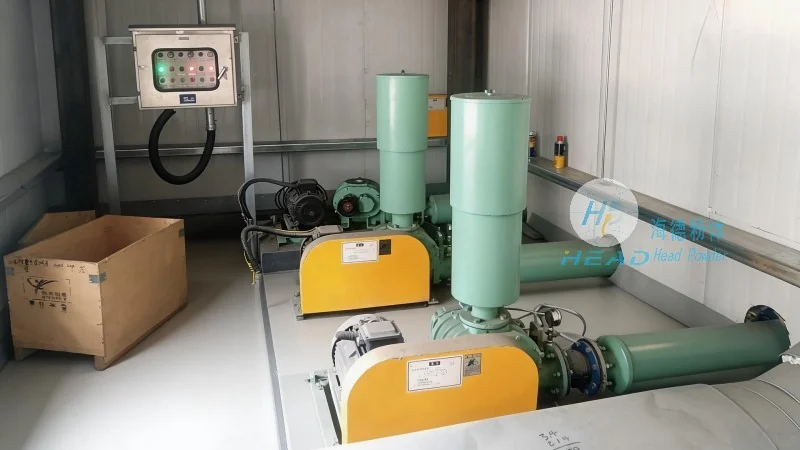
HeadPowder's pneumatic conveying systems have been successfully implemented in various plastic processing applications. For example, in the production of plastic pellets, the system can efficiently transport raw materials from storage silos to processing equipment, ensuring a continuous and smooth flow. In the manufacturing of plastic powders, the vacuum conveying system is ideal for transferring fine powders from hoppers to mixers or extruders, preventing dust accumulation and maintaining product quality. Additionally, the systems are used in recycling facilities to transport recycled plastic materials from sorting stations to processing units, contributing to a more sustainable and efficient recycling process.
Choosing the right plastic conveying method is crucial for optimizing industrial processes and maintaining product quality. While traditional mechanical conveyors have their place, pneumatic conveying systems, particularly those offered by HeadPowder, provide superior performance and reliability. By addressing the challenges of material flow, contamination control, and energy efficiency, HeadPowder's solutions help plastic manufacturers improve their operational efficiency and reduce costs. As a trusted partner in the industry, HeadPowder continues to innovate and provide advanced material handling solutions that meet the evolving needs of the plastic processing sector.

 Shandong Headpowder Engineering Co., Ltd.
 156-6277-7102(Manager Zhang)
  0531-83386006
  Zhangqiu District, Jinan City, Shandong Province, China
telephone
WeChatconsult
top