With more than 10‑year industry experience, Shandong Headpowder delivers full‑service pneumatic‑conveying systems and blowers, undertaking nationwide turn‑key powder‑handling projects.
HeadPowder, a leading provider of industrial conveying solutions, specializes in pneumatic conveying systems designed for handling glass particle materials. This article explores the fundamental principles behind these systems and highlights the key working scene characteristics that make them ideal for various industrial applications.
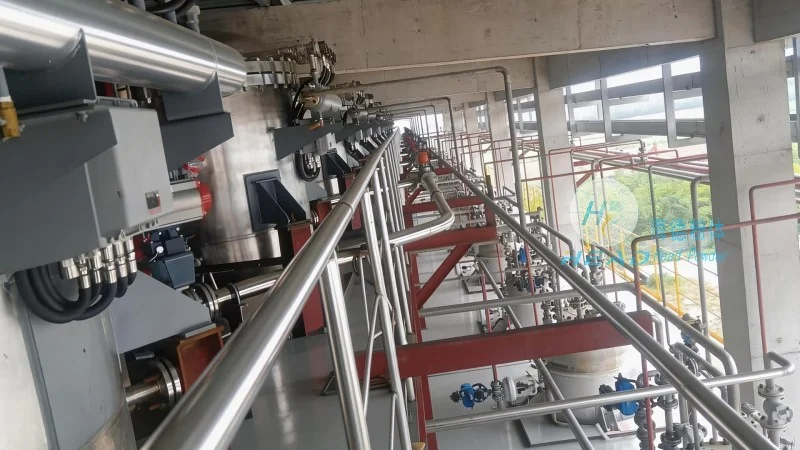
Pneumatic conveying equipment operates by using air or gas to transport bulk materials through a pipeline system. For glass particles, this method offers several advantages over traditional mechanical conveying methods. The core principle involves creating a pressure differential or using vacuum to move the material from the source to the destination. In the case of glass particles, which are often fine and abrasive, specialized designs are crucial to prevent wear and ensure efficient transport.
The pneumatic conveying system for glass particles typically consists of several key components, including a hopper for material storage, a feeder to control the flow rate, a conveying line, and a receiver for the discharged material. The system may operate under positive pressure (pressure conveying) or negative pressure (vacuum conveying), depending on the specific requirements of the application. Positive pressure systems use compressed air to push the material through the pipeline, while vacuum systems use suction to draw the material. For glass particles, positive pressure systems are often preferred as they can handle higher material loads and are more effective in preventing material degradation.
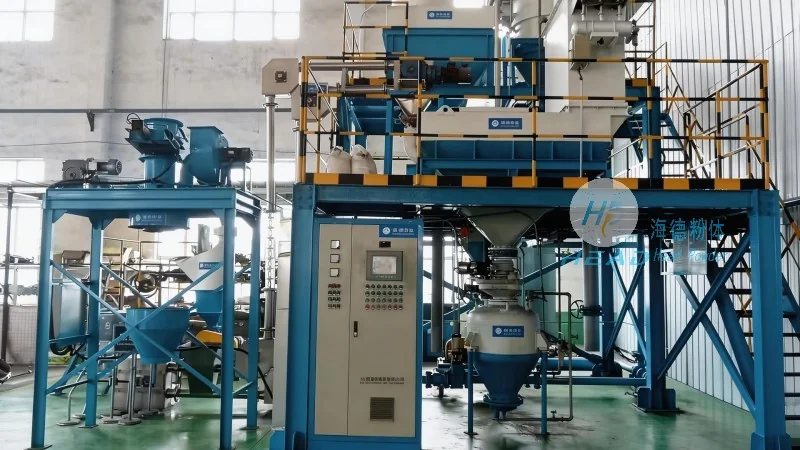
The working scene characteristics of pneumatic conveying equipment for glass particles are tailored to meet the demands of various industrial environments. These systems are commonly used in glass manufacturing facilities, where they are employed to transport raw materials such as sand, cullet, and additives from storage areas to processing lines. The ability to handle fine glass particles without causing contamination or damage is a critical factor in these applications. Additionally, the systems are suitable for use in environments where dust control is essential, as the enclosed pipeline design minimizes the release of airborne particles.
HeadPowder's pneumatic conveying equipment for glass particles offers several advantages, including high efficiency, low maintenance costs, and the ability to handle abrasive materials without significant wear. The systems are designed to maintain material integrity and prevent breakage, which is crucial for maintaining product quality in glass manufacturing. Performance metrics such as conveying capacity, pressure drop, and energy consumption are carefully optimized to ensure reliable operation in demanding industrial settings. The use of high-quality materials and advanced engineering ensures that these systems can operate continuously for extended periods without downtime.
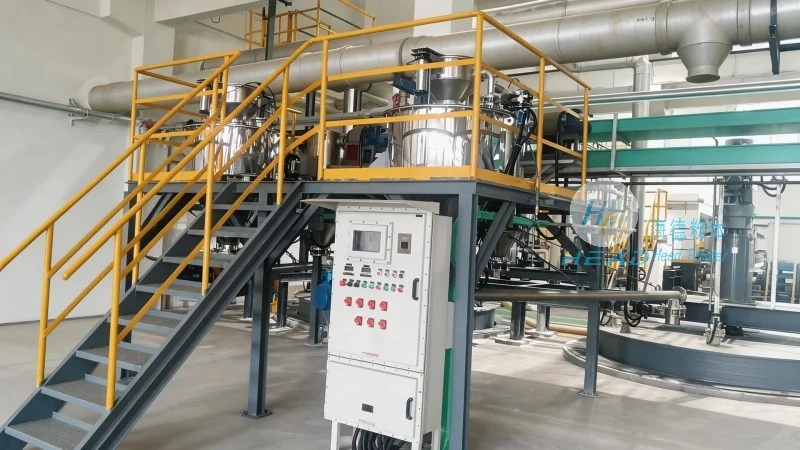
HeadPowder provides customized pneumatic conveying solutions tailored to the specific needs of each client. The company's engineers work closely with customers to understand their operational requirements and design systems that meet industry standards for safety and performance. Compliance with relevant regulations, such as those related to dust explosion prevention, is a key consideration in the design of these systems. The equipment is manufactured to meet international standards, ensuring compatibility with existing industrial infrastructure and ease of integration into existing production lines.
HeadPowder's pneumatic conveying equipment for glass particle materials represents a reliable and efficient solution for industrial material handling. By leveraging the principles of pneumatic transport and incorporating specialized designs for glass particles, these systems offer significant advantages in terms of performance, safety, and cost-effectiveness. The working scene characteristics of these systems make them suitable for a wide range of applications in the glass industry, contributing to improved productivity and product quality.

 Shandong Headpowder Engineering Co., Ltd.
 156-6277-7102(Manager Zhang)
  0531-83386006
  Zhangqiu District, Jinan City, Shandong Province, China
telephone
WeChatconsult
top