With more than 10‑year industry experience, Shandong Headpowder delivers full‑service pneumatic‑conveying systems and blowers, undertaking nationwide turn‑key powder‑handling projects.
Regenerated sand material pneumatic conveying lines represent a sophisticated solution for the efficient handling and transportation of sand-based materials in various industrial applications. This technology is particularly crucial in environments where traditional mechanical conveyors may face challenges such as material abrasiveness, dust generation, or space constraints. The system leverages air pressure to transport bulk materials, offering a flexible and reliable method for moving sand and other granular substances.
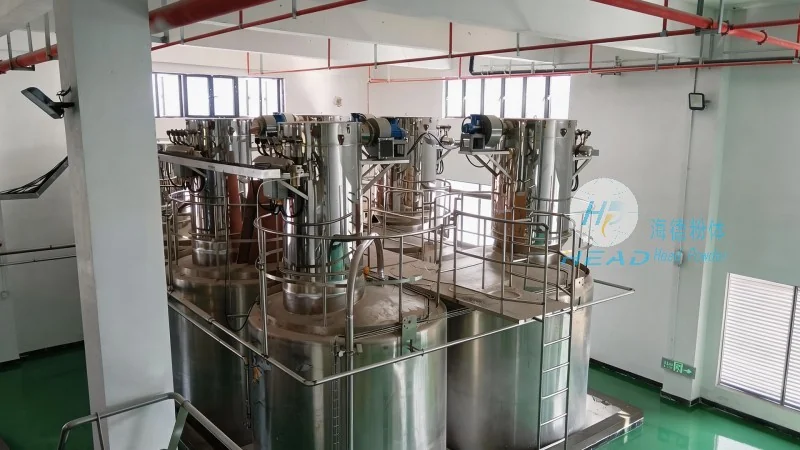
HeadPowder, a leading engineering company based in Shandong, China, specializes in designing and manufacturing advanced pneumatic conveying systems tailored for the construction and foundry industries. Our regenerated sand material pneumatic conveying lines are engineered to handle the unique challenges of transporting sand, including its abrasive nature and varying particle sizes. The system integrates high-efficiency air pumps, specialized ductwork, and control systems to ensure optimal performance and minimal maintenance. Key features include adjustable air pressure control, which allows for precise material flow regulation, and durable components that withstand the rigors of continuous operation in foundry and construction settings.
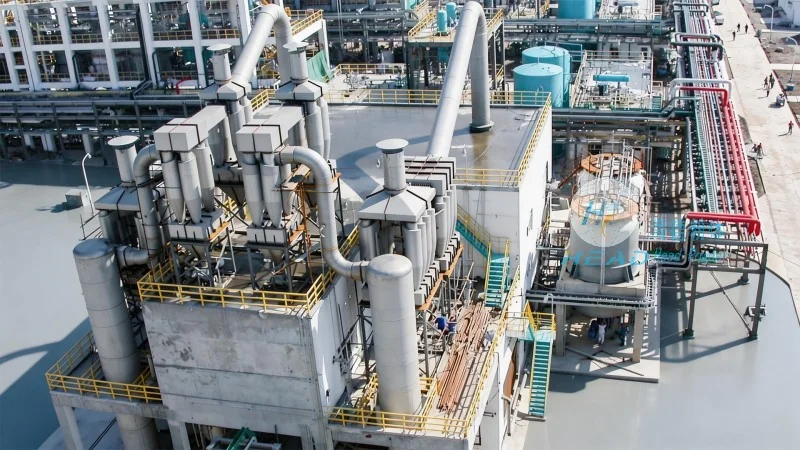
The core principle of pneumatic conveying involves using compressed air to create a flow that transports solid materials through a pipeline. In the case of regenerated sand material systems, the process begins with the material being fed into a hopper or feeder. From there, the material is drawn into the conveying line by the air flow generated by a positive displacement blower or rotary lobe pump. The air pressure creates a vacuum or pressure differential that propels the sand particles forward. The system can operate in either dilute-phase or dense-phase modes, depending on the material characteristics and required flow rates. Dilute-phase systems use higher air velocities to move materials quickly, while dense-phase systems use lower velocities and higher air volumes to ensure gentle handling and reduce product degradation.
The effectiveness of regenerated sand material pneumatic conveying lines is heavily influenced by the specific working environments in which they are deployed. These systems are commonly used in foundries for transporting sand from storage to molding machines, and in construction sites for moving sand from stockpiles to mixing facilities. The primary characteristics of these working scenes include:
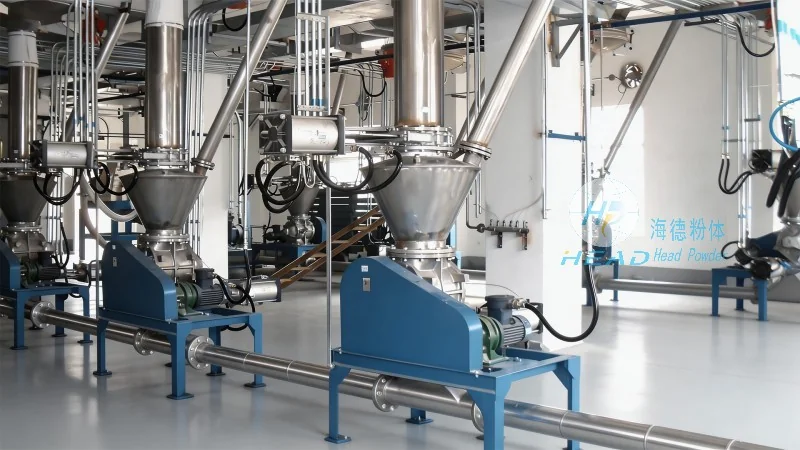
HeadPowder Engineering, with its headquarters in Shandong, China, is dedicated to providing innovative solutions for material handling challenges. Our team of experienced engineers and technicians specializes in customizing pneumatic conveying systems to meet the unique needs of each client. The company's facilities in Shandong are equipped with advanced manufacturing capabilities and rigorous quality control processes to ensure that every product meets the highest standards of performance and reliability. By leveraging local expertise and resources, HeadPowder ensures that its customers receive efficient, cost-effective solutions for their sand material transportation needs.

 Shandong Headpowder Engineering Co., Ltd.
 156-6277-7102(Manager Zhang)
  0531-83386006
  Zhangqiu District, Jinan City, Shandong Province, China
telephone
WeChatconsult
top