With more than 10‑year industry experience, Shandong Headpowder delivers full‑service pneumatic‑conveying systems and blowers, undertaking nationwide turn‑key powder‑handling projects.
For industries dealing with lysine, efficient material handling is crucial to maintain production efficiency and product quality. The pneumatic conveying line for lysine material, as an advanced solution, offers a reliable method to transport this essential amino acid. This article explores the underlying principles and the specific working scene characteristics of such systems, highlighting their application in the lysine production and processing sectors.
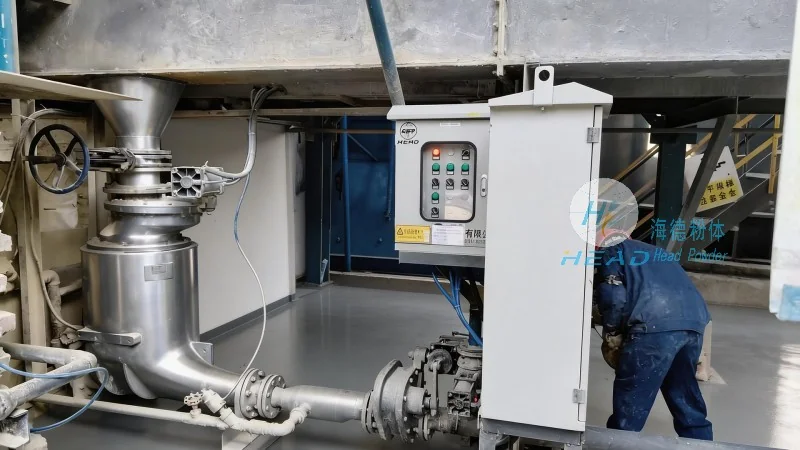
Lysine is a critical component in animal feed and pharmaceuticals, and its handling requires precise control to prevent degradation or contamination. Pneumatic conveying lines provide a closed-loop system that ensures the material is transported safely and efficiently from storage to processing units. The core of these systems lies in the use of air as the conveying medium, which moves the lysine particles through pipelines under controlled pressure and flow conditions.
The operation of a lysine pneumatic conveying line is based on the fundamental principle of air movement and particle suspension. In a typical system, the lysine material is fed into a hopper or feeder, where it is then introduced into a pipeline. Compressed air is introduced at one end of the pipeline, creating a flow that lifts and transports the lysine particles. The air velocity is carefully managed to ensure that the particles remain suspended in the air stream without settling or causing blockages. This suspension is achieved by maintaining a velocity above the material's terminal velocity, which varies based on the particle size, density, and shape of the lysine.
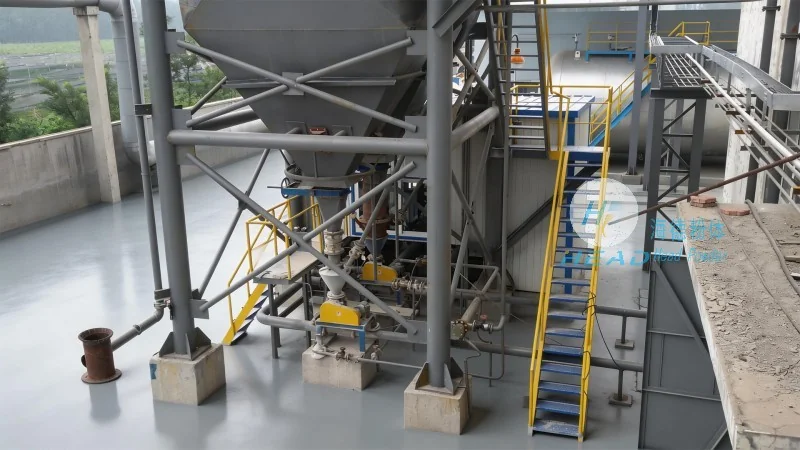
Several key components work in tandem to ensure the smooth operation of a lysine pneumatic conveying line. These include the material feeder, which controls the flow rate of lysine into the system; the air compressor, which provides the necessary pressure and volume of air; the conveying pipeline, which transports the material; and the receiver or discharge unit, where the lysine is collected. Additionally, components like cyclones, filters, and pressure regulators are often integrated to maintain system efficiency and prevent material loss or air contamination.
The working scene characteristics of lysine pneumatic conveying lines are tailored to the specific demands of lysine production facilities. These systems are commonly used in large-scale manufacturing plants where lysine is produced from fermentation processes. The closed-loop design minimizes the risk of cross-contamination and dust exposure, which is vital for maintaining product purity. The systems are also designed to handle varying particle sizes and moisture content, ensuring consistent performance even with different raw material batches.
Implementing pneumatic conveying lines in lysine processing offers several advantages. Firstly, they provide a hygienic and dust-free environment, which is essential for meeting food and pharmaceutical industry standards. Secondly, the closed system reduces material waste and improves overall efficiency by minimizing the need for manual handling. Thirdly, the flexibility of these systems allows for easy integration with existing production lines, enabling seamless material transfer between storage, processing, and packaging stages. The reliability of pneumatic conveying also contributes to reduced downtime and maintenance costs, making it a cost-effective solution for lysine manufacturers.
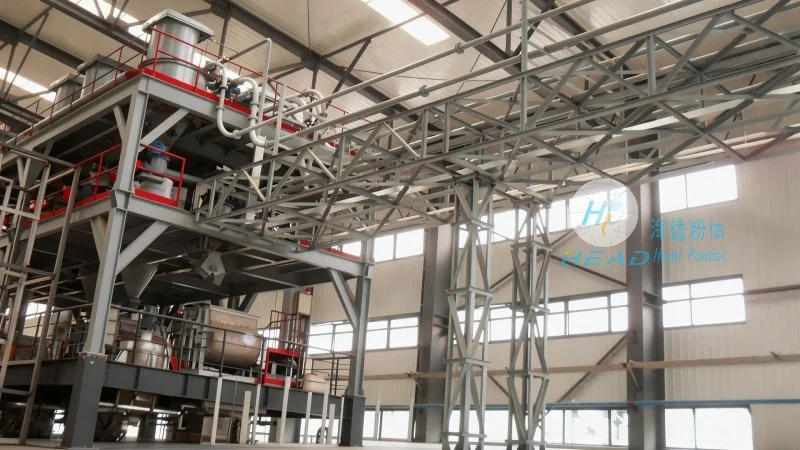
Shandong HeadPowder Engineering Co., Ltd., a leading provider of material handling solutions, has successfully implemented lysine pneumatic conveying lines in various production facilities. The company specializes in designing and manufacturing customized systems that meet the unique requirements of lysine producers. By leveraging advanced engineering and material science, HeadPowder has developed systems that optimize the transport of lysine while ensuring compliance with industry regulations. Their expertise in pneumatic conveying technology has enabled clients to enhance production efficiency and maintain product quality, contributing to the growth of the lysine industry.
In conclusion, the principle and working scene characteristics of lysine material pneumatic conveying lines are critical to the efficient operation of lysine production facilities. These systems offer a reliable, hygienic, and cost-effective method for transporting lysine, ensuring that production processes run smoothly and product quality is maintained. As the demand for lysine continues to grow, the adoption of advanced pneumatic conveying technology will remain essential for manufacturers seeking to optimize their operations and meet market demands.

 Shandong Headpowder Engineering Co., Ltd.
 156-6277-7102(Manager Zhang)
  0531-83386006
  Zhangqiu District, Jinan City, Shandong Province, China
telephone
WeChatconsult
top